Coastal Texas homeowners face relentless threats from hurricanes and tropical storms that can devastate properties within hours. Storm damage restoration for Texas homes requires significant time and expense, but strategic preparation dramatically reduces both. This guide delivers practical steps to fortify your home against storm impacts, from structural reinforcements to emergency planning. You’ll learn how to identify vulnerabilities, implement protective measures, and respond effectively when severe weather strikes your coastal community.
Table of Contents
- Key takeaways
- Understanding storm risks and your home’s vulnerabilities
- Preparing your home and property effectively
- Developing an emergency plan and supplies kit
- Post-storm verification and swift restoration steps
- Protect your coastal Texas home with expert storm damage solutions
- FAQ
Key Takeaways
| Point | Details |
|---|---|
| Advance preparation | Strategic early planning and regular maintenance reduce both storm damage and restoration time. |
| Roof defense priority | Aged shingles, loose flashing, and underlayment issues threaten interior spaces, so repairing and upgrading the roof should be prioritized. |
| Identify vulnerabilities | Regularly assess siding, windows, doors, and foundations for gaps and deterioration to target protective investments. |
| Post storm checks | Walk your property after every significant weather event to identify and repair small damages before they escalate. |
Understanding storm risks and your home’s vulnerabilities
Texas coastal regions experience hurricanes and tropical storms annually, bringing sustained winds exceeding 100 mph, torrential rainfall, and storm surge flooding. These conditions test every component of your home’s exterior envelope. Understanding which areas fail first helps you prioritize protective investments.
Your roof represents the primary defense against storm penetration. Aging shingles, loose flashing, and compromised underlayment create entry points for wind-driven rain. Once water breaches the roof deck, interior damage escalates rapidly through ceilings, walls, and insulation. Missing or damaged shingles often indicate broader structural concerns that require immediate attention.
Siding failures allow moisture infiltration that degrades wall cavities and framing over time. Vinyl siding can crack under impact or pull away in high winds if improperly fastened. Wood siding deteriorates when protective coatings wear thin. Assessing storm damage in Texas coastal homes reveals that siding breaches frequently go unnoticed until interior water stains appear.
Windows and doors face tremendous pressure differentials during storms. Single-pane windows shatter easily from flying debris. Weak door frames buckle under sustained wind loads, creating openings that pressurize interior spaces and lift roofs from underneath. Garage doors represent particularly vulnerable points, as their large surface area catches wind like a sail.
Common vulnerability indicators:
- Curling or missing roof shingles
- Cracked or loose siding panels
- Gaps around window and door frames
- Rusted or damaged flashing
- Sagging gutters or downspouts
- Cracks in exterior masonry or stucco
Pro Tip: Walk your property after every significant weather event, even minor storms. Small damage compounds quickly in coastal environments, and early repairs cost a fraction of emergency restoration.
Foundation cracks and soil erosion create pathways for flooding. Coastal properties built on sandy soils experience settling that opens gaps beneath siding and around penetrations. Trees with shallow root systems topple onto structures during sustained winds. Recognizing these patterns helps you address weaknesses systematically before hurricane season intensifies.
Preparing your home and property effectively
Physical preparation requires methodical inspection and reinforcement of every exterior component. Start at the roof and work downward, addressing deficiencies as you discover them. This systematic approach ensures nothing gets overlooked when storm warnings arrive.
Roof preparation checklist:
- Remove loose or damaged shingles and replace with matching materials
- Secure all flashing around chimneys, vents, and roof penetrations
- Clear debris from valleys and drainage channels
- Inspect attic for water stains indicating active leaks
- Verify proper ventilation to prevent moisture buildup
- Consider weather-resistant roofing upgrades for enhanced protection
Weather-resistant roofing materials designed for coastal conditions include impact-rated shingles, metal roofing systems, and reinforced underlayment. These products withstand higher wind speeds and resist moisture penetration better than standard materials. Impact-rated shingles meet UL 2218 Class 4 standards, surviving hail and debris strikes that destroy conventional shingles.
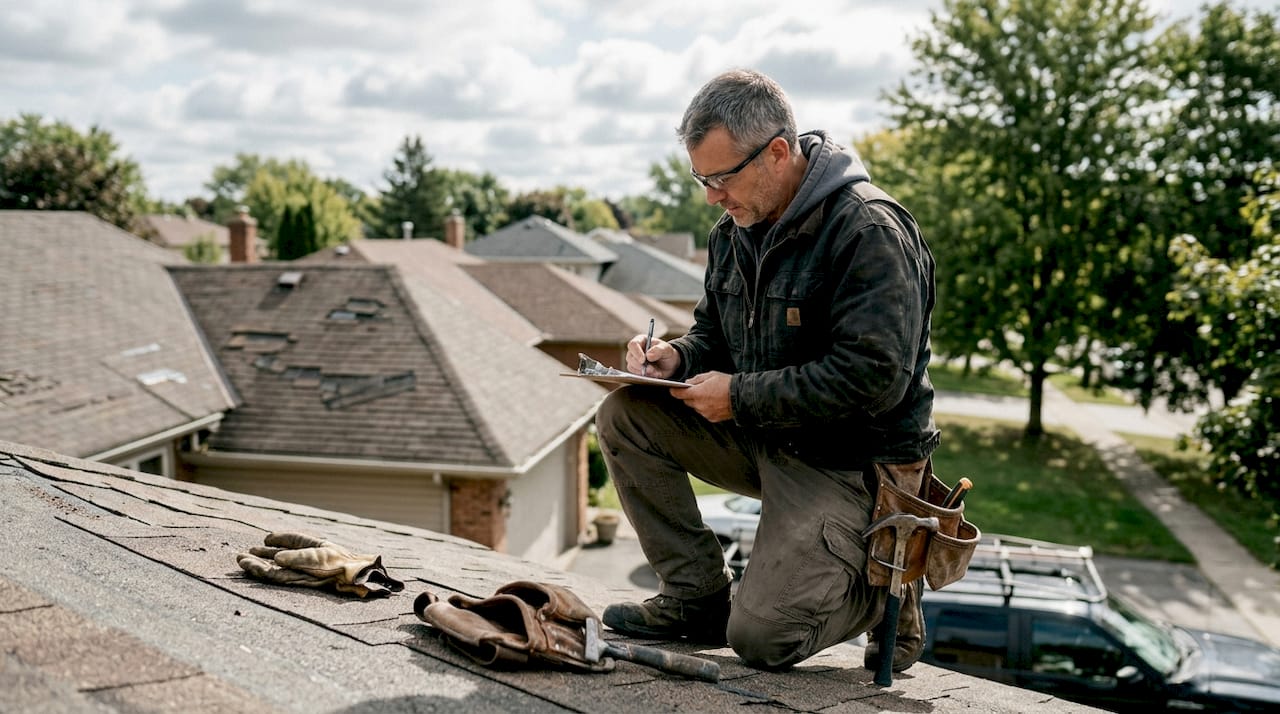
Implementing a roof maintenance workflow prevents storm damage through regular care. Schedule professional inspections twice yearly, in spring and fall, to catch developing problems. Between inspections, clear gutters monthly and trim overhanging branches that could fall during storms.
| Material type | Wind resistance | Lifespan | Coastal suitability |
|---|---|---|---|
| Asphalt shingles (standard) | 90 mph | 15-20 years | Moderate |
| Impact-rated shingles | 130 mph | 25-30 years | High |
| Metal roofing | 140 mph | 40-70 years | Excellent |
| Clay/concrete tile | 150 mph | 50+ years | Excellent |
Siding reinforcement begins with securing loose panels and replacing damaged sections. Proper siding installation for coastal Texas homes requires corrosion-resistant fasteners and proper overlap techniques that prevent wind uplift. Fiber cement siding outperforms vinyl in coastal environments, resisting salt air corrosion and impact damage.
Window and door protection involves installing storm shutters or impact-resistant glazing. Plywood panels work for temporary protection but require advance preparation and storage space. Permanent accordion shutters deploy quickly when warnings arrive. Reinforce garage doors with bracing kits that prevent buckling under wind pressure.
Outdoor preparation essentials:
- Secure or store patio furniture, grills, and decorative items
- Trim dead branches and remove diseased trees
- Clear storm drains and drainage ditches
- Anchor storage sheds and outbuildings
- Move vehicles into garages or covered areas
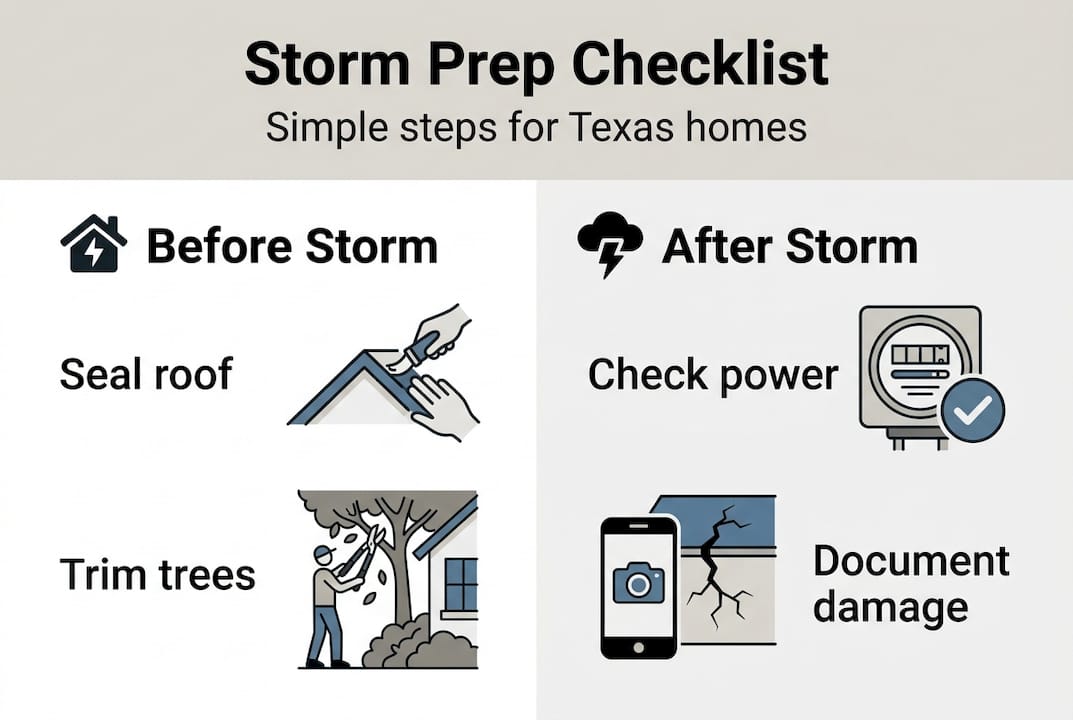
- Document property condition with photographs
Pro Tip: Schedule major maintenance and upgrades in early spring, well before hurricane season peaks. Contractors book solid once storm forecasts begin, and material availability tightens significantly during active weather periods.
Landscaping choices affect storm resilience. Native plants with deep root systems withstand high winds better than ornamental species. Maintain 10-foot clearance between trees and structures. Mulch beds properly to prevent erosion, but avoid piling mulch against siding where it traps moisture.
Developing an emergency plan and supplies kit
Family safety depends on advance planning that everyone understands and practices. Your emergency plan should address evacuation routes, communication methods, and shelter locations for various storm intensities. Review and update this plan annually, adjusting for changes in family composition or local infrastructure.
Establish primary and alternate evacuation routes that avoid flood-prone areas. Coastal highways congest quickly when evacuation orders arrive, so early departure proves critical. Identify shelter locations with friends, family, or hotels at least 100 miles inland. Pre-register with special needs shelters if family members require medical equipment or assistance.
Essential emergency supplies checklist:
- One gallon of water per person per day for three days
- Non-perishable food for 72 hours minimum
- Battery-powered weather radio and flashlights
- First aid kit with prescription medications
- Important documents in waterproof container
- Cash in small denominations
- Cell phone chargers and backup power banks
- Basic tools for emergency repairs
- Sanitation and hygiene items
Document your property thoroughly before storm season begins. Photograph every room from multiple angles, capturing furniture, electronics, and valuables. Record video walkthroughs showing structural details and exterior conditions. Store these records in cloud storage accessible from any location, as physical copies may be destroyed.
Create an inventory of valuable items including serial numbers, purchase dates, and estimated values. This documentation streamlines insurance claims significantly. Keep copies of insurance policies, mortgage documents, and identification in your evacuation kit. Having a complete storm damage restoration guide helps you navigate the recovery process systematically.
Communication planning ensures family members stay connected when cellular networks fail. Designate an out-of-state contact person everyone can reach to relay status updates. Text messages often transmit when voice calls cannot connect. Program emergency numbers into phones and write them down as backup.
Pro Tip: Rotate emergency supplies every six months, consuming and replacing food and water to maintain freshness. Check battery expiration dates and test equipment functionality. Update medication supplies before they expire, and review your plan with all family members during these checks.
Pet preparation requires advance planning. Assemble supplies including food, water, medications, and vaccination records. Most emergency shelters prohibit animals, so research pet-friendly hotels along evacuation routes. Microchip pets and ensure collar tags remain current with contact information.
Special considerations for elderly family members or those with disabilities include mobility equipment, medical supplies, and backup power for essential devices. Register with local emergency management for assistance during evacuations. Keep detailed lists of medications, dosages, and prescribing physicians readily accessible.
Post-storm verification and swift restoration steps
Safety takes absolute priority when returning to your property after storms pass. Downed power lines, structural instability, and contaminated floodwater create serious hazards. Wait for official clearance before entering affected areas, and approach your home cautiously even after authorities declare conditions safe.
Initial exterior inspection should occur from a safe distance. Look for obvious damage like missing roof sections, collapsed walls, or leaning structures. Check for gas leaks by smell, and avoid using electrical switches or appliances until professionals verify system integrity. Understanding what to do after storm damage prevents injuries and additional property harm.
Safety priorities during initial assessment:
- Stay away from downed power lines
- Avoid standing water that may be electrically charged
- Wear protective clothing, gloves, and sturdy boots
- Use flashlights instead of candles or flames
- Document everything with photographs before cleanup
- Contact utility companies to restore services safely
| Assessment approach | Advantages | Limitations |
|---|---|---|
| DIY inspection | Immediate visibility of obvious damage; No scheduling delays | Misses hidden structural issues; Safety risks; Insurance may question findings |
| Professional inspection | Comprehensive damage assessment; Expert documentation; Insurance credibility | Scheduling delays; Upfront costs; Requires contractor availability |
Professional inspections provide thorough evaluations that identify hidden damage invisible to untrained eyes. Structural engineers assess foundation integrity and framing stability. Roofing specialists check for compromised decking and moisture intrusion. Professional roof storm damage assessment catches problems before they escalate into major failures.
Documentation quality directly impacts insurance claim outcomes. Photograph damage from multiple angles with clear lighting. Include wide shots showing context and close-ups revealing specific defects. Date-stamp images and create written descriptions of each damaged area. Video documentation captures details that still images miss.
Contact your insurance company within 24 hours of discovering damage. Provide preliminary damage estimates and documentation. Ask about emergency repair coverage and approved contractor lists. Keep detailed records of all conversations including representative names, dates, and claim numbers.
Choosing restoration contractors requires careful vetting. Verify licensing, insurance coverage, and local references. Avoid door-to-door solicitors who appear immediately after storms, as many are unlicensed operators seeking quick profits. Established local companies have reputations to protect and stand behind their work long-term.
Request detailed written estimates from multiple contractors before committing. Compare scope of work, materials specified, and warranty terms. Be wary of significantly low bids that may indicate substandard materials or incomplete repairs. Quality storm damage restoration costs more initially but prevents recurring problems.
Contractor selection criteria:
- Valid Texas contractor license and insurance
- Established local presence and verifiable references
- Detailed written estimates with material specifications
- Clear warranty terms for labor and materials
- Transparent communication and realistic timelines
- No pressure for immediate deposits or decisions
Emergency repairs prevent additional damage while you wait for full restoration. Tarping damaged roofs, boarding broken windows, and extracting standing water minimize losses. Document these temporary measures thoroughly, as insurance typically covers reasonable emergency expenses. Save all receipts for materials and labor.
Protect your coastal Texas home with expert storm damage solutions
Coastal Texas homeowners need specialized expertise that understands regional storm patterns and construction challenges unique to Gulf Coast properties. Generic contractors lack the experience necessary to deliver lasting protection against hurricane-force conditions. Buffalo Roofing & Exteriors brings decades of coastal restoration experience to every project, from preventive upgrades to complete post-storm rebuilding.
Our comprehensive storm damage restoration services address every aspect of property protection and recovery. We implement weather-resistant roofing systems engineered for coastal wind loads and salt air exposure. Our exterior solutions include impact-resistant siding, reinforced window installations, and drainage improvements that channel water away from foundations. We work directly with insurance companies to streamline claims and ensure you receive fair compensation for covered damages. Contact our team today for a free property assessment and personalized storm preparation plan that protects your investment for decades to come.
FAQ
How often should I inspect my home for storm damage risks?
Schedule professional inspections at least twice yearly, ideally in early spring and late fall before and after peak storm season. Additionally, conduct your own visual checks after any significant weather event, even if no obvious damage appears. Early detection through regular roof maintenance workflows prevents minor issues from becoming expensive emergencies.
What are the essential items for a storm emergency kit?
Your kit must include one gallon of water per person daily for three days, non-perishable food, battery-powered weather radio, flashlights with extra batteries, first aid supplies, prescription medications, and important documents in waterproof containers. Add basic tools for emergency repairs, cash, phone chargers, and sanitation items. Review your complete storm preparation guide for detailed checklists.
How soon should I contact professionals after storm damage?
Reach out to qualified contractors within 24 to 48 hours after it becomes safe to assess your property. Quick professional response limits secondary damage from water intrusion and structural exposure. Early documentation also accelerates insurance claims processing. Learn immediate post-storm actions to protect your property and streamline recovery.
Does homeowners insurance cover all storm damage repairs?
Coverage depends on your specific policy terms, deductibles, and the damage cause. Most policies cover wind and hail damage but may exclude flooding, requiring separate flood insurance. Review your policy annually and document your property condition before storms arrive. Prompt professional assessment and thorough documentation significantly improve claim outcomes and reimbursement amounts.
What roofing materials work best for coastal Texas storms?
Impact-rated asphalt shingles, metal roofing, and concrete tiles offer superior storm resistance compared to standard materials. Metal roofing withstands winds exceeding 140 mph and resists corrosion from salt air. Impact-rated shingles meet Class 4 standards for hail and debris resistance. Choose materials appropriate for your budget and home style while prioritizing proven coastal performance.