

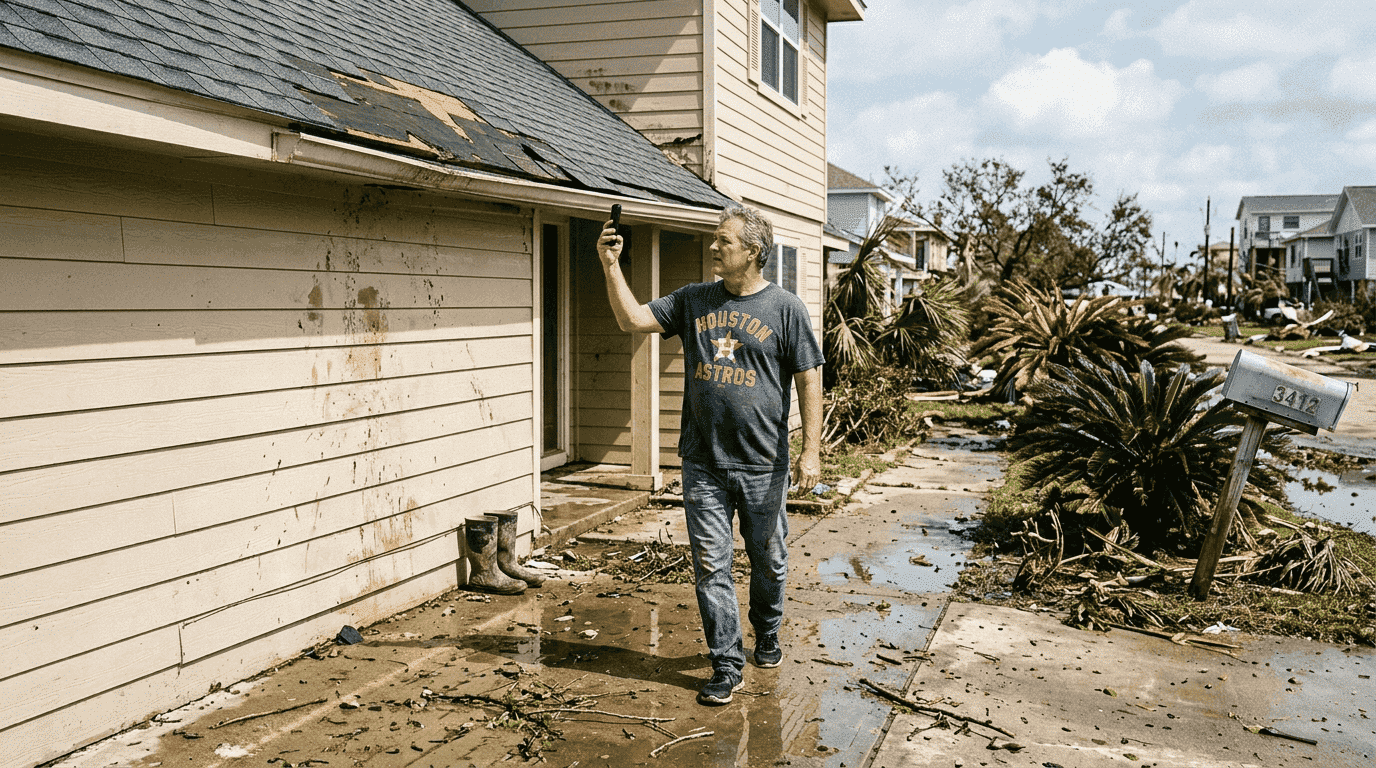
After a major storm hits the Texas coast, accurately assessing the damage to your home can feel overwhelming. Between safety hazards, insurance deadlines, and the sheer scope of potential destruction, many homeowners don’t know where to start. This guide walks you through the entire process: from preparation and safe inspection to documentation, insurance claims, and effective restoration strategies that protect your investment.
Table of Contents
- Understanding Storm Damage And Preparation For Assessment
- Step By Step Guide To Inspecting And Documenting Storm Damage Safely
- Navigating Texas Insurance Claims And Inspection Requirements After Storm Damage
- Effective Storm Damage Repair And Restoration Strategies For Texas Coastal Homes
- Get Expert Storm Damage Assessment And Restoration Help
- Frequently Asked Questions
Key takeaways
| Point | Details |
|---|---|
| Safety comes first | Wait for official clearance before entering your home and watch for hazards like downed power lines, gas leaks, and structural instability. |
| Document thoroughly | Take clear photos from multiple angles, record measurements, and keep detailed notes with timestamps to strengthen your insurance claim. |
| Know Texas insurance rules | Texas insurers must respond within 15 days and most policies cover wind and hail but require separate flood coverage. |
| Professional help pays off | Licensed contractors and inspectors improve claim outcomes and ensure repairs meet local codes and safety standards. |
| Act quickly | Prompt reporting prevents secondary damage, meets insurance deadlines, and speeds up the restoration process. |
Understanding storm damage and preparation for assessment
Texas coastal homes face multiple types of storm damage during hurricane season and severe weather events. Wind damage tears off shingles, rips siding, and topples trees onto structures. Hail creates dents in roofs, gutters, and vehicles while cracking windows and skylights. Water intrusion from driving rain or storm surge leads to interior flooding, ceiling stains, and potential mold growth. Structural damage ranges from cracked foundations to compromised load bearing walls.
Before you start inspecting, prioritize safety. Storms leave behind serious hazards including downed power lines, natural gas leaks, and weakened structures that could collapse. Never enter your home until local authorities declare it safe. Even after clearance, wear protective gear including sturdy boots, gloves, and a hard hat if possible.
Gather your assessment toolkit before beginning. You’ll need a camera or smartphone for photos, a notebook for detailed notes, a measuring tape, and your insurance policy documents. Bring a flashlight for dark areas and consider protective eyewear if debris is present. Having this equipment ready streamlines the documentation process and ensures you capture everything needed for your claim.
Standard homeowners policies cover wind and hail damage but flood damage typically requires separate coverage. Understanding what your policy includes helps you know which damages to document most carefully. Check whether you have windstorm insurance through the Texas Windstorm Insurance Association if you live in designated coastal counties.
Pro Tip: Document weather conditions immediately after the storm by taking timestamped photos of the sky, nearby damage, and local news reports. This evidence establishes the timing and severity of the event for insurance purposes.
Key preparatory steps include:
- Confirm your home is structurally safe to enter
- Locate your insurance policy and contact information
- Charge your phone and camera for documentation
- Wear appropriate protective clothing and footwear
- Alert family members of your inspection plans
For detailed guidance on recognizing different types of storm damage, review our comprehensive storm damage identification resource.
Step by step guide to inspecting and documenting storm damage safely
Start with a complete perimeter walkaround before entering your home. Examine your roof from ground level using binoculars if available, looking for missing or damaged shingles, lifted flashing, and visible holes. Check siding for cracks, dents, or sections blown off entirely. Inspect gutters and downspouts for separation from the roofline or significant denting. Survey fences, sheds, and other outbuildings for structural damage. Note any fallen trees or large branches that contacted your home.
Photograph everything you find. Take multiple shots of each damaged area from different angles and distances. Include wide shots showing the overall damage and close ups revealing specific problems. Place a ruler, coin, or common object next to smaller damage for scale reference. These photos become critical evidence for your insurance claim and contractor estimates.
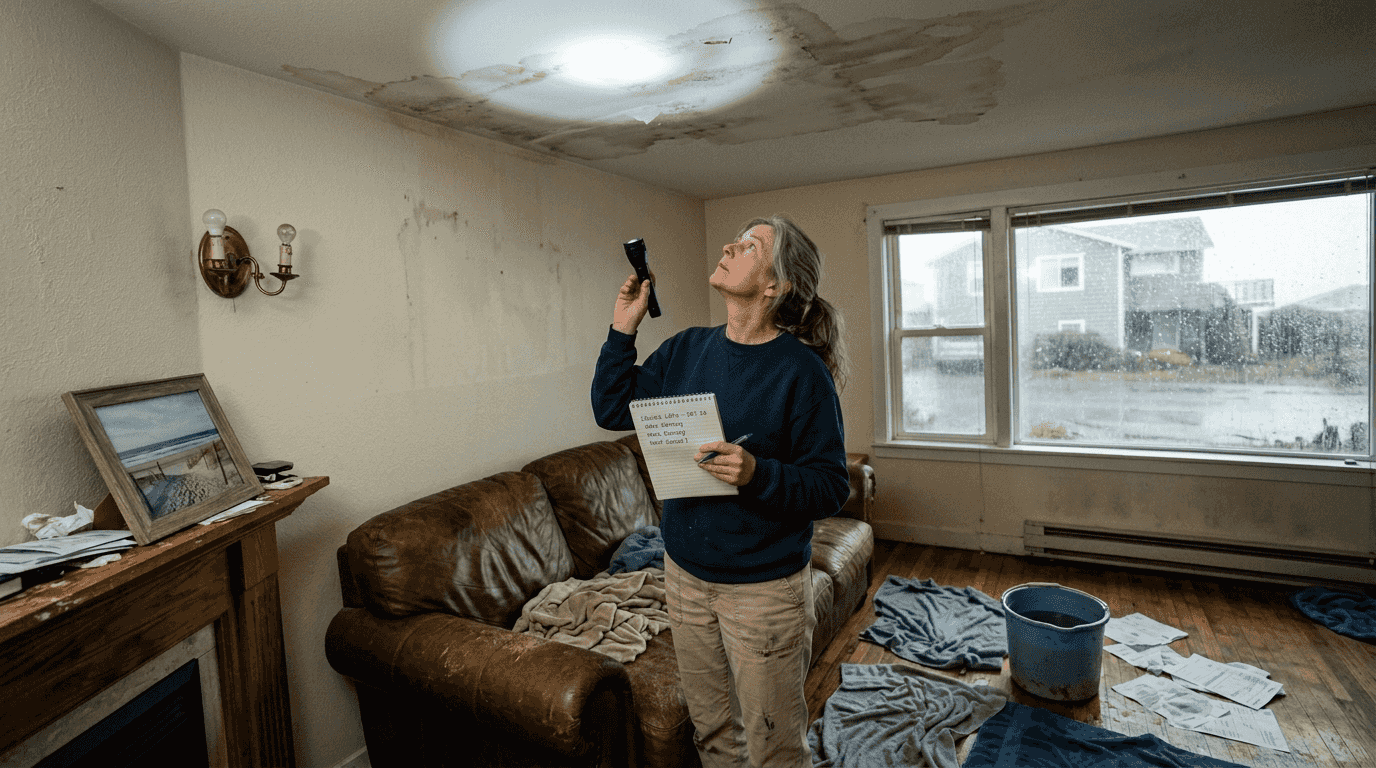
Move to interior inspection once the exterior is documented. Look for water stains on ceilings and walls, especially near windows, doors, and roof penetrations. Check for new cracks in walls or ceilings that might indicate structural movement. Open cabinets and closets to find hidden water damage. Test light switches carefully and note any electrical issues, but don’t use outlets or fixtures that got wet. Document any standing water, carpet damage, or belongings affected by the storm.
For roof damage assessment, accurate measurement is essential for insurance claims and repair estimates. Never climb onto your roof yourself. The risk of falls and additional damage to weakened structures isn’t worth it. Instead, hire professional inspectors who use drones or specialized equipment to safely assess and measure roof damage. This approach provides precise data while keeping you safe.
Pro Tip: Create a simple sketch or floor plan marking where you found each type of damage. This map helps insurance adjusters and contractors understand the full scope of problems during their visits.
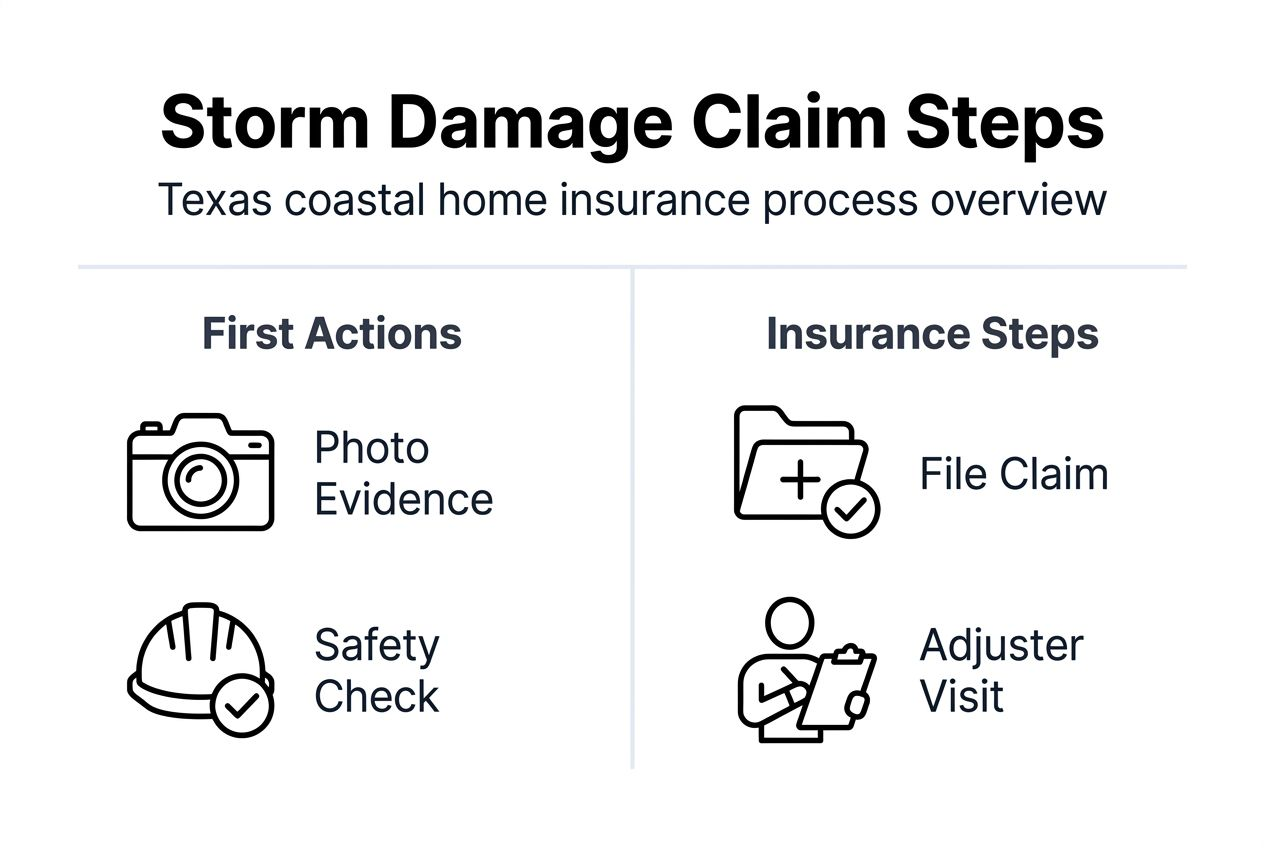
Follow these numbered steps for thorough documentation:
- Conduct exterior walkaround noting all visible damage to roof, siding, windows, and structures
- Photograph every damaged area with multiple angles and scale references included
- Inspect interior spaces systematically, room by room, documenting water damage and structural issues
- Record measurements and specific details like the number of missing shingles or size of damaged areas
- Write detailed notes including time, date, and weather conditions when damage occurred
- Compile all photos and notes into organized folders labeled by location and damage type
Essential safety precautions during your inspection:
- Avoid standing water that may be electrically charged
- Don’t enter rooms with sagging ceilings or visible structural damage
- Watch for exposed nails, broken glass, and sharp metal edges
- Use adequate lighting and never inspect alone
- Stop immediately if you smell gas or see sparking electrical components
Strong documentation with clear photos forms the foundation of successful insurance claims. The more thorough your initial assessment, the smoother your claim process will be. For additional safety focused assessment strategies, explore our roof storm damage assessment tips.
Navigating Texas insurance claims and inspection requirements after storm damage
Texas homeowners insurance typically covers wind and hail damage under standard policies, but understanding the specific requirements and timelines is crucial for successful claims. Coastal homeowners often need windstorm insurance through the Texas Windstorm Insurance Association, especially in designated seacoast territories. Flood damage almost always requires separate National Flood Insurance Program coverage since standard policies exclude it.
The Texas Windstorm Inspection Program serves coastal counties by certifying that homes meet specific construction standards for wind resistance. If you live in participating counties, you need a WPI-8 certificate to qualify for windstorm insurance coverage. Windstorm inspections verify that your home’s roof, windows, doors, and exterior meet code requirements designed to withstand high winds. Without this certificate, obtaining windstorm coverage becomes difficult or impossible in vulnerable coastal areas.
| Coverage Type | What’s Covered | What’s Excluded | Key Requirements |
|---|---|---|---|
| Standard Homeowners | Wind and hail damage, structure, personal property | Flood, earth movement, maintenance issues | Policy in force, timely reporting |
| TWIA Windstorm | Wind damage in coastal counties | Flood, contents (optional add on), vehicles | WPI-8 certificate, designated territory |
| Flood Insurance | Rising water, storm surge, mudflow | Wind damage, sewer backup, exterior property | Separate NFIP policy, 30 day waiting period |
Texas law provides specific protections for policyholders. Insurers must acknowledge claims within 15 calendar days and approve or deny within 15 business days after receiving all required documentation. These tight deadlines protect homeowners from excessive delays but also mean you must submit complete, accurate documentation promptly.
Follow these essential claim filing steps:
- Report damage to your insurance company immediately, ideally within 24 to 48 hours of the storm
- Document all damage thoroughly before making temporary repairs to prevent further loss
- Keep receipts for emergency repairs, temporary housing, and storm related expenses
- Understand your deductible structure, as many Texas coastal policies use percentage based deductibles for wind and hail
- Respond quickly to adjuster requests and schedule inspections as soon as possible
- Review settlement offers carefully before accepting, ensuring all damage is included
Common pitfalls to avoid:
- Signing contracts with unfamiliar contractors before your insurance inspection
- Accepting the first settlement offer without verifying it covers all necessary repairs
- Discarding damaged materials before your adjuster documents them
- Missing policy deadlines for reporting or filing claims
- Making permanent repairs before documentation is complete
For guidance specific to roofing claims and timing considerations, read our detailed guide on Texas roof insurance claims. Understanding these Texas specific requirements protects your coverage and maximizes your claim outcome.
Effective storm damage repair and restoration strategies for Texas coastal homes
Once your insurance claim is approved and damage fully assessed, choosing the right repair approach determines how quickly and effectively you restore your home. Both DIY repairs and professional restoration have roles, but understanding when to use each approach prevents costly mistakes.
| Approach | Pros | Cons | Best For |
|---|---|---|---|
| DIY Repairs | Lower upfront cost, complete control over timeline | Safety risks, potential code violations, may void warranties, insurance complications | Minor cosmetic damage, temporary fixes, simple tasks |
| Professional Restoration | Licensed expertise, insurance compatibility, warranty protection, faster completion | Higher cost, scheduling dependent | Structural repairs, roofing, major water damage, insurance claims |
Focus your restoration efforts on these critical areas:
- Roof repairs including shingle replacement, flashing repair, and structural fixes to prevent water intrusion
- Siding and window replacement where storm damage compromised your home’s envelope
- Water damage remediation addressing moisture, mold, and interior damage from leaks or flooding
- Structural repairs restoring load bearing elements, foundations, and framing to safe conditions
Pro Tip: Choosing licensed contractors with specific experience in Texas coastal storm damage improves both insurance claim success and repair quality. These professionals understand local building codes, insurance requirements, and construction techniques that withstand future storms.
Professional restoration partnerships help homeowners receive higher insurance payouts and avoid disputes with insurers. Experienced contractors document damage in ways adjusters recognize, provide detailed estimates that match insurance formats, and complete work that meets or exceeds code requirements.
Ensure repairs comply with regulations and insurance requirements:
- Verify contractors hold current Texas licenses and insurance coverage
- Obtain required building permits before starting major repairs
- Request detailed written contracts specifying materials, timelines, and payment schedules
- Confirm work meets current building codes, not just standards from when your home was built
- Keep all receipts, contracts, and completion certificates for insurance records
Timely restoration prevents secondary damages that policies may not cover. Water damage leads to mold growth within 24 to 48 hours. Exposed interiors suffer additional weather damage during subsequent rain events. Delayed repairs often cost significantly more than addressing problems immediately. For comprehensive restoration guidance, explore our storm damage restoration guide and review our storm damage repair tips.
Get expert storm damage assessment and restoration help
Assessing storm damage correctly requires expertise that goes beyond what most homeowners possess. Buffalo Roofing & Exteriors specializes in helping Texas coastal homeowners navigate the entire process from initial damage assessment through complete restoration. Our team understands the unique challenges coastal properties face and the specific insurance requirements Texas policies demand.
We provide professional roofing inspections using advanced measurement technology and documentation methods that insurance companies recognize and trust. Our experience with Texas coastal storms means we know exactly what to look for and how to present findings that maximize your claim outcome. From emergency repairs that prevent further damage to complete roof replacements and exterior restoration, we handle projects of any size with the quality and reliability you need.
Contacting professionals early in the process leads to faster insurance approvals and higher quality repairs that protect your investment for years to come. We work directly with insurance adjusters, handle code compliance requirements, and ensure every repair meets the demanding standards coastal homes require. Explore our storm damage restoration guide for detailed information, review our specialized Texas storm damage restoration services, and learn about durable roof materials that withstand future storms.
Frequently asked questions
How soon should I report storm damage to my insurance in Texas?
Report storm damage to your insurance company within 24 to 48 hours whenever possible. Texas insurers must acknowledge claims within 15 calendar days and make approval decisions within 15 business days after receiving complete documentation. Prompt reporting protects your coverage, prevents disputes about when damage occurred, and starts the claims process faster. Learn more about optimal timing in our guide on why filing roofing claims promptly matters.
What safety precautions should I take before assessing storm damage?
Wait for official clearance from local authorities before entering your home after a major storm. Storms leave hazards including downed power lines, natural gas leaks, and structurally unstable walls or ceilings. Once cleared to enter, wear protective gear including sturdy boots, gloves, and hard hats. Avoid standing water that may be electrically charged and never climb on damaged roofs yourself.
Do I need separate insurance for wind, hail, and flood damage in Texas?
Most standard homeowners policies cover wind and hail damage but exclude flood coverage. Coastal homeowners in designated Texas counties often need separate windstorm insurance through TWIA. Flood insurance requires a distinct policy, typically through the National Flood Insurance Program, and includes a 30 day waiting period before coverage begins. Review your policies carefully to understand exactly what’s covered.
What documentation do I need for a successful insurance claim?
Successful claims require comprehensive documentation including clear photos of all damage from multiple angles with scale references. Strong documentation with detailed notes accelerates the claims process and prevents disputes. Include written descriptions with timestamps, measurements of damaged areas, receipts for emergency repairs, and records of weather conditions when damage occurred. Our storm damage identification guide provides detailed documentation strategies.
Recommended
- Storm Damage Repair: Protecting Coastal Texas Homes
- Storm Damage Restoration – Protecting Texas Homes Fast
- Assess Roof Storm Damage: 45% Safety Risk, 70% Accuracy Boost
- Impact-resistant upgrades reduce coastal damage by 70%
- Guía para identificar y prevenir humedades en edificaciones
- Roofing Company Corpus Christi TX