


TL;DR:
- A well-maintained deck enhances curb appeal and can significantly increase home value, especially if it aligns with neighborhood norms.
- Decks built with wood typically yield higher ROI, but composite materials offer better long-term maintenance and appearance retention.
Most homeowners think of a deck as a backyard feature. Something for cookouts and summer evenings. But the role of decks in curb appeal is far more significant than that framing suggests, and many sellers find out the hard way when a neglected or poorly designed deck quietly chips away at their listing price. This guide covers what 2026 ROI data actually says about deck value, which design decisions move the needle most, and how to maintain what you build so it works for you at resale time.
Table of Contents
- Key takeaways
- How decks work as curb appeal assets
- The financial impact: ROI and home value
- Design factors that maximize curb appeal impact
- Maintenance and upkeep for lasting appeal
- Practical steps to leverage decks for curb appeal
- My take on decks as a curb appeal asset
- Upgrade your exterior with Buffaloroofingandexteriors
- FAQ
Key takeaways
| Point | Details |
|---|---|
| Decks shape first impressions | Front-facing deck features like railings and stairs are among the first things buyers and appraisers notice. |
| Wood decks lead on ROI | Wood decks average 82 to 83% ROI versus 60 to 65% for composite, though composite costs less over time to maintain. |
| Maintenance protects your investment | Deferred upkeep invites buyer negotiation and visibly lowers curb appeal before a listing even goes live. |
| Size should match the neighborhood | Oversized or over-featured decks relative to nearby homes rarely return their full cost at resale. |
| Design details carry the most weight | Railing style, color consistency, and finish condition influence appraisal perception more than raw square footage. |
How decks work as curb appeal assets
Curb appeal is, at its core, about the story your home tells from the street in the first three seconds. A well-built deck speaks clearly: this home has space, this home is lived in well, this home is ready for someone new. That is not a small thing when a buyer is doing a drive-by before committing to a showing.
The outdoor deck design benefits are not just about square footage. Decks create a visible transition between the built structure and the landscape around it. They frame the home. When a deck integrates cleanly with an entryway or front yard, it makes the property feel intentional and finished in a way that bare landscaping alone cannot achieve. Front yard deck features that support everyday life, including seating areas near the entry and extended porch platforms, have become a growing trend in curb appeal design precisely because they signal livability.
From a functional standpoint, decks add perceived square footage without the cost of a room addition. That matters to buyers who prioritize outdoor living. Since 2020, outdoor living spaces have become one of the most coveted property features, with decks sitting at the accessible end of the investment spectrum compared to screened rooms or outdoor kitchens.
Here is what specifically catches attention from the street:
- Railing condition and style. Sagging, rotted, or mismatched railings undercut everything else immediately.
- Color and finish uniformity. A deck with patchy stain or faded boards signals neglect even on a house that looks sharp elsewhere.
- Stair integration. Steps that lead cleanly from the entry or yard create a sense of purposeful design.
- Scale relative to the home. A deck that is proportionate to the house reads as planned. One that overwhelms or barely exists reads as an afterthought.
Pro Tip: If your deck is visible from the street, treat its face boards, railings, and stair risers as part of your home’s exterior paint scheme. Matching or deliberately complementing your siding color makes the whole front elevation read as designed rather than assembled.
The financial impact: ROI and home value
Here is where the data gets specific and worth reading carefully before you commit to any build or renovation.
| Deck type | Average ROI | Typical installed cost |
|---|---|---|
| Wood (pressure-treated) | 82 to 83% | $16,000 to $22,000 |
| Composite | 60 to 65% | $22,000 to $28,000 |
| Basic wood addition | Up to 95% | Starting around $4,000 |
A basic wood deck can return close to 95% of its cost at resale, which puts it in rare company among home improvement projects. For context, most kitchen remodels return 60 to 70%. Deck additions at the simpler end of the cost range punch well above their weight when it comes to perceived value.
That said, wood versus composite ROI comparison reveals a nuance worth understanding. Composite materials cost more upfront and return a lower percentage, but their long-term maintenance savings and appearance retention often justify the premium for homeowners planning to stay five or more years before selling. For investors flipping within two years, pressure-treated wood typically produces the better short-term return.
One risk that does not get discussed enough: over-building. Matching deck size to neighborhood norms is critical. A $35,000 composite deck on a $180,000 home in a modest neighborhood will not return its cost. Appraisers and buyers calibrate their perception against surrounding properties. Build what the neighborhood supports, not what a design catalog makes look appealing.
A deck addition in the $4,000 to $20,000 installed range covers most residential use cases and keeps the investment proportionate. Going beyond that requires real clarity on what the local market will bear.
Design factors that maximize curb appeal impact
Material choice and structural quality aside, the design decisions that most affect how a deck reads from the street tend to be the details people overlook when budgeting.
Vinyl or aluminum railings can transform the presence of a front-facing deck instantly. The rail profile, the color contrast against the deck surface, and the line weight all communicate quality before anyone sets foot on the deck. Thick, evenly spaced balusters in a color that ties back to the home’s trim create a look that feels designed. Thin, rust-stained metal or splitting wood balusters do the opposite.
A few design principles worth committing to before you build or renovate:
- Match materials to the home’s architectural style. A craftsman bungalow calls for natural wood tones and clean horizontal lines. A modern home might suit composite decking in gray with cable railings.
- Integrate with the entryway. Decks that frame or lead to the front door perform better visually than ones that feel tacked onto the side of the house.
- Use color to unify, not contrast. Decks that share tones with the siding, trim, or shutters look planned. Bright contrasts can work but require deliberate execution.
- Consider the front yard social angle. Modern curb appeal trends favor front-facing spaces that invite interaction. A small seating area visible from the street signals warmth and community in a way that backyard decks simply cannot.
Pro Tip: Before finalizing any deck design, photograph your home from the street and sketch the deck outline over the image. This quick exercise reveals proportion problems and color mismatches that are much harder to fix after the concrete footings are poured.
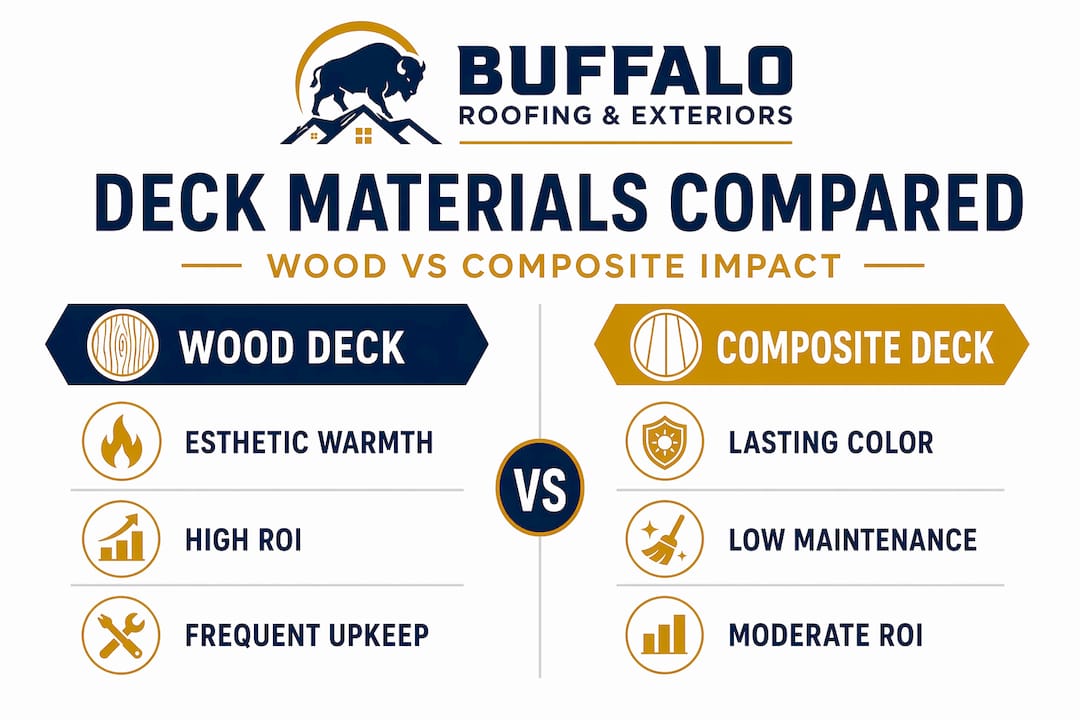
When choosing between wood and composite, the importance of decks in home aesthetics comes down to what you want the home to project. Wood feels warm and traditional. Composite offers a more consistent, polished surface that holds color longer. Both work. Both can hurt you if the execution is poor.
Maintenance and upkeep for lasting appeal
A deck that looked great three years ago and has been ignored since can actively hurt your home’s perceived value. This is not a subtle effect. Buyers and appraisers notice deck condition during drive-by assessments before they ever step inside. Peeling stain, graying wood, and soft boards are red flags that signal deferred maintenance throughout the property, not just on the deck.
Here is a practical annual maintenance schedule for wood decks:
- Clean in early spring. Use a deck cleaner and a pressure washer on a low setting to remove mildew, dirt, and oxidation from the previous season.
- Inspect for soft spots and loose fasteners. Walk the entire surface and probe suspicious areas with a screwdriver. Address rot immediately before it spreads.
- Reseal or restain every one to two years. A fresh coat of penetrating sealant is the single most effective step for maintaining appearance and protecting the wood.
- Check railings and stairs for structural integrity. Wobbling rails or cracked stair stringers are both safety issues and negotiating liabilities in a sale.
- Clear debris from between boards. Trapped leaves and moisture accelerate rot from below. This takes ten minutes and extends deck life significantly.
Deferred maintenance is one of the clearest paths to buyer negotiation. A home listed with a visibly worn deck often sees offers that account for the perceived cost of replacement, sometimes at a value exceeding the actual repair cost. That gap is pure lost equity.
For homeowners who want lower maintenance requirements going forward, composite decking is worth the higher upfront cost. Its finish holds color and resists moisture far better than pressure-treated wood, which matters especially in coastal Texas climates where humidity and salt air accelerate deterioration.

You can also reference a solid outdoor cleaning checklist to keep the full exterior, not just the deck, looking sharp year-round.
Practical steps to leverage decks for curb appeal
If you are starting from scratch or planning a significant renovation, the following framework will help you spend wisely and avoid the most common mistakes:
- Audit comparable properties first. Drive your neighborhood and note what deck styles, sizes, and materials appear most often. That gives you a baseline that the market already accepts and values.
- Align the deck design with your home’s style. A deck that looks borrowed from a different architectural era creates visual dissonance that buyers feel even if they cannot articulate it.
- Stay within the proportional investment range. Spend no more than 10 to 15% of your home’s current market value on a deck addition if you expect full ROI at resale.
- Bundle with broader exterior upgrades when possible. A new deck paired with fresh siding or updated trim creates a cohesive improvement story. Exterior upgrades in coastal Texas compound in value when planned together rather than executed piecemeal.
- Plan for maintenance before you build. The material choice you make at installation determines your ongoing maintenance burden. Make that decision deliberately, not by default.
The best backyard upgrades in 2026 pair usability with visual appeal. A deck that serves real daily life and photographs well is worth far more than one that maximizes square footage without considering how it actually gets used.
My take on decks as a curb appeal asset
I have reviewed and worked alongside enough exterior renovation projects to say this plainly: decks are the most underestimated exterior feature in residential real estate. Homeowners obsess over kitchen countertops and paint colors, but a deck that greets buyers from the street shapes the emotional context for everything they see after.
What I have learned is that the negotiation damage from a neglected deck almost always exceeds what the repair would have cost. A $600 reseal and a $200 railing repair frequently prevent a $4,000 to $6,000 buyer credit request. That math is not close.
My honest opinion on the wood versus composite debate: if you are building in a humid coastal climate and plan to stay in the home for more than four years, go composite. The appearance retention alone justifies the cost difference. Quality decks with fresh finishes give buyers the strongest confidence signal, and composite holds that fresh look without annual resealing.
Treat your deck as an exterior feature with equal standing to your siding and roofline. Not an add-on. Not an optional extra. A deck done right is one of the few improvements where buyers can see the value immediately, from the street, before they read a single line of the listing description.
— Buffaloroofingandexteriors
Upgrade your exterior with Buffaloroofingandexteriors
If you are ready to take the exterior of your home beyond basic maintenance, Buffaloroofingandexteriors works with homeowners and property investors across Corpus Christi, San Antonio, and Victoria to plan and execute exterior renovations that deliver real results. From deck installations to full siding replacements and entryway upgrades, the team brings local knowledge of coastal Texas conditions that national contractors simply do not have.

Explore what a professionally planned exterior renovation can do for your property value and street presence. Free estimates are available, and the team can assess your current exterior for the highest-impact improvements relative to your budget. See exterior renovation examples from Texas homes similar to yours before you commit to a plan.
FAQ
How much does a deck improve curb appeal?
A well-maintained deck creates a strong first impression by adding visible outdoor living space and framing the home’s exterior. Drive-by buyers rely heavily on deck condition and design as move-in readiness cues.
What is the ROI on adding a deck in 2026?
Wood decks average 82 to 95% ROI depending on complexity, while composite decks return 60 to 65%. A basic wood deck addition starting around $4,000 to $5,000 offers some of the strongest returns in home improvement.
Does deck maintenance really affect home value?
Yes. Deferred deck maintenance is one of the most common triggers for buyer negotiation credits, often exceeding the actual repair cost. Annual cleaning, resealing, and railing checks protect both appearance and resale value.
Which deck material is better for curb appeal: wood or composite?
Both materials can perform well visually, but composite holds its color and finish longer with less upkeep. Composite decking is particularly advantageous in humid or coastal climates where wood deteriorates faster.
Should a deck match the home’s exterior style?
Yes. Decks that align with the home’s architectural style and color palette read as intentional and designed. A mismatch in material, color, or scale creates visual dissonance that buyers notice even during a casual drive-by.
Recommended
- Covered Deck vs. Open Deck, Decide Which Is Right for You? | Buffalo Roofing & Exteriors | San Antonio to Corpus Christi, TX
- Deck Building | Buffalo Roofing & Exteriors | San Antonio to Corpus Christi, TX
- Building a Deck That Can Handle Coastal Weather | Buffalo Roofing & Exteriors | San Antonio to Corpus Christi, TX
- The Life Expectancy of a Deck—And When to Replace It | Buffalo Roofing & Exteriors | San Antonio to Corpus Christi, TX