TL;DR:
- Storm-resistant exteriors like fiber cement siding and impact-rated roofing are essential for Texas coast homes.
- Upgrading roofs to FORTIFIED standards can reduce storm damage claims by over 70 percent.
- Regular inspections and documentation are vital to maintain insurance eligibility and storm preparedness.
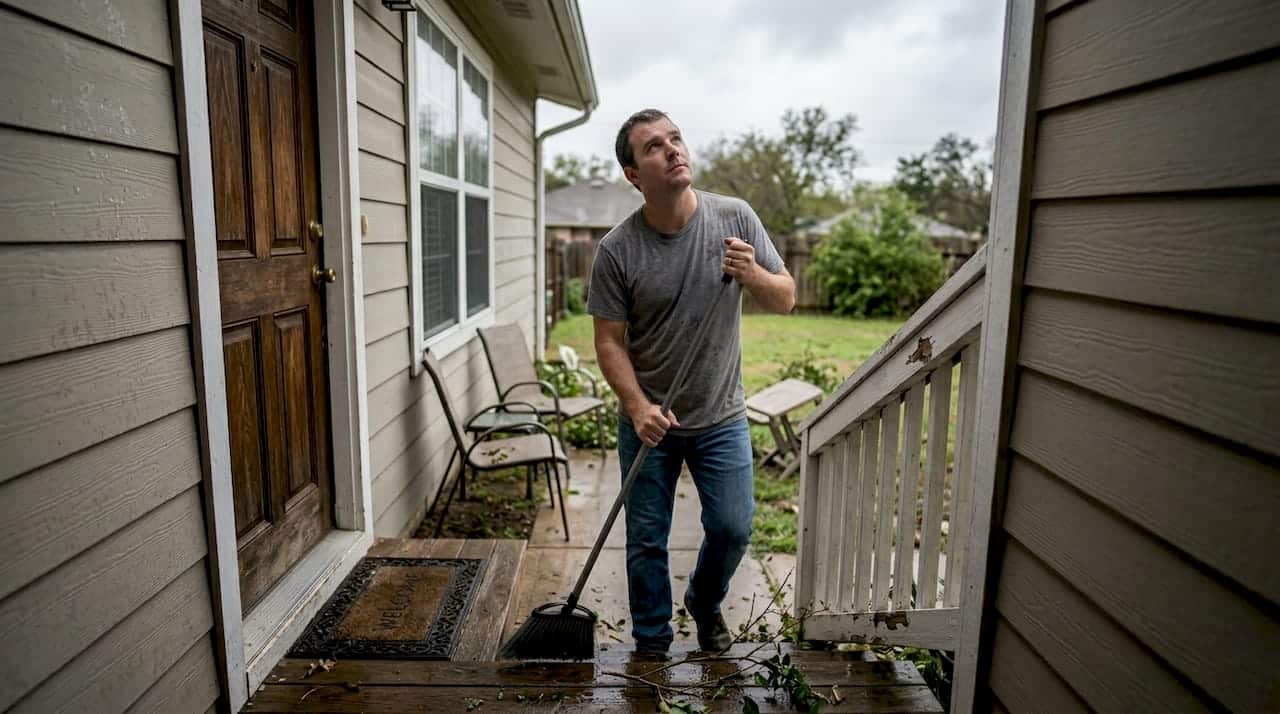
Living on the Texas coast means accepting that storms will come, and they will test every inch of your home’s exterior. Windborne debris from hurricanes like Harvey, which hit at 130 mph, has been documented puncturing non-impact materials more than 3 miles inland. That means even homes not directly in a storm’s path face serious damage from flying shingles, broken siding, and compromised roofs. The good news is that proven strategies exist to dramatically reduce that risk. This guide walks you through assessing your vulnerabilities, choosing the right siding, reinforcing your roof, and staying compliant with Texas inspection requirements.
Table of Contents
- Assessing storm risks and exterior vulnerabilities
- Choosing resilient siding: Fiber cement vs. vinyl vs. wood
- Upgrading your roof to meet FORTIFIED standards
- Inspection, maintenance, and verifying compliance
- Why most homeowners underestimate exterior weatherproofing
- Get expert help and storm-proof your Texas home
- Frequently asked questions
Key Takeaways
| Point | Details |
|---|---|
| Fiber cement is best | Fiber cement siding is the top choice for storm and salt resistance, lasting decades longer than other materials. |
| FORTIFIED roofs save money | Upgrading to FORTIFIED standards can reduce insurance claims by up to 73% after severe storms. |
| Mandatory inspections matter | Texas windstorm inspection is required for insurance—keep compliance records and review annually. |
| Annual maintenance prevents damage | Yearly checks on siding, roofing, and gutters catch problems early and protect your investment. |
Assessing storm risks and exterior vulnerabilities
Coastal Texas sits in one of the most storm-active corridors in the United States. Hurricanes, tropical storms, and severe thunderstorms roll through the Gulf Coast region with regularity, and each one brings wind speeds that test the limits of standard building materials. Understanding what your home is up against is the first step toward protecting it.
The most common exterior failures during coastal storms fall into three categories: roof blow-off, siding puncture, and water ingress from compromised seams. Roof blow-off happens when shingles or entire roof sections separate because fasteners corrode or were never properly installed. Siding puncture occurs when windborne debris, anything from tree limbs to neighboring shingles, strikes the exterior wall. Water ingress follows both of these failures, sneaking into wall cavities and causing rot, mold, and structural damage that can cost tens of thousands of dollars to fix.
Building weather-resistant exteriors starts with knowing where your home is weakest. Look for these warning signs:
- Loose, cracked, or missing shingles on any roof section
- Siding panels that flex, rattle, or show gaps at seams
- Visible rust stains near fasteners or flashing
- Soft spots or discoloration on exterior walls (a sign of moisture behind the siding)
- Gutters pulling away from the fascia board
- Caulking that has cracked or shrunk around windows and doors
Wind speed matters enormously when predicting the type of damage your home will face. Research confirms that debris damage reaches homes up to 3 miles inland when winds hit 120 to 140 mph. The table below shows how different materials hold up as wind speeds increase:
| Wind speed | Standard vinyl siding | Standard asphalt shingles | Fiber cement siding | Impact-rated roofing |
|---|---|---|---|---|
| Up to 90 mph | Minor flex, some gaps | Minor lift at edges | No visible damage | No visible damage |
| 90 to 110 mph | Panel separation likely | Significant shingle loss | Minor surface marks | Minimal lift |
| 110 to 130 mph | Major failure, punctures | Widespread blow-off | Possible cracking | Surface abrasion only |
| 130+ mph | Complete failure | Deck exposure | Localized damage | Partial damage possible |
One of the most compelling reasons to invest in upgrading exteriors in coastal Texas is the insurance impact. Homes built to FORTIFIED standards (a certification program from the Insurance Institute for Business and Home Safety, or IBHS) reduce storm-related insurance claims by 73%. That is not a minor improvement. That is a fundamental shift in how your home performs under pressure.
Choosing resilient siding: Fiber cement vs. vinyl vs. wood
Once you understand where your home is exposed, material selection becomes your most powerful tool. Not all siding performs equally on the Texas coast, and the difference between a good choice and a poor one can mean the difference between minor cleanup and a full exterior replacement after a storm.
The three most common siding materials are fiber cement, vinyl, and wood. Each has a different performance profile for coastal conditions:
| Material | Lifespan | Maintenance level | Storm resistance | Salt/humidity tolerance |
|---|---|---|---|---|
| Fiber cement | 30 to 50+ years | Low to moderate | Excellent | Excellent |
| Vinyl | 20 to 40 years | Low | Moderate | Fair |
| Wood | 8 to 25 years | High | Poor | Poor |
Fiber cement stands out for siding materials for coastal homes because it resists salt air, humidity, rot, insects, UV degradation, and storm impact. According to siding protection details, fiber cement is specifically recommended for coastal Texas homes and outlasts vinyl and wood by a wide margin, with a lifespan of 30 to 50+ years compared to vinyl’s 20 to 40 years and wood’s 8 to 25 years. Wood siding, while attractive, absorbs moisture and salt, leading to rot and insect damage within years in a coastal climate.
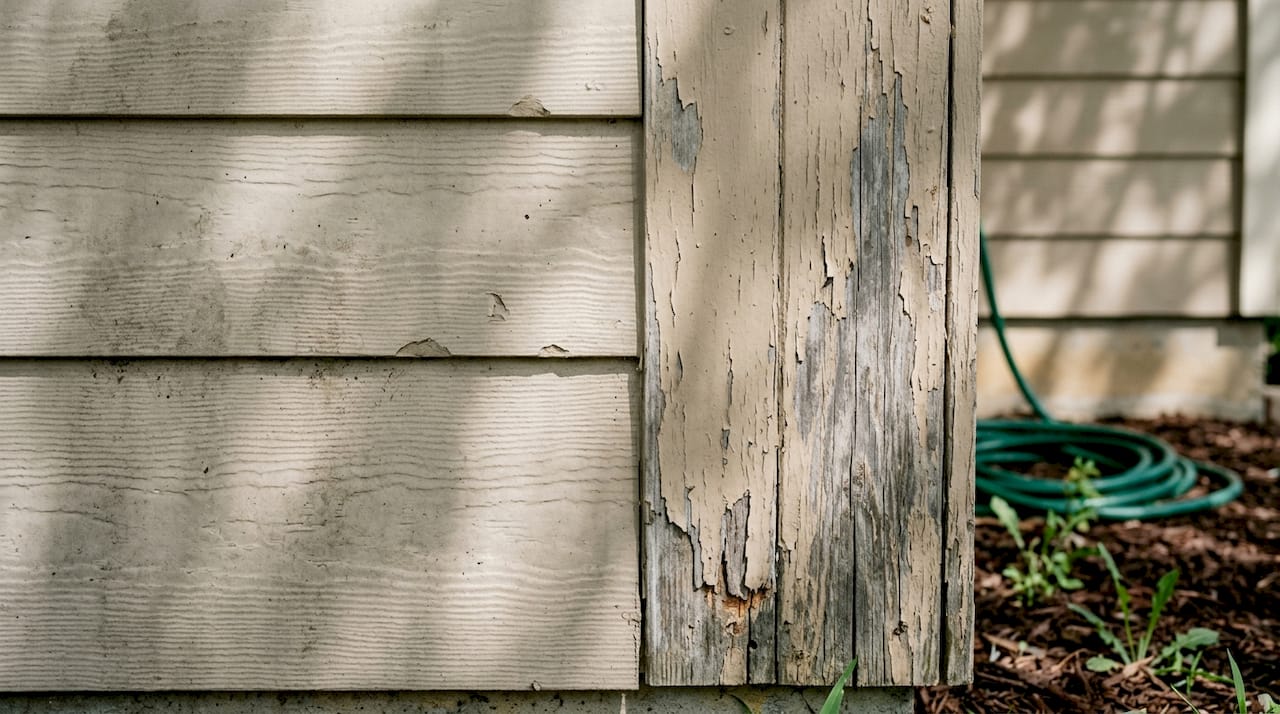
Vinyl is budget-friendly upfront, but it becomes brittle in extreme heat and UV exposure, both of which are constants in South Texas. When vinyl fails, it tends to fail suddenly and completely, leaving your wall sheathing exposed.
Installation quality matters just as much as material choice. Keep these cautions in mind:
- Always use corrosion-resistant fasteners (stainless steel or hot-dipped galvanized) to prevent rust staining and fastener failure
- Maintain a minimum 6-inch clearance between siding and soil to prevent moisture wicking
- Seal all horizontal joints and window/door interfaces with a manufacturer-approved caulk
- Confirm that the installer is familiar with coastal installation requirements, not just standard inland methods
- Ask for documentation of the manufacturer’s wind-load rating for the specific product
Explore expert siding options before making a final decision, especially if your home is within a few miles of the water.
Pro Tip: Always request the manufacturer’s warranty documentation and verify your installer’s credentials before signing any contract. A warranty is only as good as the installer’s compliance with the installation specs.
Upgrading your roof to meet FORTIFIED standards
Siding protects your walls, but your roof is the first and largest target in any major storm. A roof that fails early in a hurricane exposes your entire home to catastrophic water damage. Upgrading to FORTIFIED standards is the most effective way to close that vulnerability.
Here is a step-by-step approach to reinforcing your roof for coastal Texas conditions:
- Inspect and replace the roof deck. The deck (the plywood or OSB panel layer under your shingles) must meet minimum thickness requirements. FORTIFIED Home standards require at least 7/16 to 15/32 inch OSB or CDX sheathing at 24-inch spacing, with ring-shank nails at specific intervals for uplift resistance.
- Apply a sealed roof deck membrane. A self-adhering underlayment (often called a “peel-and-stick” membrane) seals the deck so that if shingles are lost, water cannot penetrate immediately. This single step prevents the majority of interior water damage during storms.
- Select impact-rated roofing materials. Class 4 impact-rated shingles or metal roofing panels offer the best resistance to hail and debris. Metal roofing, in particular, performs well in high-wind coastal environments.
- Install hurricane clips or straps at every rafter. These metal connectors anchor the roof structure to the wall framing, creating a continuous load path from roof to foundation. Without them, roof sections can lift off as a unit.
- Use corrosion-resistant fasteners throughout. Salt air corrodes standard steel fasteners within a few years, weakening every connection in your roof assembly.
Safety note: Never skip the corrosion-resistant fastener requirement in coastal counties. Standard galvanized fasteners can fail within 3 to 5 years in salt-air environments, silently undermining a roof that looks fine from the outside. Always verify fastener specifications with your contractor before work begins.
Compliance with TDI windstorm guidelines is not optional for Texas coastal homeowners. The Texas Department of Insurance (TDI) Windstorm Inspection Program requires that new roofs and re-roofs in coastal counties meet specific attachment schedules and load-path requirements to qualify for TWIA (Texas Windstorm Insurance Association) coverage. Skipping this step can void your windstorm insurance entirely.
For a full breakdown of what these upgrades involve, the exterior weatherproofing guide covers the process in detail, and impact-resistant upgrades outlines the potential damage reduction you can expect.
Pro Tip: Schedule your roof inspection before June 1, the official start of hurricane season. Early scheduling ensures you have time to complete any required work and obtain your TDI inspection certificate before the first storm threatens.
Inspection, maintenance, and verifying compliance
Installing the right materials is only half the battle. Coastal conditions are relentless, and even the best products degrade without regular attention. Annual maintenance keeps your weatherproofing effective and your insurance coverage valid.
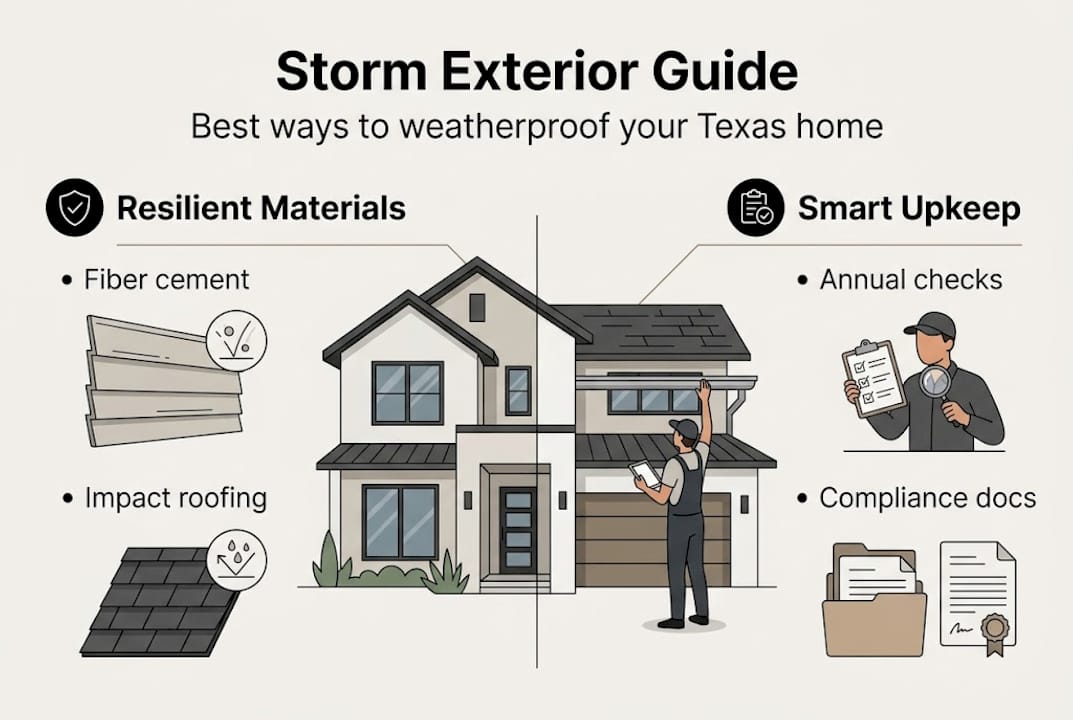
A TDI Windstorm Inspection is mandatory for any new roof or re-roof in Texas coastal counties, and it directly determines your eligibility for TWIA coverage. Failing to schedule this inspection after roofing work means your home may not be insurable for windstorm damage, regardless of the quality of materials used.
Here is what your annual inspection routine should cover:
- Roof fasteners and flashing: Look for lifted shingles, exposed nail heads, and gaps in the metal flashing around chimneys, vents, and skylights
- Siding integrity: Check for cracked panels, loose fasteners, and gaps at corners or trim pieces
- Gutters and downspouts: Clear debris and confirm gutters are firmly attached and draining away from the foundation
- Caulking and sealants: Reapply anywhere you see cracking, shrinkage, or separation around windows, doors, and utility penetrations
- Attic inspection: Look for daylight, moisture stains, or signs of animal intrusion that indicate roof deck or soffit failures
For a detailed checklist of weatherproof protection steps, review the full maintenance guide before each hurricane season. The windstorm inspection FAQ from TDI also answers common questions about what inspectors look for and how to prepare.
Homeowners who complete FORTIFIED-standard upgrades and maintain annual compliance records see the most consistent insurance savings. TWIA eligibility is directly tied to inspection compliance, which means skipping a year of maintenance can have real financial consequences if a storm hits and a claim is disputed.
Pro Tip: Keep a dedicated folder (physical or digital) with all inspection certificates, contractor invoices, and material warranties. Insurance adjusters move fast after a storm, and having documentation ready can speed up your claim significantly.
For more context on how these upgrades translate to long-term savings, the storm damage reduction page breaks down the numbers clearly.
Why most homeowners underestimate exterior weatherproofing
Here is the uncomfortable truth we see repeatedly in coastal Texas: most homeowners do not upgrade until after they have already paid for a major storm loss. They assume their current siding and roof are “good enough” because they survived the last few seasons. But surviving a Category 1 storm does not mean a home is ready for a Category 3.
The real cost of underinvestment is not the upfront price of new materials. It is the compounding expense of repeated repairs, rising insurance premiums, and the risk of losing TWIA coverage entirely. Some homeowners choose tile roofing for its heat-reflection and curb appeal, which is a valid choice, but tile requires a reinforced structure to handle the added weight, and skipping that reinforcement creates a different kind of failure risk. Vinyl siding is popular for its low initial cost, but as Texas windstorm requirements confirm, it degrades faster in salt and humidity, and it does not meet the same performance thresholds as fiber cement in high-wind events.
The importance of exterior renovations goes beyond aesthetics. Verified compliance with TDI inspection standards is just as critical as material selection. A perfectly installed fiber cement exterior still fails the insurance test if the work was never inspected and certified.
Get expert help and storm-proof your Texas home
Knowing what to do and having the right team to do it are two different things. Professional weatherproofing done correctly the first time saves you money, protects your family, and keeps your insurance intact through every storm season.
At Buffalo Roofing & Exteriors, we specialize in Texas storm-proof roofing, exterior siding protection, and full storm restoration for homeowners across Corpus Christi, San Antonio, and Victoria. We handle TDI inspections, FORTIFIED upgrades, and material selection so you do not have to navigate it alone. Contact us today for a free estimate and get your home ready before the next storm season.
Frequently asked questions
What are the most storm-resistant siding materials for coastal Texas homes?
Fiber cement siding outperforms vinyl and wood for salt, humidity, rot, and impact resistance, with a lifespan of 30 to 50+ years that makes it the clear choice for coastal Texas conditions.
How do FORTIFIED roof upgrades reduce storm insurance claims?
Upgrades like sealed decks, hurricane clips, and corrosion-resistant fasteners built to FORTIFIED standards can cut storm-related insurance claims by up to 73%.
Is windstorm inspection required for all re-roof jobs in Texas coastal counties?
Yes, homes in 1st Tier Coastal Counties must pass TDI Windstorm Inspection for TWIA insurance eligibility on any new or re-roof project, with no exceptions.
What are annual upkeep tips for weatherproof exteriors?
Inspect roof fasteners and flashing, check for loose siding, clear gutters, reapply sealants, and keep all inspection records organized so your insurance coverage stays valid year after year.