TL;DR:
- Texas homeowners face frequent, severe weather threats that demand impact-resistant roofing solutions.
- Choosing properly rated shingles, installed correctly and supported by system components, is essential for long-term protection.
Texas homeowners know the sky can turn dangerous fast. A storm that looks routine on radar can drop golf ball-sized hail and leave a neighborhood worth of roofs cracked, leaking, and expensive to fix. Texas leads the nation in hail events with roughly 900 per year, and the damage adds up to billions across the country annually. Yet many homeowners install what a salesperson calls an “impact resistant” shingle and assume the job is done. It is not. Not all of these products are tested the same way, rated the same way, or built to last the same way. This guide breaks down exactly what to look for, what the ratings mean, and how to pair smart shingle choices with the installation and maintenance practices that actually keep coastal Texas roofs intact.
Table of Contents
- Why impact resistant shingles matter for coastal Texas homes
- How impact resistance is measured and rated
- Comparing leading impact resistant shingle options
- Beyond shingles: Maximizing your roof’s severe weather resilience
- Why focusing only on shingle ratings misses the bigger picture
- Find the right impact resistant roofing solution for your Texas home
- Frequently asked questions
Key Takeaways
| Point | Details |
|---|---|
| Hail risks in Texas | Texas leads the nation in hail storms, making roof selection critical for home protection. |
| Impact resistance standards | Not all impact resistant shingles offer the same protection—always check for verified Class 4 ratings and real-world test performance. |
| Shingle type comparisons | Synthetic composite shingles can surpass asphalt in durability, but both have unique advantages for coastal Texas weather. |
| Whole-system resilience | Combining quality materials with professional installation and regular upkeep maximizes your roof’s storm durability. |
| Holistic approach needed | True protection goes beyond ratings—focus on the full roof system and local expertise for the best results. |
Why impact resistant shingles matter for coastal Texas homes
Living along the Texas coast puts your roof in the crosshairs of two distinct threats at the same time. You get hail from inland storm systems pushing east, and you get wind-driven rain and debris from Gulf weather moving north. That combination is far more punishing than what homeowners in other parts of the country typically face.
Texas averages about 900 hail events per year, making it the single most hail-prone state in the country. When you add coastal humidity and salt air to the mix, shingles that might hold up fine in Ohio or Colorado can degrade much faster here. Granule loss accelerates in humid conditions. Sealant bonds weaken when they cycle through extreme heat and then get soaked by rain. The result is a roof that looks fine from the street but is quietly failing.
Here is what impact resistant roofing is designed to address:
- Resistance to hail impact that would crack or bruise a standard shingle
- Stronger granule adhesion to prevent accelerated weathering after a storm
- Better sealant performance that holds down shingles when wind follows a hailstorm
- Reduced frequency of costly repairs between major weather events
- Potential insurance savings through premium discounts for qualifying products
“Not all products marketed as impact resistant actually perform equally under real-world testing conditions. Verified ratings from independent organizations matter more than label claims alone.”
The difference between a product with a legitimate independent rating and one that simply uses marketing language can be thousands of dollars in repair costs after a single bad storm. Coastal Texas homeowners cannot afford to find that out after the fact.
How impact resistance is measured and rated
The words “impact resistant” on a shingle package mean nothing without knowing what test the product went through and what it scored. There are two widely referenced standards, and understanding the difference between them changes how you shop.
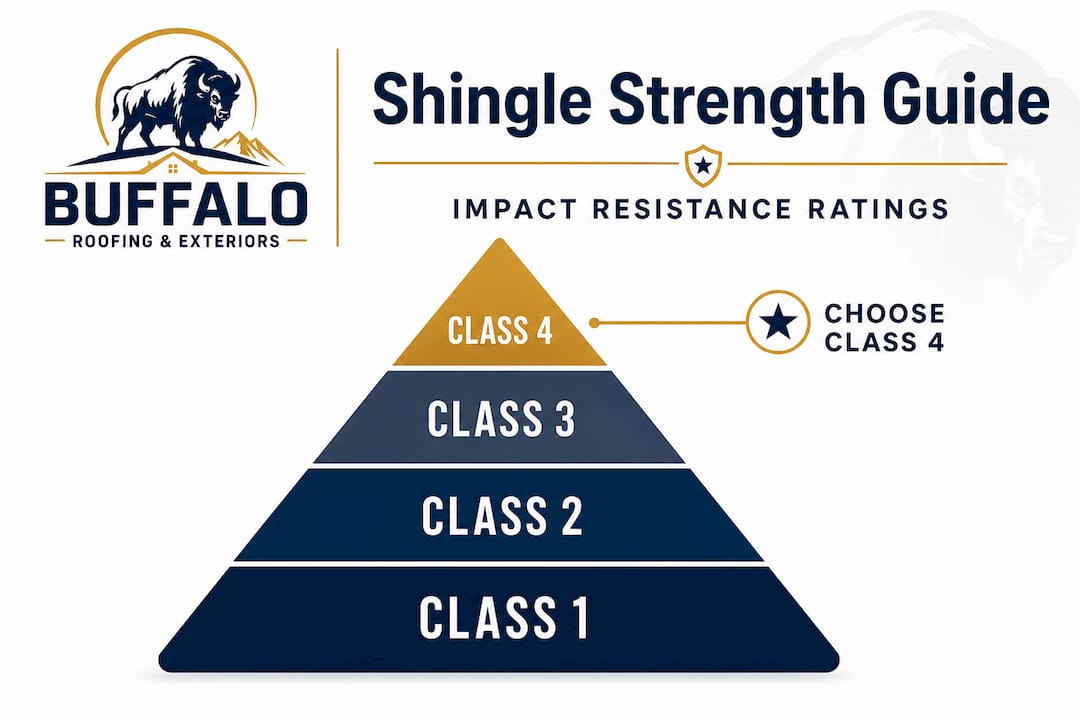
UL 2218 is the most common test used in the industry. It drops a steel ball of a specific size from a specific height onto a shingle and checks for cracks. A Class 4 rating under this standard means the shingle survived a two-inch steel ball dropped from 20 feet with no cracking or tearing. That is a meaningful threshold, and Class 4 is the highest rating you can get.
FM 4473 is a similar test with slightly different parameters, also widely accepted by insurers.
The catch is that steel balls do not behave like real hail. Ice hail is irregular in shape, colder, and hits at different angles depending on wind. IBHS research shows that when real ice hail is used in testing, results vary significantly from steel ball results. Some products that score well with steel balls show more denting, granule loss, or tearing when hit with actual ice hailstones. Sealant strength, which is what keeps a shingle adhered after impact weakens the bond, also plays a critical role that the basic UL test does not fully capture.
What to look for when reviewing shingle certifications:
- Confirm the product carries a UL 2218 Class 4 rating from a third-party lab, not just a manufacturer claim
- Check whether the product has been tested with real ice hail through IBHS or similar programs
- Look at the warranty language for hail-specific coverage, not just general manufacturing defects
- Ask whether the sealant adhesion is rated separately, since post-impact sealant failure is a leading cause of blow-offs
- Request documentation from your contractor showing the certification number, not just the product name
Pro Tip: Class 4 shingles often qualify for an insurance discount of 20 to 30 percent in Texas. Call your insurance company before choosing a product so you know exactly which certifications they require to apply that discount.
| Rating class | Steel ball size | Height of drop | Typical application |
|---|---|---|---|
| Class 1 | 1.25 inches | 12 feet | Low-risk regions |
| Class 2 | 1.5 inches | 15 feet | Moderate risk |
| Class 3 | 1.75 inches | 17 feet | Higher-risk zones |
| Class 4 | 2 inches | 20 feet | Severe hail regions |
For any Texas homeowner near the coast, Class 4 is the only rating worth considering. Anything less is leaving your home underprotected given the weather you realistically face. Read more in our hail resistance guide to understand how these ratings connect to real-world storm scenarios in your area.
Comparing leading impact resistant shingle options
Knowing the rating system is useful, but you also need to understand the actual materials available and how they perform differently under Texas conditions. The three main categories are standard asphalt, architectural (dimensional) asphalt, and synthetic composite.
Standard asphalt shingles are the most affordable and the most common. Even Class 4 versions can be purchased at a moderate price point. The downside is that asphalt becomes brittle in cold weather and can crack after severe impacts despite having a passing rating. Granule loss over time also reduces their effectiveness. In the heat cycling common to Texas, the adhesive strips can soften and then re-set in ways that compromise their original bond strength.
Architectural (dimensional) asphalt shingles are thicker and layered, giving them better impact absorption than standard three-tab shingles. Most Class 4-rated products sold today fall into this category. They carry longer warranties, typically 30 years to lifetime, and perform better in wind than flat shingles because of their interlocking profile.
Synthetic composite shingles are made from rubber, plastic polymers, or a blend of recycled materials. They are engineered specifically for impact and weather resistance. Synthetic composites tend to be less brittle than asphalt, maintain their granule surface longer, and often carry warranties that specifically address hail damage. The TAMKO HailGuard product, for example, is designed to exceed Class 4 standards and includes a warranty that directly covers hail damage in a way that most standard asphalt warranties do not.
Pro Tip: When comparing warranties, look specifically for language that covers hail damage to the shingle surface. Many warranties cover manufacturing defects but exclude weather damage after installation. That distinction matters enormously in Texas.
| Shingle type | Typical Class 4 cost per square | Lifespan | Hail warranty | Best fit for coastal Texas |
|---|---|---|---|---|
| Standard asphalt | $80 to $120 | 20 to 25 years | Rare | Budget builds only |
| Architectural asphalt | $120 to $180 | 30 to 50 years | Limited | Good baseline choice |
| Synthetic composite | $200 to $350 | 40 to 50 years | Often included | Best long-term value |
The price gap between architectural asphalt and synthetic composite narrows considerably when you factor in fewer repairs, better insurance rates, and longer replacement cycles. For a coastal Texas home that gets hit by significant weather every few years, the math often favors investing more upfront. Explore your options further on our best roofing materials page to see which products we recommend for specific coastal conditions.
Beyond shingles: Maximizing your roof’s severe weather resilience
Choosing the right shingle is necessary, but it is only one part of a resilient roofing system. We have seen Class 4-rated roofs fail after major storms not because the shingles themselves broke, but because the surrounding system was not built to support them.
Here are the key components that work alongside your shingles to protect your home:
- Underlayment quality. A synthetic underlayment rated for high wind and moisture is far more effective than standard felt paper. If shingles lift or crack, the underlayment is the next line of defense.
- Fastener type and placement. Using the correct nail length and hitting the nailing zone precisely on each shingle is critical. Over-driven nails actually reduce holding strength, and under-driven nails leave shingles vulnerable to wind lift.
- Attic ventilation. Poor ventilation causes heat buildup that degrades shingles from below, softens adhesive strips, and shortens the roof lifespan significantly. Proper ridge and soffit ventilation are not optional extras.
- Roof deck condition. Installing premium shingles on a damaged or rotting deck undermines everything above it. A solid, dry OSB or plywood deck is the foundation the whole system depends on.
- Sealant and flashing integrity. Post-hail sealant failure is one of the most underreported causes of wind damage after a storm. When hail loosens adhesive strips, even moderate wind can lift shingles. Quality installation includes checking and reinforcing all flashing around chimneys, vents, and valleys.
After a major storm, your inspection routine matters just as much as what is on your roof. Hidden damage often does not show up as an active leak right away. It shows up as a leak six months later after a second, smaller storm finds the weak spot. Build a roof maintenance workflow that includes professional inspections at least once a year and after any storm that brings hail or sustained winds above 50 miles per hour.
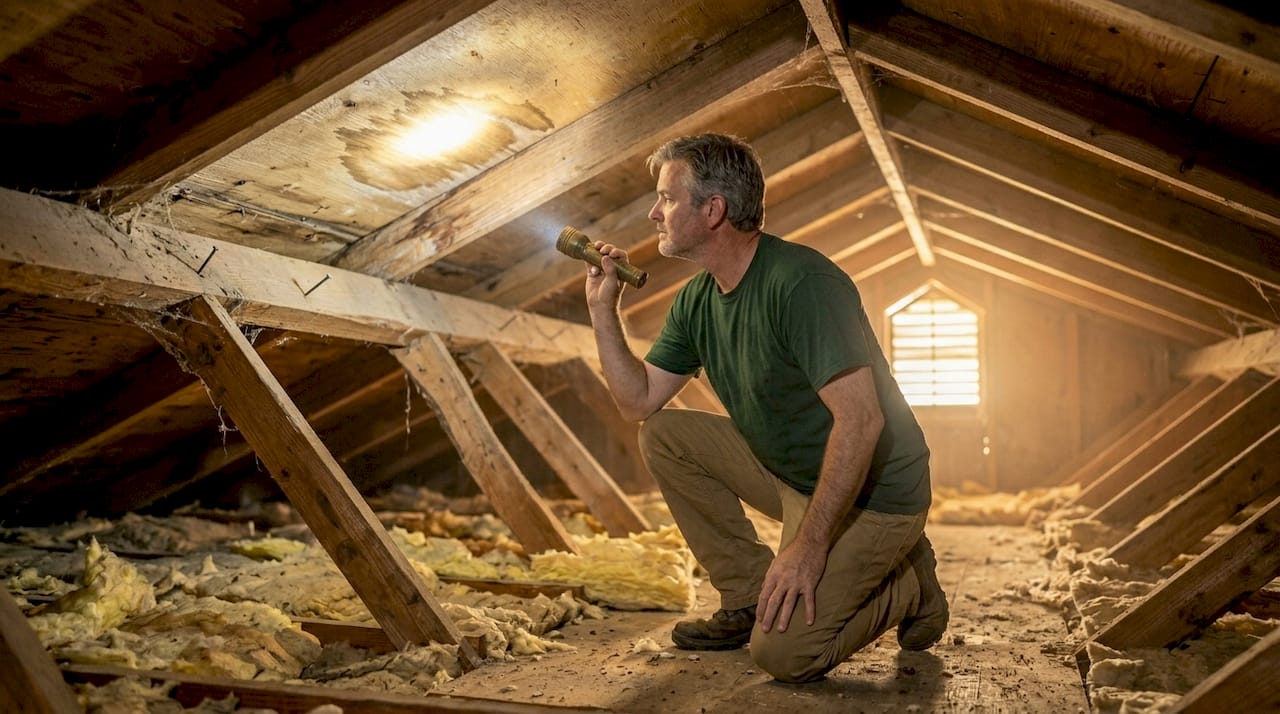
Pro Tip: Take photos of your roof from the attic after a major storm. Water stains on the decking, daylight around fasteners, or sagging spots in the sheathing are signs of damage that is invisible from the outside but needs immediate attention.
Why focusing only on shingle ratings misses the bigger picture
Here is something the roofing industry does not talk about enough: homeowners who invest in Class 4 shingles still file major storm damage claims all the time. We have seen it repeatedly. The shingle rating is real, and it matters, but it is not a guarantee of performance on its own.
The uncomfortable truth is that a Class 4 shingle installed by an inexperienced crew on a poorly ventilated deck with cheap underlayment will underperform a Class 3 shingle installed correctly by a crew that understands coastal Texas conditions. The test rating measures the shingle in isolation. Your roof is a system.
IBHS testing demonstrates consistently that performance varies widely among products with the same nominal rating. Two products can both carry a Class 4 label and produce very different outcomes in real storm conditions. That is because the test has tolerances. Manufacturers hit the minimum threshold and move on. Some products exceed it meaningfully. Others barely pass.
What actually protects your home long-term is a combination of a genuinely high-performing product, installed by people who understand the full roofing system, maintained on a schedule, and inspected by someone who knows what coastal storm damage looks like. Over-relying on a label gives homeowners false confidence and leads to delayed repairs that compound into much larger problems.
We also see homeowners overlook the edges and transitions. The field of the roof, meaning the large flat sections covered by shingles, tends to hold up reasonably well even with average installation. Where roofs fail first is at valleys, around penetrations, at eave edges, and along ridge lines. These are the areas where water concentrates, wind pressure is highest, and installation errors are most common. A great shingle in the field does not fix a poorly sealed valley.
Explore impact-resistant upgrades that go beyond shingle selection to address these system-level vulnerabilities before the next storm season hits.
Find the right impact resistant roofing solution for your Texas home
You have done the hard work of understanding what impact resistant shingles really mean and what it takes to build a roof that holds up along the Texas coast.
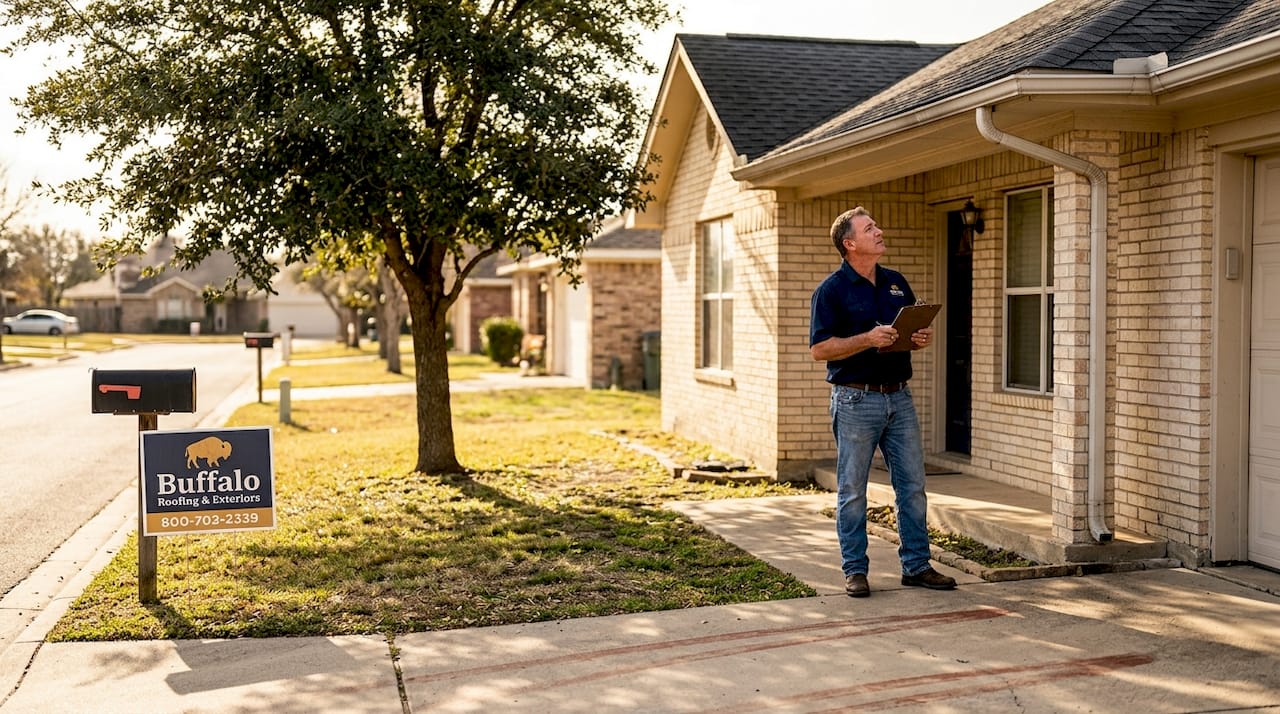
At Buffalo Roofing & Exteriors, we work with homeowners across Corpus Christi, San Antonio, and Victoria to match the right materials to the right installation approach for your specific home and location. We know coastal Texas weather because we work in it every day. Whether you need a full assessment of your current roof, want to understand your options for weather-resistant roofing, or are ready to move forward with impact resistant roofing that fits your budget and insurance goals, our team provides free estimates and transparent guidance from the first conversation. If a recent storm already caused damage, our storm damage restoration guide walks you through the full recovery process. Contact us to schedule your assessment and get a clear picture of where your roof stands before the next storm system arrives.
Frequently asked questions
What does a Class 4 impact resistant rating mean for shingles?
It means the shingle passed UL 2218 testing at the highest threshold, surviving a two-inch steel ball drop from 20 feet without cracking, which independent testing confirms is the best baseline for hail-prone regions like Texas.
Are synthetic composite shingles better than asphalt for impact resistance?
Synthetic composites often hold up better over time because they are less prone to brittleness and granule loss, though they cost more upfront than architectural asphalt options.
Can impact resistant shingles lower my insurance premiums in Texas?
Many Texas insurers offer premium discounts of 20 to 30 percent for Class 4-rated shingles, but the specific discount and which certification qualifies varies by provider, so verify directly with your insurer before purchasing.
Is installation as important as the type of shingle?
Absolutely. Poor sealant application or incorrect fastening can cause shingles to lift or leak in the first major storm after installation, regardless of the shingle’s rating.
How often should I inspect a roof with impact resistant shingles?
Plan on at least one professional inspection per year and an additional inspection after any storm that brings hail or strong winds, since damage often hides in places not visible from the ground.