TL;DR:
- Upgrading windows enhances storm protection, energy efficiency, noise reduction, and home resale value.
- Impact-resistant, storm-rated, and energy-efficient windows are best suited for coastal Texas homes.
- Investing in quality windows offers long-term savings, insurance discounts, and better protection against storms.
Windows are not just glass. For homeowners along the Texas Gulf Coast, they are the first line of defense against hurricanes, salt-laden air, and scorching heat. Many people treat window upgrades as a cosmetic project, something to do when the house needs a facelift. That mindset is expensive. Old or standard windows can let in storm water, spike your energy bills, and fail under hurricane-force winds. This guide walks you through the real risks, the proven benefits, and the smartest upgrade choices so you can protect your home, your family, and your wallet before the next storm season arrives.
Table of Contents
- Why coastal Texas windows matter: Risks and realities
- Top benefits of upgrading exterior windows
- Types of exterior window upgrades and what to look for
- Upgrading windows: Is it worth it financially?
- The real reason most homeowners wait, and why you can’t afford to
- Upgrade with confidence: Protect your coastal Texas home
- Frequently asked questions
Key Takeaways
| Point | Details |
|---|---|
| Coastal risks | Upgrading windows protects against storms, salt, and humidity especially in Texas coastal homes. |
| Better savings | Modern windows can reduce energy bills and may qualify for insurance discounts. |
| Highest protection | Impact-resistant and storm-rated windows offer the best defense against extreme weather. |
| Long-term value | The initial investment in new windows is balanced by reduced repairs and higher home value. |
Why coastal Texas windows matter: Risks and realities
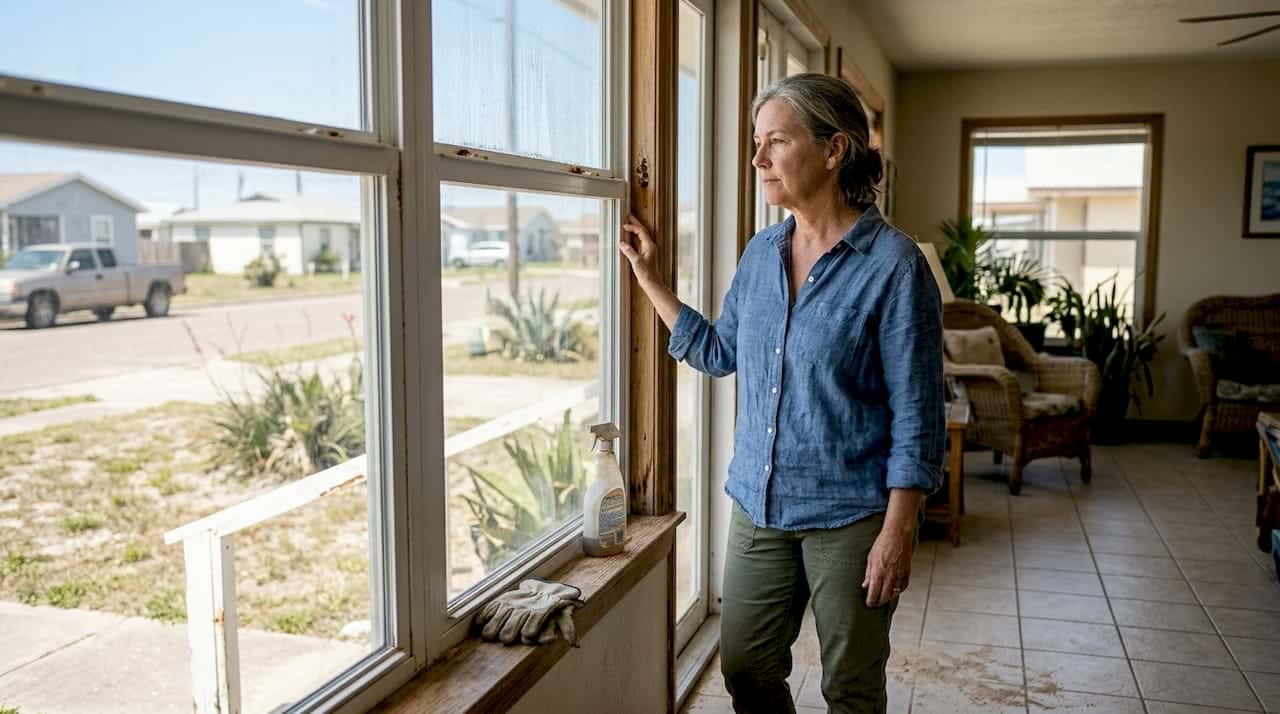
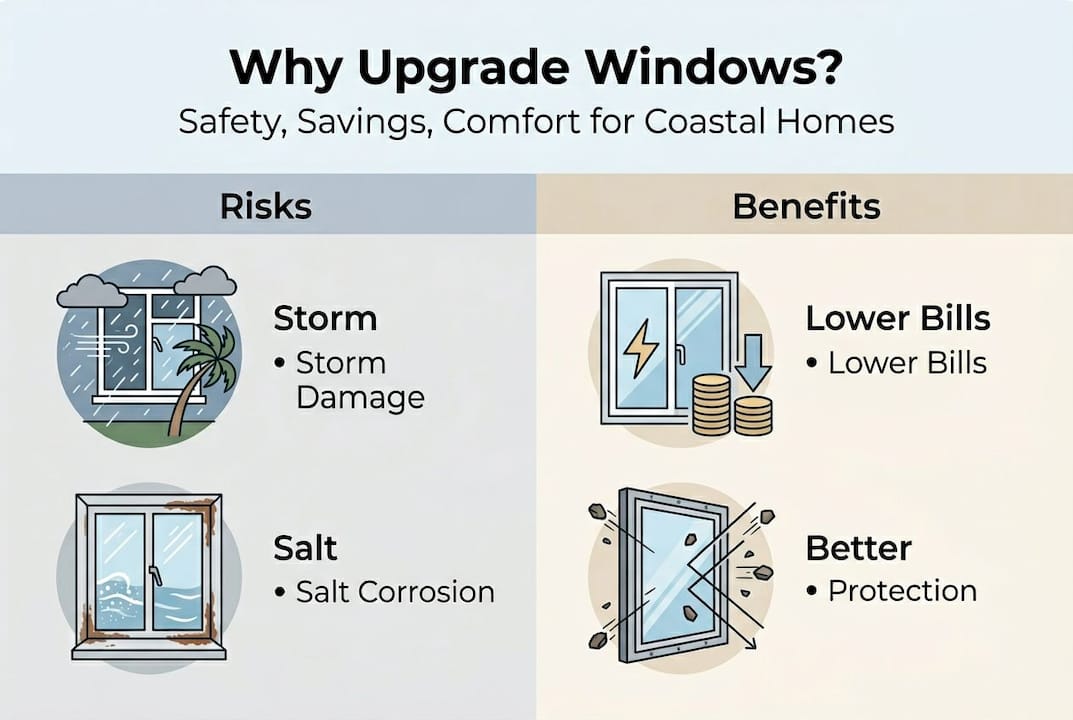
Living near the Gulf of Mexico is a privilege, but it comes with real trade-offs for your home. Salt air is relentless. It corrodes metal hardware, degrades window seals, and eats through standard aluminum frames faster than most homeowners expect. Add in the humidity that never really lets up, and you have a recipe for warped frames, fogged glass, and failing weatherstripping year after year.
Hurricanes and tropical storms are the bigger threat. Coastal Texas homes are at increased risk of storm and wind-related damage, and windows are among the most vulnerable points on any structure. When a window fails during a storm, it does not just let in rain. It creates a pressure change inside the house that can lift the roof. That one failure point can turn a manageable storm event into a catastrophic loss.
Common mistakes make the problem worse. Here is what we see most often:
- Ignoring small cracks or chips in the glass frame
- Skipping annual caulk and seal inspections
- Using interior paint to cover up exterior frame rot
- Installing builder-grade windows in a coastal climate
- Delaying replacement until visible water damage appears
Each of these mistakes compounds over time. A hairline crack in a frame lets in moisture. That moisture breeds mold, weakens the surrounding wall structure, and eventually forces a repair that costs far more than a proactive upgrade would have.
“The window is not just a view. In coastal Texas, it is a structural component that either protects your home or exposes it.”
Modern windows engineered for coastal climates are a different product entirely. They use laminated glass, reinforced frames, and corrosion-resistant hardware designed to handle exactly these conditions. Upgrading your home exteriors in coastal Texas is not a luxury decision. It is a practical one. And when you pair strong windows with weatherproof exteriors, you create a system that works together to keep your home intact.
Now that you see windows play a far bigger role in coastal homes, let’s examine the core benefits you gain by upgrading.
Top benefits of upgrading exterior windows
The case for upgrading your exterior windows goes well beyond storm protection. It touches every part of your daily life at home, from your monthly utility bill to the noise level inside your living room.
Here are the four major benefits ranked by impact for coastal Texas homeowners:
- Storm safety. Impact-rated windows resist flying debris, the leading cause of window failure during hurricanes. Weatherproof exteriors can cut Texas storm damage by 60%, and upgraded windows are a core part of that protection system.
- Energy savings. Double and triple-pane windows dramatically reduce heat transfer. In coastal Texas, where air conditioning runs for nine or ten months a year, that translates directly into lower electric bills.
- Noise reduction. Laminated and multi-pane glass absorbs sound. If you live near a busy road or a marina, the difference after upgrading is immediately noticeable.
- Higher resale value. Buyers in storm-prone markets pay attention to window ratings. Storm-rated windows are a selling point that adds measurable value to your home.
| Benefit | Impact for coastal Texas homes |
|---|---|
| Storm protection | Reduces debris damage and pressure failure |
| Energy efficiency | Lowers AC costs by up to 25% |
| Noise reduction | Cuts outside noise by 30 to 40% |
| Resale value | Adds value and speeds up home sales |
| Insurance savings | Qualifies for carrier discounts |
Pro Tip: Ask your insurance carrier specifically about discounts for storm protection with new windows. Some carriers offer meaningful premium reductions for impact-rated glass, and that savings compounds every year you own the home.
The financial case is strong when you factor in durability and savings over a 15 to 20 year window lifespan. Energy savings, fewer repairs, lower insurance premiums, and higher resale value all work together. Understanding the benefits makes the return on investment clear, but which upgrades deliver the most impact?
Types of exterior window upgrades and what to look for
Not every window upgrade is the right fit for a coastal Texas home. The market offers a wide range of options, and choosing the wrong product can leave you with windows that look great but fail when a storm rolls in.
Here are the main categories you will encounter:
- Storm windows. These are secondary windows installed over existing frames. They add a layer of protection without full replacement. Good for budget-conscious upgrades but not as effective as full impact-rated units.
- Impact-resistant windows. These use laminated glass with a polymer interlayer that holds the glass together even when shattered. Impact-resistant upgrades reduce coastal damage by 70%, making them the gold standard for Gulf Coast homes.
- Energy-efficient windows. Double or triple-pane glass with low-emissivity (low-E) coatings that reflect heat. Essential for keeping cooling costs manageable in Texas summers.
- Low-maintenance windows. Vinyl and composite frames resist salt corrosion, do not need painting, and hold up well in humid climates. They are a smart long-term choice for coastal properties.
When comparing your window upgrade options, focus on these key features:
| Feature | Why it matters for coastal Texas |
|---|---|
| Hurricane/impact rating | Certifies wind and debris resistance |
| Double or triple-pane glass | Reduces heat transfer and noise |
| Low-E coating | Reflects UV and infrared heat |
| Corrosion-resistant hardware | Survives salt air and humidity |
| Vinyl or composite frame | Minimal maintenance in coastal climates |
One thing that surprises many homeowners: the frame material matters as much as the glass. Aluminum frames corrode quickly near saltwater. Wood frames absorb moisture and warp. Vinyl and fiberglass composite frames are the better choice for long-term performance on the coast.
Once you know what to look for, the question becomes: Is upgrading truly worth the investment?
Upgrading windows: Is it worth it financially?
This is the question most homeowners ask first, and it deserves a straight answer. Yes, upgrading exterior windows in coastal Texas is worth it financially, but the math only makes sense when you look at the full picture.
Here is a realistic breakdown of what to expect:
- Upfront costs. Standard window replacement in Texas runs between $400 and $1,000 per window installed, depending on size, glass type, and frame material. Impact-rated windows sit at the higher end. Window replacement costs and long-term savings depend on several factors including your home’s size and the specific products you choose.
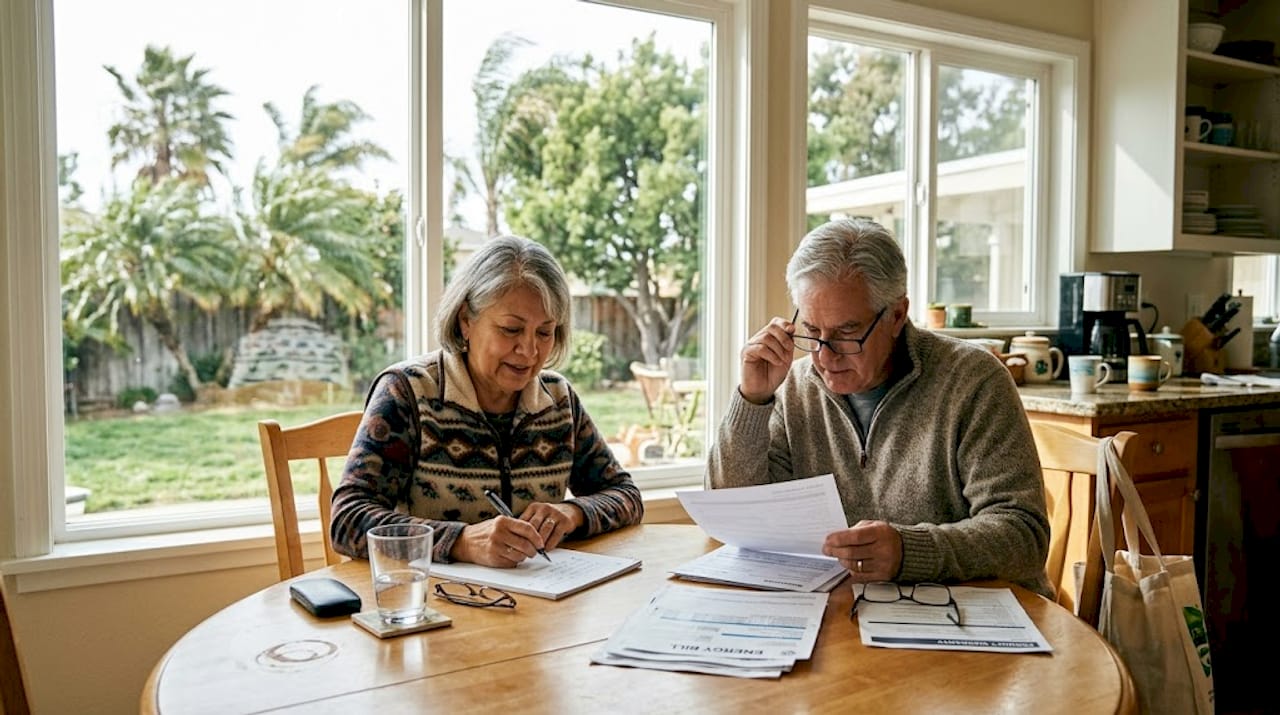
- Insurance discounts. Many carriers reduce homeowner premiums by 5 to 15 percent for homes with certified impact-resistant windows. On a $3,000 annual premium, that is $150 to $450 back in your pocket every year.
- Energy savings. Upgrading from single-pane to double-pane low-E windows can reduce cooling costs by 20 to 25 percent. In a Texas home running central air for most of the year, that adds up fast.
- Avoided repair costs. A single storm-related window failure can cost $2,000 to $10,000 in water damage repairs. Proactive upgrades eliminate that risk.
A home with 15 windows upgraded to impact-rated units could realistically recover the full investment within 8 to 12 years through combined energy savings, insurance discounts, and avoided repairs. That is before accounting for the increase in resale value.
Pro Tip: Check whether your window upgrade qualifies for federal energy efficiency tax credits. In 2026, eligible energy-efficient windows may qualify for credits that reduce your out-of-pocket costs at tax time.
The path to building durability and savings is not just about spending less. It is about spending smarter and protecting what you have already built.
The real reason most homeowners wait, and why you can’t afford to
Here is something we have observed after years of working with coastal Texas homeowners: the hesitation to upgrade windows is almost never about not understanding the value. It is about not wanting to deal with the project. The cost feels big upfront. The process feels disruptive. So homeowners wait.
That wait is the most expensive decision they make.
Storm damage does not come with a warning that gives you time to prepare. When a hurricane or tropical storm forces a window failure, you are not choosing between upgrade costs and comfort. You are choosing between insurance claims, emergency repairs, mold remediation, and temporary housing. The forced repair always costs more than the planned upgrade.
Homeowners who act before hurricane season, by timing your upgrades strategically in the off-season, also get better pricing and faster scheduling. Contractors are less busy, lead times on materials are shorter, and you have time to make thoughtful product choices instead of emergency decisions.
Waiting is not neutral. Every season you delay, your existing windows degrade a little more, your energy bills stay higher than they need to be, and your home remains more vulnerable than it should be.
Upgrade with confidence: Protect your coastal Texas home
At Buffalo Roofing & Exteriors, we work with homeowners across Corpus Christi, San Antonio, and Victoria who are serious about protecting their homes from coastal weather. Our team specializes in window upgrade services designed specifically for the Gulf Coast climate, using products rated for hurricane conditions and built to last in salt air and humidity.
If your home has already taken storm damage, our storm damage restoration services can get you back to full protection quickly. And if you are planning a broader project, our team handles full exterior renovations for coastal Texas homes from windows to siding to roofing. Contact us today for a free estimate and let us help you build a home that stands up to whatever the Gulf throws at it.
Frequently asked questions
What types of windows are best for coastal Texas homes?
Impact-resistant, storm-rated, and energy-efficient windows are best suited for the unique weather conditions in coastal Texas. Impact-resistant upgrades reduce coastal damage by 70%, making them the top choice for Gulf Coast homeowners.
Will upgrading windows lower my energy bills?
Yes, energy-efficient windows help retain cool air and reduce the cost of air conditioning, especially in hot Texas weather. Double-pane low-E windows can cut cooling costs by 20 to 25 percent.
Do insurance companies offer discounts for storm-rated windows?
Many insurers provide discounts if your home has impact-resistant or storm-rated windows, reducing your ongoing insurance costs. Premium reductions typically range from 5 to 15 percent depending on your carrier and coverage.
How much does it cost to upgrade exterior windows in Texas?
Costs vary by window type and installation needs, but window replacement costs and long-term savings depend on factors like home size, glass type, and frame material. Long-term savings on energy and repairs can offset the initial investment within 8 to 12 years.
Recommended
- Why upgrade building exteriors? Boost durability and savings
- Why upgrade home exteriors in coastal Texas in 2026
- Why Summer Is the Best Time for Exterior Upgrades | Buffalo Roofing & Exteriors | San Antonio to Corpus Christi, TX
- Boost storm protection with weather-resistant windows
- Roofing Company San Antonio TX