TL;DR:
- Skipping required windstorm inspections can lead to denied insurance claims and higher costs.
- Impact-rated upgrades significantly improve storm resilience and can reduce damage by up to 70 percent.
- A coordinated, system-wide approach ensures better protection and value for coastal Texas homes.
Skipping steps during an exterior renovation can cost Texas coastal homeowners far more than the project itself. One missed inspection, one non-compliant material, and your windstorm insurance claim could be denied when you need it most. Texas coastal homeowners must comply with the TDI Windstorm Inspection Program for renovations that require inspections, and that requirement catches many homeowners off guard. This checklist walks you through every critical phase of a coastal Texas exterior renovation, from post-storm assessment to strategic upgrades, so you protect your home, stay compliant, and build lasting value.
Table of Contents
- Assessing exterior storm damage and immediate actions
- Understanding Texas coastal compliance and inspection essentials
- The essential renovation checklist: Roofing, siding, windows, drainage
- Maximizing home value and storm resilience through strategic upgrades
- The overlooked advantage: Integrating renovations for true Texas coastal protection
- Ready to start your Texas exterior renovation?
- Frequently asked questions
Key Takeaways
| Point | Details |
|---|---|
| Storm assessment first | Always inspect and document exterior damage after any Texas storm before repairs begin. |
| Know compliance rules | Major exterior projects often need a windstorm inspection to keep insurance valid. |
| Integrate for resilience | Upgrading roofing, windows, and siding together offers the best storm protection and home value. |
| Impact upgrades pay off | Impact-rated upgrades can cut coastal damage and often lower insurance costs. |
Assessing exterior storm damage and immediate actions
When a storm rolls through Corpus Christi or the surrounding coast, the first 48 hours matter most. Acting fast protects your home from secondary damage and keeps your insurance claim on solid ground. Here is how to work through the assessment in order.
- Stay safe first. Before stepping outside, check for downed power lines, standing water, or structural instability. Do not walk on a roof without proper safety equipment.
- Do a full exterior walkthrough. Look at the roof, gutters, siding, windows, doors, and foundation perimeter. You are looking for anything out of place, cracked, missing, or shifted.
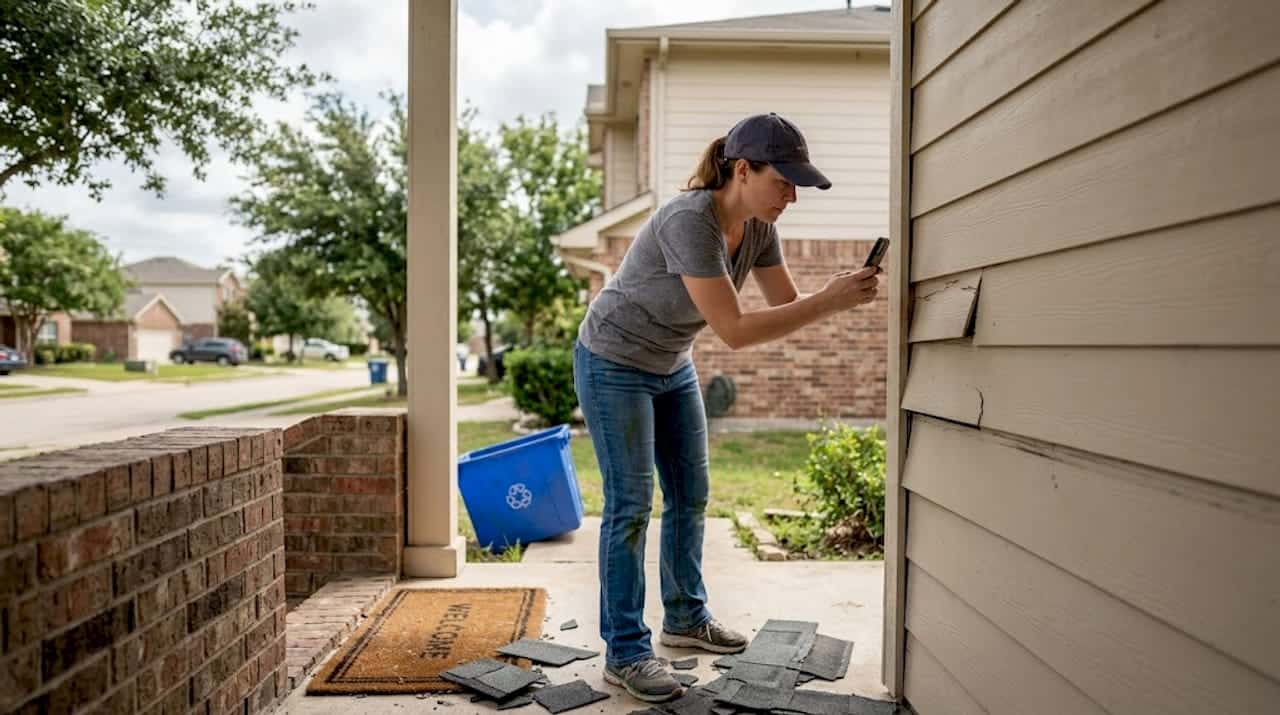
- Document everything before touching it. Take photos and video of every damaged area. Note the date, time, and weather conditions. This documentation is your evidence for the insurance claim.
- Check for hidden damage. Water stains on ceilings, soft spots on walls, and bubbling paint often point to moisture intrusion that is not visible from outside. A post-storm exterior assessment should include missing shingles, flashing gaps, gutter separation, siding cracks, and interior water stains.
- Apply temporary fixes only where safe. Tarping an exposed section of roof or boarding a broken window is smart. Attempting structural repairs yourself before a professional inspection is not.
- Call a licensed contractor for a full inspection. Hidden damage is common after major storms, and an untrained eye misses it. A professional inspection also creates a written record that supports your insurance claim.
“The biggest mistake coastal homeowners make after a storm is cleaning up before documenting. Once you move debris or patch a hole, you lose your best evidence.”
Pro Tip: Use a free cloud storage app to upload your storm photos immediately after taking them. If your phone is lost or damaged in a follow-up event, your documentation is still safe and accessible for your insurer.
For a deeper look at what comes next after the initial assessment, our storm recovery guide walks through the full process from inspection to final repair.
Understanding Texas coastal compliance and inspection essentials
Once you have addressed immediate safety concerns, the next step is understanding what Texas law and your insurance policy require before you begin major repairs or upgrades. This is where many homeowners run into trouble.
The TDI Windstorm Inspection Program is required for major exterior repairs, roof changes, or to qualify for TWIA windstorm insurance. That covers a lot of common renovation work, including full or partial roof replacements, window and door replacements, and siding overhauls. If you skip the inspection, you may lose your eligibility for windstorm coverage entirely.
Not every repair triggers an inspection, though. Small repairs under 100 sq ft of roof area, painting, and non-structural fence or gutter work typically do not require a windstorm inspection. Knowing where the line falls saves you time and money.
Here is a quick comparison of what code-minimum compliance looks like versus going above and beyond with impact-rated or FORTIFIED standards:
| Feature | Code minimum | FORTIFIED/impact-rated |
|---|---|---|
| Roof decking attachment | Standard nailing | Enhanced ring-shank nails |
| Shingle rating | Basic wind resistance | Class 4 impact resistance |
| Window glazing | Single or standard double pane | Impact-rated laminated glass |
| Insurance benefit | Meets baseline | Potential premium discounts |
| Storm performance | Meets legal standard | Significantly better protection |
Key compliance considerations for coastal Texas homeowners:
- CBRA zones (Coastal Barrier Resources Act areas) have additional federal restrictions on federally subsidized insurance and development. Know your zone before planning.
- Salt air corrosion affects fasteners, flashing, and metal components faster near the Gulf. Specify stainless steel or hot-dipped galvanized hardware in your renovation scope.
- Permits and documentation should be filed before work begins, not after. Keep copies of all inspection certificates.
Pro Tip: Ask your contractor if they are familiar with FORTIFIED Roofing standards. Contractors who build to FORTIFIED specs know the inspection process well and can help you avoid compliance surprises.
Understanding what counts as an exterior renovation in Texas helps you plan which projects need permits and which do not. And if you are weighing whether the extra cost is worth it, the benefits of impact-resistant upgrades make a strong case for going above code.

The essential renovation checklist: Roofing, siding, windows, drainage
With regulations clear, here is your systems-based checklist organized by exterior component. Work through each category in order for the most efficient renovation process.
Roofing
- Inspect and replace damaged decking before installing new shingles
- Use ring-shank nails and sealed roof deck for enhanced wind uplift resistance
- Select shingles rated for 130 mph or higher wind speeds
- Replace all flashing around chimneys, vents, and valleys
- Schedule TDI windstorm inspection before final closeout
Siding
- Remove all damaged panels and check sheathing underneath for moisture
- Choose fiber cement or impact-rated vinyl for coastal durability
- Seal all penetrations and joints with marine-grade caulk
- Follow manufacturer specs for fastener spacing in high-wind zones
- Review our siding maintenance guide for ongoing care tips
Windows and doors
- Replace standard glazing with impact-rated laminated glass
- Verify frames are rated for coastal wind and moisture exposure
- Ensure proper flashing and sealing around every opening
- Consider hurricane shutters as a supplemental layer of protection
Drainage and gutters
- Clean and realign gutters after any major storm
- Extend downspouts at least 6 feet from the foundation
- Check for soil erosion or grading issues that direct water toward the home
- Inspect soffit and fascia for rot or separation
| System | Priority level | Inspection required? |
|---|---|---|
| Roof replacement | High | Yes |
| Siding overhaul | High | Depends on scope |
| Window replacement | Medium-High | Yes |
| Gutter repair | Medium | No |
| Drainage regrading | Medium | No |
A systems approach to resilience means integrating multiple upgrades rather than patching one system at a time. Explore renovation ideas for coastal Texas and examples of Texas exterior renovations to see what a full-scope project looks like in practice.
Maximizing home value and storm resilience through strategic upgrades
Your checklist tells you what to fix. Strategy tells you what to prioritize for the biggest return. On the Texas coast, not all upgrades are created equal.
The upgrades that deliver the most value:
- Impact-rated roofing: This is the single highest-leverage upgrade for coastal Texas homes. It reduces storm damage risk, satisfies TWIA requirements, and often qualifies you for insurance discounts.
- Impact-resistant windows: Buyers and appraisers in coastal markets notice these. They signal a home that is built to last.
- Upgraded siding: Fiber cement siding resists moisture, salt air, and impact better than wood or standard vinyl. It also requires less maintenance, which is a selling point.
- Integrated drainage: Proper grading and extended downspouts protect your foundation, which is the most expensive system in your home to repair.
Going above the code minimum pays off in real terms. FORTIFIED and impact upgrades are recommended over code-minimum construction for both damage prevention and insurance savings. That is not just a suggestion; it is a financial calculation that works in your favor.
The numbers back it up. Impact-resistant upgrades can reduce coastal storm damage by as much as 70%. That figure changes the math on what feels like a premium investment.
Insurance incentives to know:
- TWIA may offer credits for FORTIFIED-certified roofs
- Some private insurers reduce premiums for impact-rated windows and doors
- Documenting all upgrades with inspection certificates strengthens future claims
For a full breakdown of which projects deliver the strongest returns, see our guides on weatherproof exterior upgrades and why upgrading coastal exteriors matters more now than ever.
The overlooked advantage: Integrating renovations for true Texas coastal protection
Here is something most renovation articles will not tell you: doing each system separately, even if done correctly, leaves gaps that cost you later. We have seen it repeatedly along the Texas coast. A homeowner replaces the roof, then the windows two years later, then addresses drainage the year after that. Each project is done right on its own. But the transitions between systems, the flashing where the new roof meets old siding, the window frames that were not designed to work with the new drainage slope, those are where water finds a way in.
A systems mindset means planning roofing, siding, windows, and drainage as one coordinated project, even if you phase the work over time. When you approach it that way, every component supports the others. The roof sheds water that the gutters carry away from siding that seals against windows that are rated for the same wind load as the roof above them.
That kind of integration is what separates a home that survives a Category 2 storm with minor damage from one that needs a full gut renovation afterward. Our guide on step-by-step Texas upgrades shows how to sequence projects so each one builds on the last.
Ready to start your Texas exterior renovation?
Putting a checklist into action is a lot easier when you have a team that already knows the compliance requirements, the local suppliers, and the inspection process inside and out.
At Buffalo Roofing & Exteriors, we work with coastal Texas homeowners every day on projects exactly like yours, from post-storm assessments to full exterior overhauls. We handle the TDI inspection coordination, material sourcing, and contractor scheduling so you do not have to manage it alone. Whether you are starting with our complete storm restoration guide or ready to move straight to a free estimate, we are here to help. Learn more about why exterior renovations matter for coastal Texas homes, then explore your roofing options and get started today.
Frequently asked questions
When is a windstorm inspection required for Texas coastal renovations?
You need a windstorm inspection for major exterior changes like roof replacements, window swaps, or structural repairs if you want to qualify for TWIA windstorm insurance coverage.
What temporary steps should I take after storm damage?
Photograph all damage before touching anything, cover exposed openings with a tarp, and call a licensed contractor to check for hidden structural or moisture issues as soon as it is safe.
Which exterior renovations offer the best return on investment for coastal Texas homes?
Upgrading to impact-rated roofs and windows delivers the strongest combination of value and resilience, since impact-resistant upgrades can reduce coastal storm damage by up to 70%.
Are there repairs that don’t require an inspection in Texas coastal counties?
Repairs under 100 sq ft of roof area, exterior painting, and non-structural work like gutter cleaning or fence repair typically do not require a windstorm inspection in Texas coastal counties.
Recommended
- 6 Key Examples of Exterior Renovations for Texas Homes
- Why exterior renovations matter for coastal Texas homes
- Coastal Texas home exterior upgrades: step-by-step guide
- Best exterior renovation ideas for coastal Texas homes
- Home exterior lighting checklist for Calgary: 20% value boost
- Roofing Company San Antonio TX