TL;DR:
- Texas coastal homes face constant siding damage from hail, wind, salt air, and heat.
- Visible signs include cracks, dents, warping, mold, and loose panels, while hidden issues involve moisture and mold behind walls.
- Regular inspections after storms, documentation, and professional assessment are essential to prevent costly repairs.
Living on the Texas coast means your home’s siding takes a beating that most homeowners in other states never experience. Salt air, hurricane-force winds, and relentless summer heat work together to break down your exterior faster than you’d expect. Missing the early warning signs isn’t just an aesthetic problem. A small crack or a soft panel can quietly allow moisture into your walls, leading to mold, rot, and structural damage that costs tens of thousands of dollars to fix. This guide walks you through the causes, the visible and hidden signs, how different materials fail, and exactly what to do after the next storm rolls through.
Table of Contents
- What causes siding damage in Texas coastal areas?
- Top visible signs of siding damage you can’t ignore
- Hidden signs: Subtle clues your siding needs attention
- Compare: Siding materials and their damage signs at a glance
- How to inspect, document, and respond after Texas storms
- The real reason Texans miss early siding damage and what actually works
- Next steps: Shield your Texas home with expert siding support
- Frequently asked questions
Key Takeaways
| Point | Details |
|---|---|
| Spot visible and hidden damage | Both obvious cracks and subtle interior clues indicate siding problems after Texas storms. |
| Material matters for warning signs | Different siding types show damage in unique ways, making regular checks crucial. |
| Act fast for insurance coverage | Prompt inspections and thorough documentation deliver the best claim outcomes. |
| Professional help prevents bigger bills | Expert assessment after severe weather can catch costly issues early and protect your home. |
What causes siding damage in Texas coastal areas?
Texas is one of the most weather-punished states in the country. Understanding what’s working against your home’s exterior helps you recognize problems before they spiral out of control.
The threats aren’t just dramatic. They’re constant. Here’s what your siding faces year-round:
- Hail and wind: Texas had 878 hail events in 2024 and over $1 billion in related damages. Even small hailstones leave dents and micro-fractures that let moisture in.
- Hurricanes and tropical storms: High-velocity winds peel panels, drive debris into surfaces, and force water behind siding at angles no normal rain would reach.
- Salt air corrosion: Homes within 10 miles of the Gulf Coast face accelerated corrosion on metal fasteners and surface degradation on vinyl and wood siding.
- Thermal expansion: Texas heat causes siding to expand and contract daily, loosening seams and creating gaps over time.
- Poor installation: Siding installed without proper moisture barriers or fastening patterns fails faster, especially in storm conditions.
Material choice matters too. Vinyl siding is popular because it’s affordable, but it can hide rot developing underneath it. By the time you notice a problem, the wall sheathing may already be compromised. Learning about siding protections against storm damage helps you understand what your current setup can and can’t handle.
Fiber cement is tougher, but it cracks if the surface coating is allowed to degrade without maintenance. Once water gets into those cracks, the damage accelerates quickly. Wood siding, while beautiful, is the most vulnerable to moisture and insect damage in humid coastal climates.
Financially, the stakes are real. Storm damage warning signs that go unaddressed often turn minor repairs into full replacements. Reviewing your siding maintenance strategies now costs far less than emergency repairs after a storm. And if you’re unsure whether your siding has already crossed the line, checking when to replace siding is a smart first move.
Top visible signs of siding damage you can’t ignore
Once you know the underlying causes, be on the lookout for these clear red flags. Walk your home’s perimeter after every significant weather event and look closely.
- Cracks and holes: Even hairline cracks are entry points for moisture. Hail leaves small, circular impact marks that crack vinyl or chip fiber cement.
- Dents and impact marks: Dents from hail or flying debris may look minor but compromise the panel’s structural integrity.
- Warping or buckling: Panels that bow outward or curve away from the wall have usually absorbed moisture or heat-expanded beyond their limits.
- Discoloration or staining: Dark streaks or faded patches often signal water is running behind or through the siding rather than off it.
- Mold or mildew growth: Green or black patches on the surface mean moisture is sitting against your siding long enough for organisms to grow.
- Bubbling or peeling paint: On painted siding, bubbles form when moisture is trapped beneath the surface. This is a reliable early warning.
- Loose or missing panels: Panels that shift, rattle, or have pulled away from the wall leave your home’s structure exposed to the elements.
“Cracks, dents, holes, warping, staining, and mold are common visible signs of siding damage that demand prompt attention.”
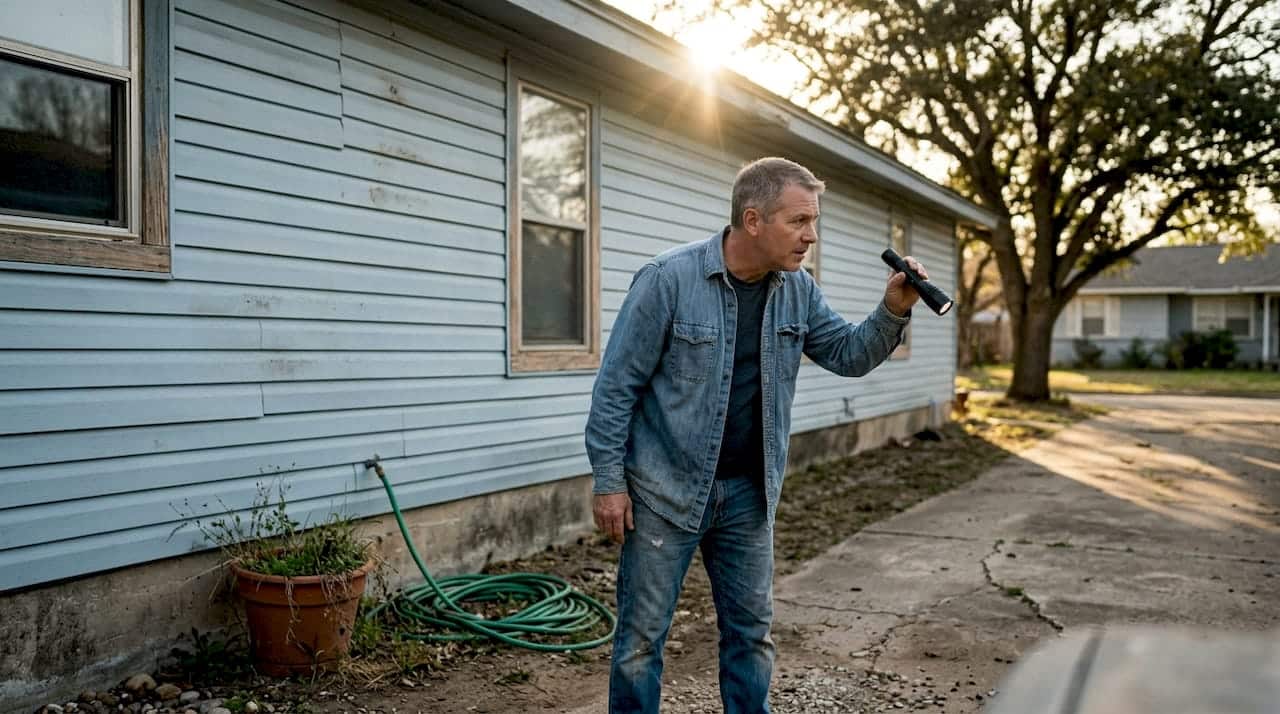
Pro Tip: Stand at a low angle when inspecting your siding in the morning light. Raking light reveals dents, warps, and surface irregularities that are invisible in direct overhead sun.
None of these signs should be dismissed as cosmetic. A single loose panel during a hurricane can allow wind-driven rain to penetrate your wall cavity in minutes. Exploring your damaged siding replacement options early gives you more choices and lower costs than waiting until damage spreads.
Hidden signs: Subtle clues your siding needs attention
Some of the most damaging problems often hide behind the surface. These interior and indirect symptoms are just as important as what you see outside.
Here’s what to watch for inside your home:
- Musty smells near exterior walls: A persistent musty odor, especially after rain, usually means moisture has gotten into the wall cavity and mold is growing where you can’t see it.
- Soft or spongy wall spots: Press gently on interior drywall near exterior walls. If it flexes or feels soft, the wall sheathing behind the siding may be rotting.
- Water stains on interior walls: Stains appearing below windows, near door frames, or along baseboards often trace back to siding gaps rather than roof leaks.
- Unexplained energy bill spikes: If your cooling costs jump without a clear reason, drafts from compromised siding seams may be forcing your HVAC system to work harder.
- Indoor drafts near walls: Running your hand along the base of exterior walls in summer can reveal cool air infiltration from gaps in your siding.
Indirect signs like water stains, musty odors, increased energy bills, soft spots, and indoor drafts all point to siding failure that’s already progressing.
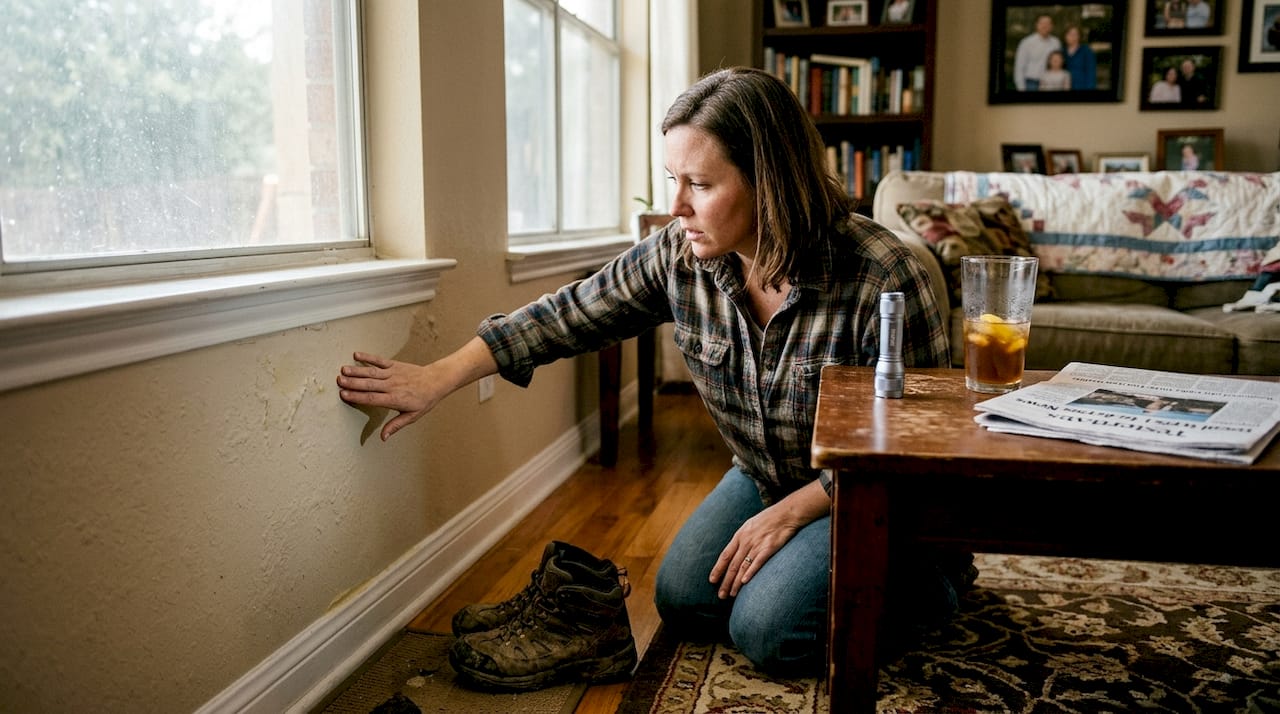
Pro Tip: After a heavy rainstorm, walk through every room and check the corners of exterior walls with a flashlight. New stains or damp spots that weren’t there before are a strong indicator of active water intrusion.
These hidden symptoms are often what push minor repairs into full wall rebuilds. Getting a professional assessment for new siding when you notice any of these interior clues is far smarter than waiting for visible exterior collapse.
Compare: Siding materials and their damage signs at a glance
Not every siding material shows trouble in the same way. Knowing what your home is clad in changes what you look for during inspections.
| Material | Common damage signs | Key vulnerability |
|---|---|---|
| Vinyl | Cracks, dents, fading, warping | Hides rot underneath; brittle in cold snaps |
| Fiber cement | Surface cracks, paint peeling, chips | Absorbs moisture if coating degrades |
| Wood | Rot, swelling, insect damage, peeling paint | High moisture absorption in coastal climates |
| Aluminum | Dents, oxidation, chalky surface | Corrosion near salt air; dents don’t spring back |
| Composite | Delamination, swelling at seams | Moisture at cut edges if improperly sealed |
Vinyl hides rot beneath its surface, fiber cement cracks without proper sealing, and installation quality affects how every material performs under storm conditions.
Here’s what to check by material:
- Vinyl: Look for cracks at panel ends and corners. Check for hollow sounds when tapping, which may indicate rot in the sheathing below.
- Fiber cement: Inspect painted surfaces for peeling or bubbling. Look at seams and cut edges for any swelling or discoloration.
- Wood: Check for soft spots, paint failure, and any signs of insect boring. Look at the bottom edges where moisture pools.
- Aluminum: Look for dents, white oxidation powder, and gaps at seams where panels have shifted.
For a detailed breakdown, reviewing side-by-side siding material comparisons helps you understand which option suits your specific coastal location. If you’re approaching hurricane season, checking whether your current material qualifies as hurricane-ready siding is worth the time. And understanding hail insurance for Texas siding helps you know what your policy will and won’t cover before you file a claim.
How to inspect, document, and respond after Texas storms
Armed with this knowledge, here’s how to take action when storms hit.
Step-by-step post-storm inspection:
- Wait for safe conditions: Don’t inspect during or immediately after a storm. Wait until winds are calm and there’s no standing water near your foundation.
- Walk the full perimeter: Move clockwise around your home, checking every wall section from ground level. Look up at the siding and along the roofline.
- Check trouble spots first: Pay extra attention to corners, around windows and doors, and anywhere panels meet trim or flashing.
- Press and tap panels: Gently press on panels to check for sponginess. Tap with your knuckle and listen for hollow sounds that indicate missing backing.
- Photograph everything: Use your phone to capture wide shots of each wall, then close-ups of every crack, dent, or gap you find. Date-stamp your photos.
- Document before any cleanup: Don’t remove debris or make temporary repairs before documenting. Insurance adjusters need to see original damage.
| Action | Why it matters |
|---|---|
| Photograph damage same day | Establishes timeline for insurance claim |
| Note panel locations precisely | Helps contractor scope repairs accurately |
| Check inside walls for moisture | Catches hidden damage before it worsens |
| File claim promptly | Most policies have reporting deadlines |
Perimeter walks, panel checks, and photo documentation are key steps, and insurance claims need prompt filing to avoid denial.
Pro Tip: Create a free folder in your phone’s photos app labeled with your home address. Store all storm inspection photos there so they’re organized and easy to share with your insurer or contractor.
For a full walkthrough of the claims process, the insurance claim instructions and insurance checklist for storm recovery are practical resources. You can also review insurance tips for siding damage to understand what documentation insurers typically require.
The real reason Texans miss early siding damage and what actually works
Here’s what years of post-storm work on Texas homes reveals that most guides won’t tell you. Homeowners don’t miss siding damage because they’re careless. They miss it because their siding looks fine from the driveway.
Texas humidity is particularly deceptive. It keeps surfaces looking clean and intact even as moisture works its way through micro-cracks and seams. By the time mold or rot becomes visible, the damage has been building for months, sometimes years.
The other silent cost is energy loss. Homeowners often absorb gradually rising utility bills without connecting them to siding failure. That slow drain adds up to hundreds of dollars a year before anyone thinks to check the walls.
What actually works is treating your siding inspection the same way you treat your smoke detector check: after every significant storm, not just once a year. Investing in the value of ongoing exterior care pays off in avoided repairs, lower energy costs, and a home that holds its value through hurricane season and beyond.
Next steps: Shield your Texas home with expert siding support
Knowing what to look for is powerful, but getting a professional set of eyes on your siding after a Texas storm is what closes the gap between spotting a problem and actually solving it.

At Buffalo Roofing & Exteriors, we specialize in exactly this kind of work for coastal and storm-prone Texas homes. Our team handles everything from targeted repairs to full Texas siding services, including material upgrades and insurance documentation support. We also guide homeowners through proper siding installation to make sure new siding performs when the next storm arrives. If you’re not sure where your home stands, start by checking whether you need new siding and reach out for a free estimate.
Frequently asked questions
Can siding damage increase my insurance premium or deductible?
Damage itself doesn’t directly raise your premium, but repeated claims or unresolved problems may lead to higher rates. Note that wind and hail deductibles in Texas are typically 1 to 2 percent of your dwelling coverage, which can be significant on coastal homes.
Is it safe to inspect my own siding after a major storm?
Ground-level checks are generally safe if you use a flashlight and binoculars, but use a ladder carefully with a spotter for higher areas, and always call a professional for roof-level or severe structural damage.
How soon after a hailstorm should I check my siding for damage?
Inspect the same day if weather allows. Prompt documentation is critical for insurance claims and prevents further damage from going unaddressed.
Can I repair only the damaged area or must I replace all my siding?
Spot repairs work well for isolated damage, but when damage covers more than 20% of your siding or hides widespread moisture intrusion, full replacement is usually the safer and more cost-effective choice.