TL;DR: TPO is a white, single-ply membrane that's the most common choice for flat and low-slope roofs on homes, additions, and commercial buildings across South Texas. It reflects heat, resists UV...
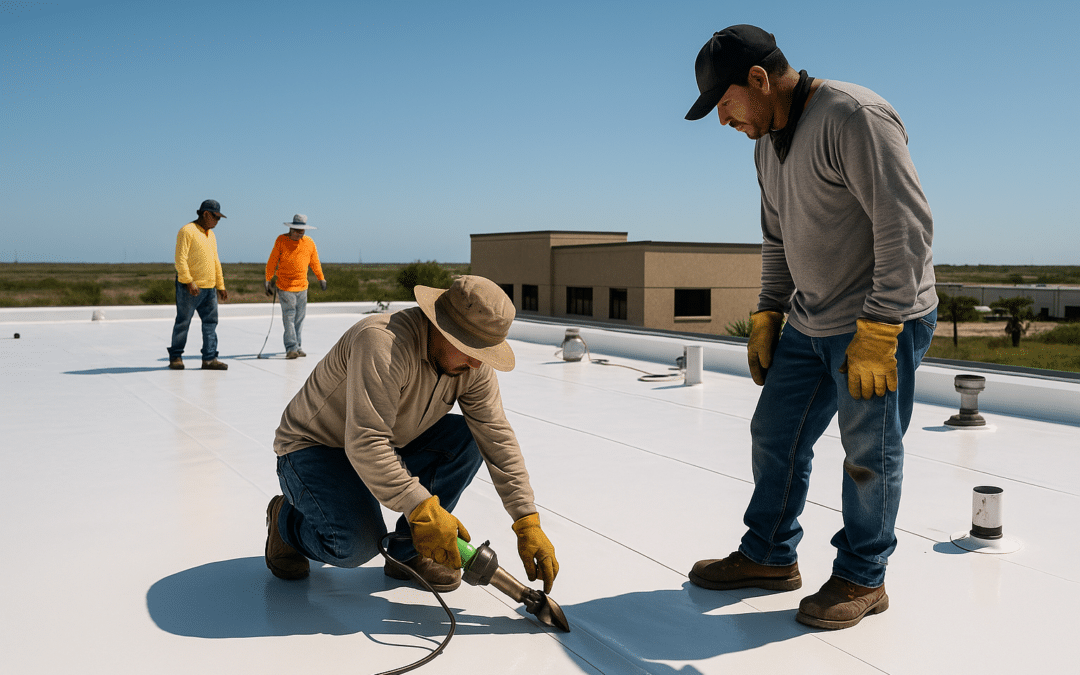


TL;DR: TPO is a white, single-ply membrane that's the most common choice for flat and low-slope roofs on homes, additions, and commercial buildings across South Texas. It reflects heat, resists UV...
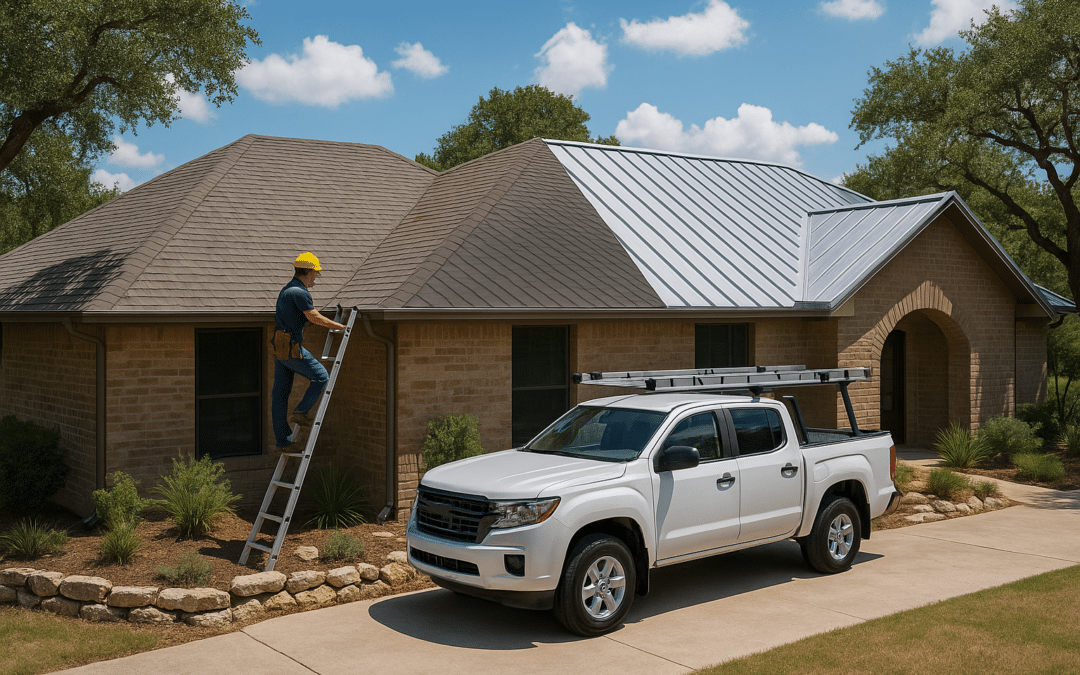
TL;DR: Asphalt shingles cost less upfront and remain the most common choice for South Texas homes, while metal roofing costs more initially but lasts longer, resists wind uplift better, and reflects...
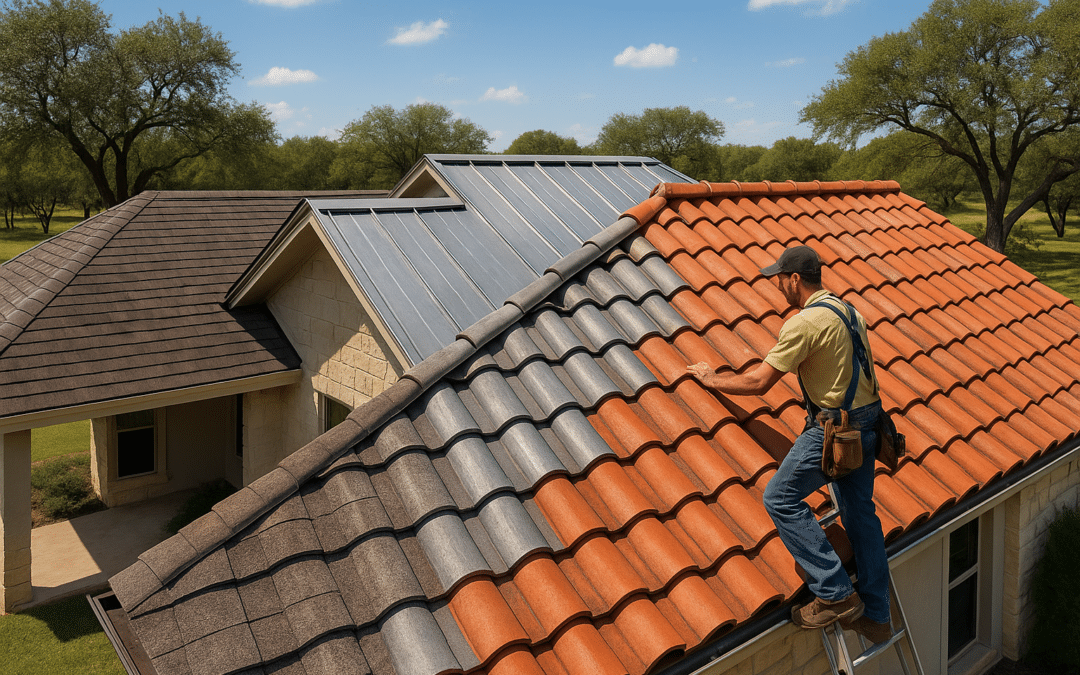
TL;DR: Most Texas roofs last anywhere from 15 to 100+ years depending on material, with asphalt shingles on the shorter end and metal, clay, and concrete tile lasting decades longer. Coastal salt...
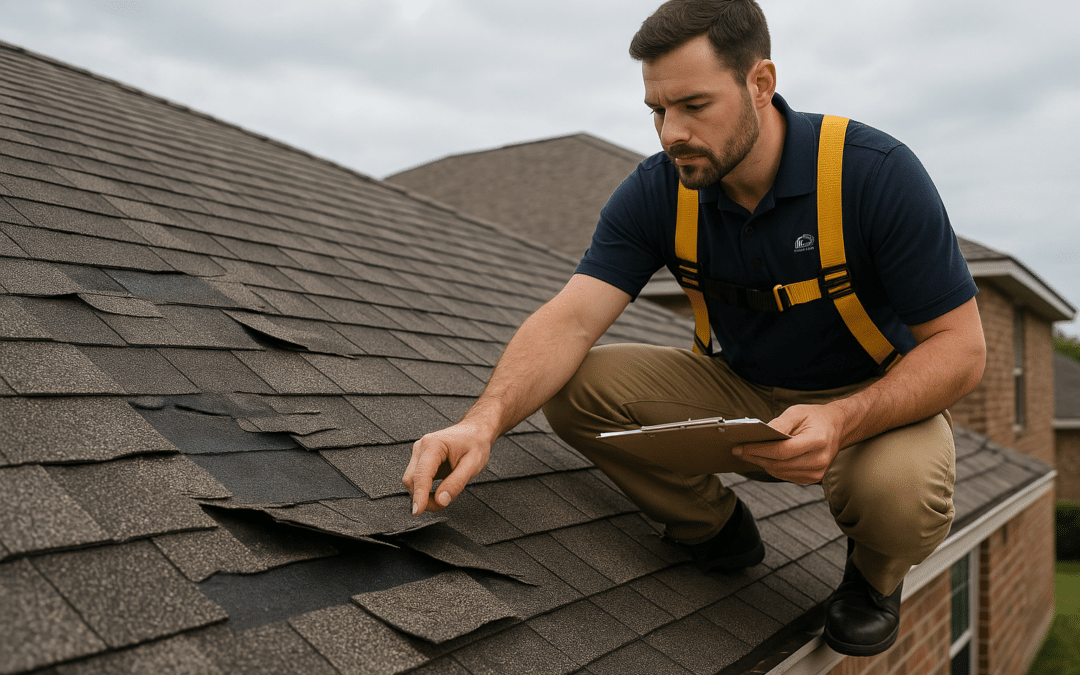
TL;DR: Wind damage to roof shingles usually shows up as creased or curled tabs, lifted or missing shingles, and granule loss concentrated along roof edges and ridges — not as random scattered dents...
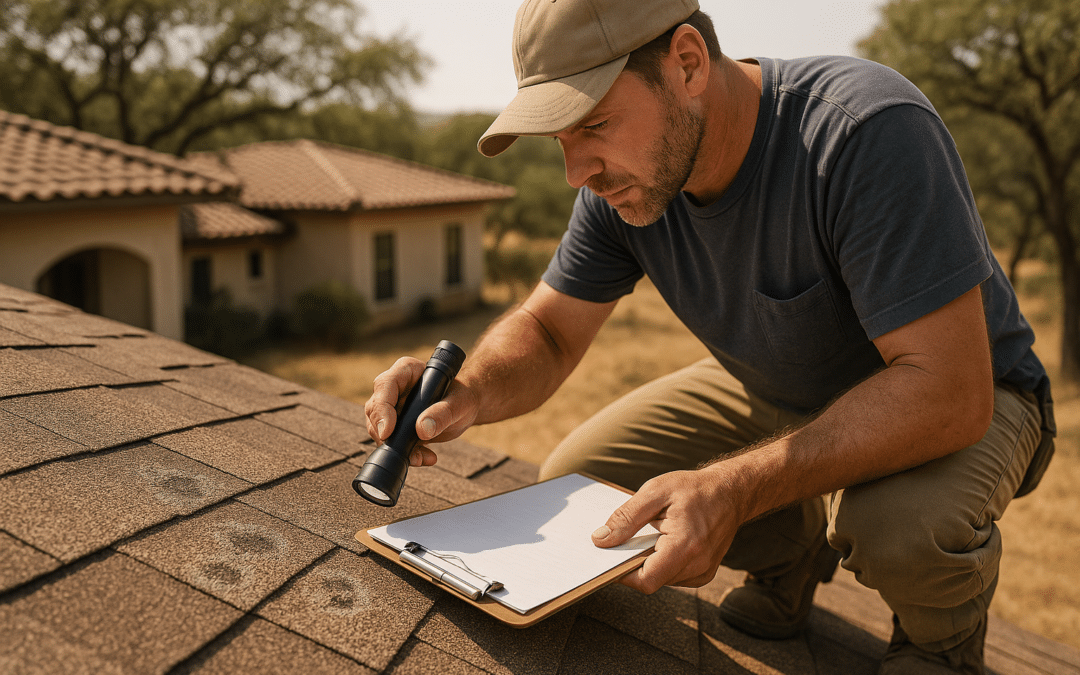
TL;DR: Hail damage on shingles often hides in plain sight — look for granule loss in gutters, dark bruised spots, and cracked or dented shingles rather than waiting for a leak. This guide walks...
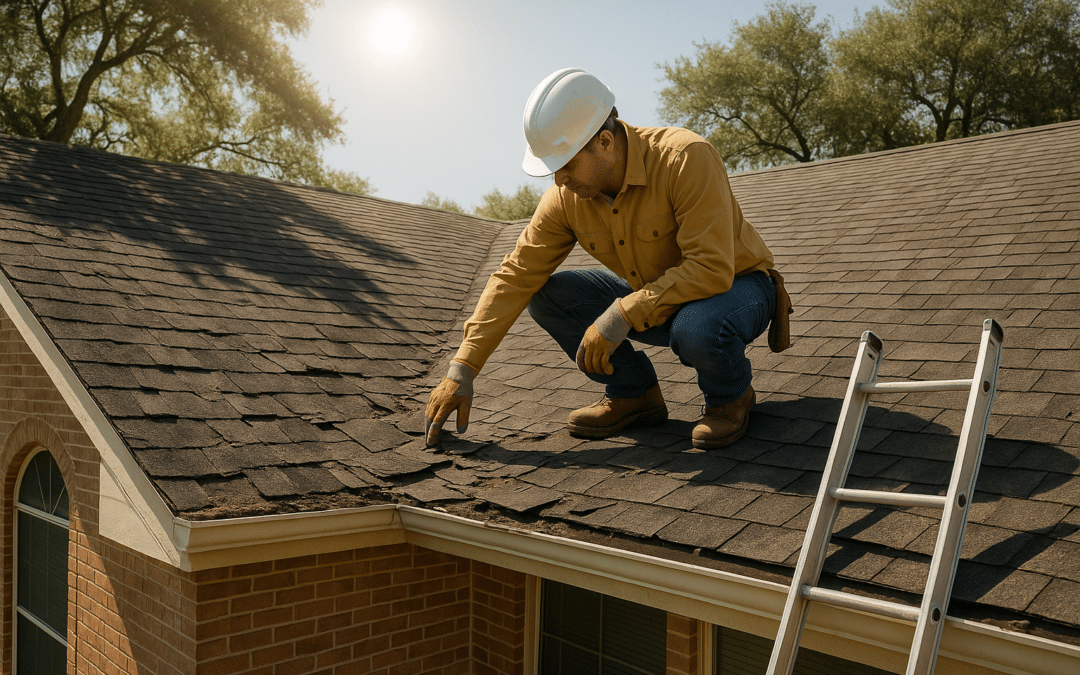
TL;DR: From Corpus Christi's salt air to San Antonio's hail and UV exposure, Texas roofs age faster than the national average. This guide covers the 8 clearest warning signs it's time for a full...
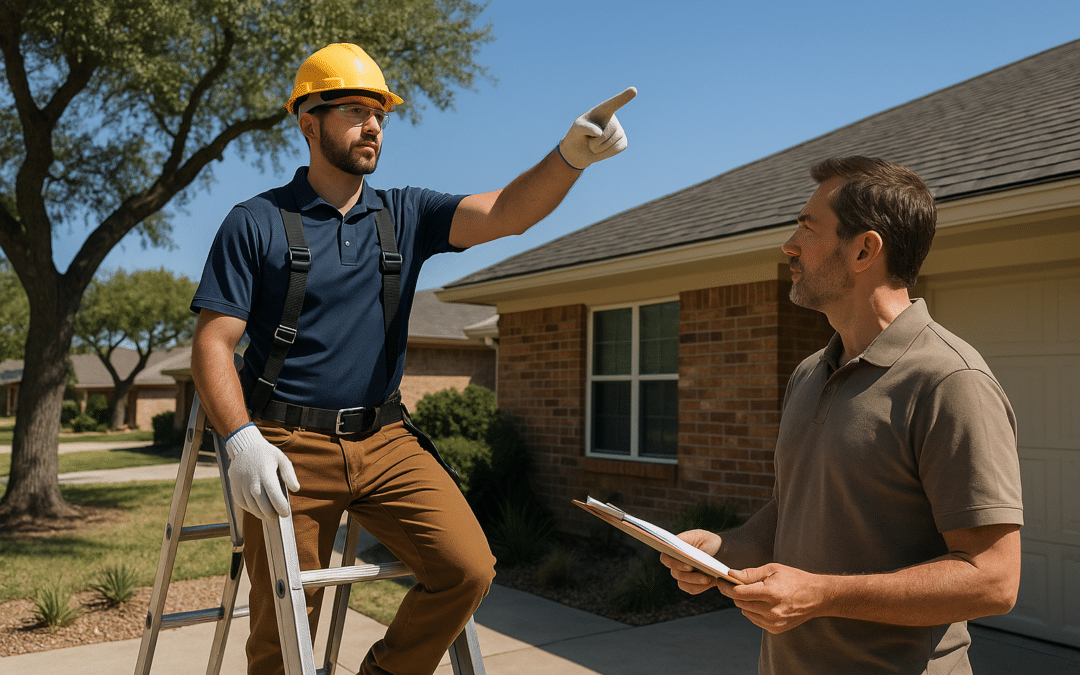
TL;DR: A free roof estimate should include a full roof and attic assessment, photos, material options, and a written scope with pricing — not just a number scribbled on a business card. In Corpus...
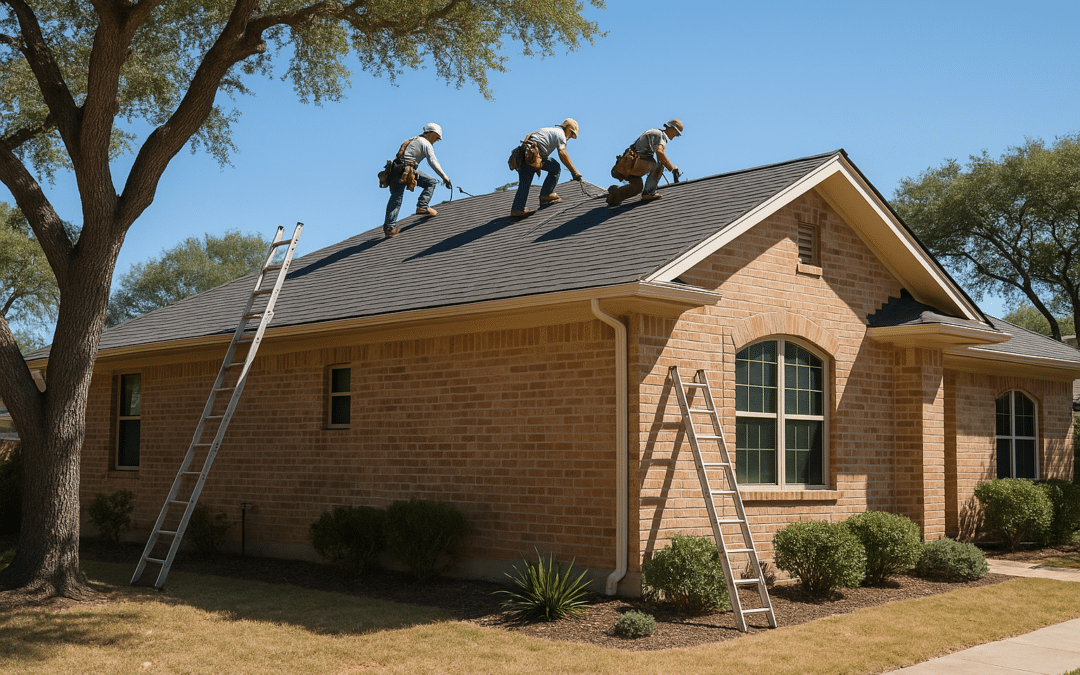
TL;DR: A full roof replacement in Texas typically runs several thousand to tens of thousands of dollars, and most homeowners don't pay cash out of pocket. This guide breaks down the main financing...