TL;DR:
- Fiber cement siding offers the longest lifespan and best durability in Texas coastal conditions.
- Proper installation by experienced contractors is crucial to maximize siding performance and warranty coverage.
- Coastal weather challenges require selecting materials like fiber cement and maintaining proactive storm-proofing measures.
Fiber cement siding can last 30-50+ years in Texas coastal conditions, while wood siding may start failing in as little as 15 years. That gap is enormous when you factor in labor, materials, and the stress of dealing with storm damage repairs. Yet many coastal homeowners still pick siding based on price alone, without understanding how salt air, hurricane winds, and relentless humidity will punish the wrong choice. This guide walks you through every major siding option, compares them side by side, and gives you the practical knowledge to make a confident, long-term decision for your Texas coastal home.
Table of Contents
- What coastal Texas homes demand from siding
- Siding materials explained: Durability, cost, and maintenance
- How siding performs in storms and coastal weather
- Choosing and working with siding professionals
- Why installation quality matters more than material alone
- Protect your coastal Texas home with expert siding solutions
- Frequently asked questions
Key Takeaways
| Point | Details |
|---|---|
| Fiber cement outperforms | Fiber cement siding brings superior durability and lower maintenance than vinyl or wood on the Texas coast. |
| Installation quality is crucial | A quality install matters more than premium materials, safeguarding both appearance and performance. |
| Professional help pays off | Hiring certified, coastal-savvy contractors fixes problems and ensures warranty protection. |
| Storm resilience varies | Not all siding tolerates storms—fiber cement and expert installation noticeably outperform the alternatives. |
What coastal Texas homes demand from siding
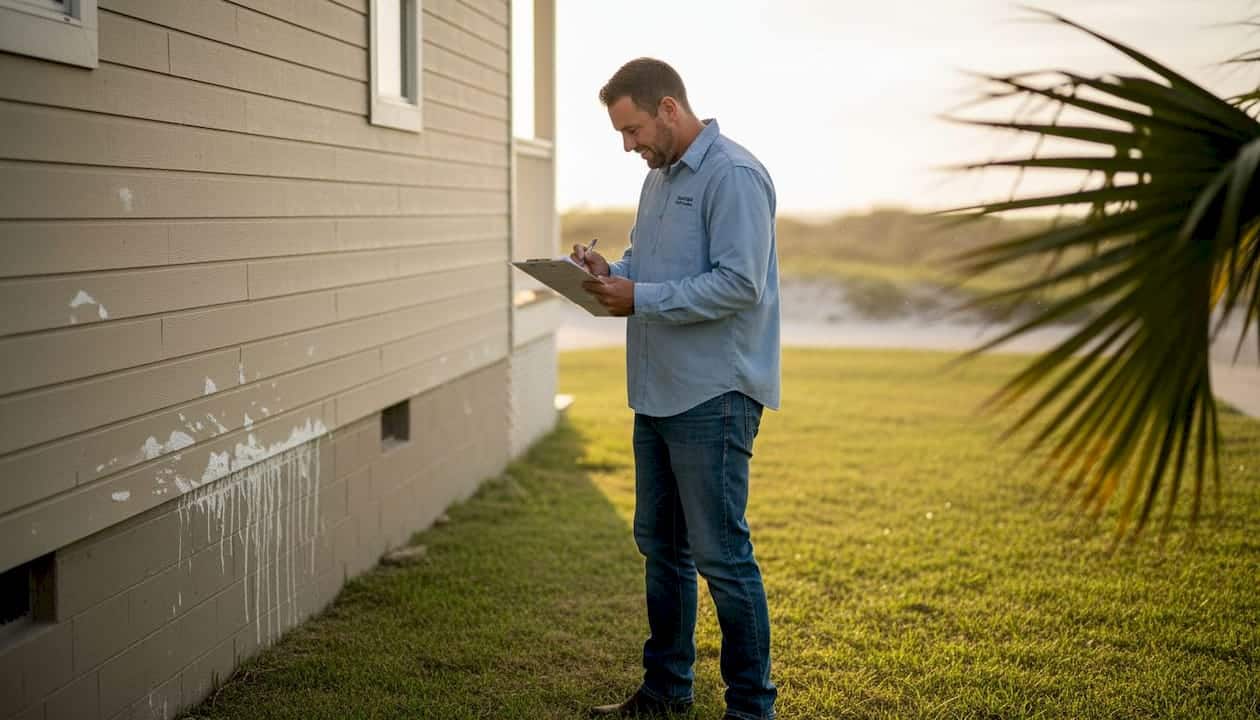
Texas coastal homes face a combination of conditions that most siding products were never designed to handle. Salt air corrodes metal fasteners, degrades paint finishes, and weakens adhesives over time. High humidity creates the perfect environment for mold and mildew to take hold behind siding panels. Add in the very real threat of hurricane-force winds, and you start to see why why siding matters for coastal homeowners goes far beyond curb appeal.
Aesthetics still count, of course. Many Texas coastal communities have HOA guidelines that specify approved colors, profiles, and materials. A siding choice that ignores those rules can result in fines or forced replacement, costing you twice. So you need a material that looks great, meets community standards, and holds up to brutal weather year after year.
Here are the key challenges your siding must handle on the Texas coast:
- High wind loads: Coastal storms regularly push gusts above 100 mph, testing every fastener and seam.
- Hail impact: Spring storm seasons bring hail that can crack, dent, or puncture weaker siding materials.
- UV exposure: Intense Texas sun fades color and breaks down surface coatings faster than in northern climates.
- Moisture intrusion: Driven rain and high humidity find every gap, causing rot, mold, and structural damage.
- Salt air corrosion: Proximity to the Gulf accelerates deterioration of metal components and surface finishes.
“For Texas coastal homes, the expert consensus is clear: prioritize fiber cement for its balance of durability, aesthetics, and low maintenance,” according to exterior siding guidance from professionals who work in these conditions daily.
Even the best siding material will underperform if it is installed incorrectly. Proper flashing, moisture barriers, and sealed seams are non-negotiable on the coast. That is why working with contractors experienced in weather-resistant exteriors for Texas coastal homes is not optional. It is the difference between a 50-year installation and a 10-year headache.
Siding materials explained: Durability, cost, and maintenance
Knowing the local demands, let’s break down how each major siding material stacks up. Three options dominate the Texas coastal market: fiber cement, vinyl, and wood. Each has a distinct profile of strengths, weaknesses, and cost considerations.
Fiber cement is made from a mix of cement, sand, and cellulose fibers. It resists rot, insects, fire, and impact. Brands like James Hardie manufacture it to mimic wood grain convincingly, so you get the look without the vulnerability. It holds paint well and requires repainting roughly every 10-15 years, which is far less frequent than real wood.
Vinyl is the most affordable option upfront and requires almost no painting. However, vinyl is prone to warping in extreme heat and cracking under impact, both common events on the Texas coast. Its lifespan of 20-40 years sounds reasonable until you factor in storm replacement costs.
Wood siding offers unmatched natural beauty but demands consistent maintenance. Without regular painting, caulking, and inspection, wood can begin deteriorating in as few as 15 years in coastal humidity. Insect damage and moisture intrusion are constant risks.
| Material | Lifespan | Cost per sq ft | Maintenance | Storm performance |
|---|---|---|---|---|
| Fiber cement | 30-50+ years | $6-$13 | Low | Excellent |
| Vinyl | 20-40 years | $3-$8 | Very low | Fair |
| Wood | 15-25 years | $7-$15 | High | Poor |
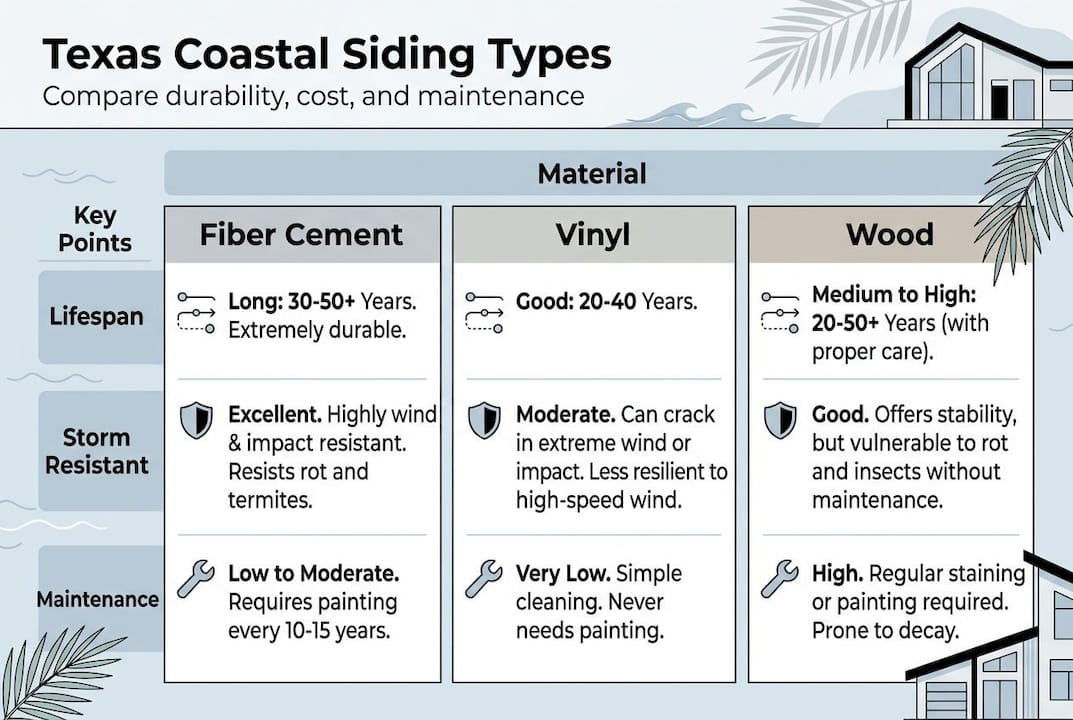
For most Texas coastal homeowners, fiber cement delivers the best long-term value. You can explore a full siding materials overview to compare options in more detail, including newer composite products entering the market.
Pro Tip: Always read the warranty fine print before signing a contract. Many manufacturers require installation by a certified professional to honor the full warranty. Skipping that step could void coverage entirely, leaving you exposed to impact-resistant upgrades costs you expected to be covered.
How siding performs in storms and coastal weather
Material qualities matter, but how do they perform when the weather turns severe? Texas coastal homeowners deal with hurricanes, tropical storms, and severe thunderstorms every season. Understanding how siding holds up under those conditions can save you thousands in avoidable repairs.
Vinyl siding is particularly vulnerable. Vinyl warps and cracks under impact from wind-driven debris, and once a panel fails, water intrusion can spread quickly behind the wall. Wood siding can splinter or delaminate when saturated by storm-driven rain. Fiber cement, by contrast, is dense enough to resist flying debris and does not absorb water the way wood does.
| Material | Wind resistance | Impact resistance | Water resistance | Mold resistance |
|---|---|---|---|---|
| Fiber cement | Excellent | Excellent | Excellent | Excellent |
| Vinyl | Fair | Poor | Good | Good |
| Wood | Fair | Fair | Poor | Poor |
Preparing your siding for storm season is just as important as choosing the right material. Here are steps every coastal homeowner should take:
- Inspect all seams and caulking before hurricane season begins each year, replacing any cracked or missing sealant.
- Check fasteners around windows, doors, and corners where wind pressure is highest.
- Clear gutters and downspouts so water drains away from the siding foundation quickly after storms.
- Trim overhanging branches that could become projectiles in high winds.
- Document your siding condition with photos before storm season for insurance purposes.
Learning more about storm protection for siding can help you prioritize which repairs or upgrades to tackle first. Proactive maintenance also makes insurance claims smoother because you can demonstrate that the damage was storm-related, not the result of deferred care. Reviewing damage reduction tips before storm season is one of the smartest moves a coastal homeowner can make.
Choosing and working with siding professionals
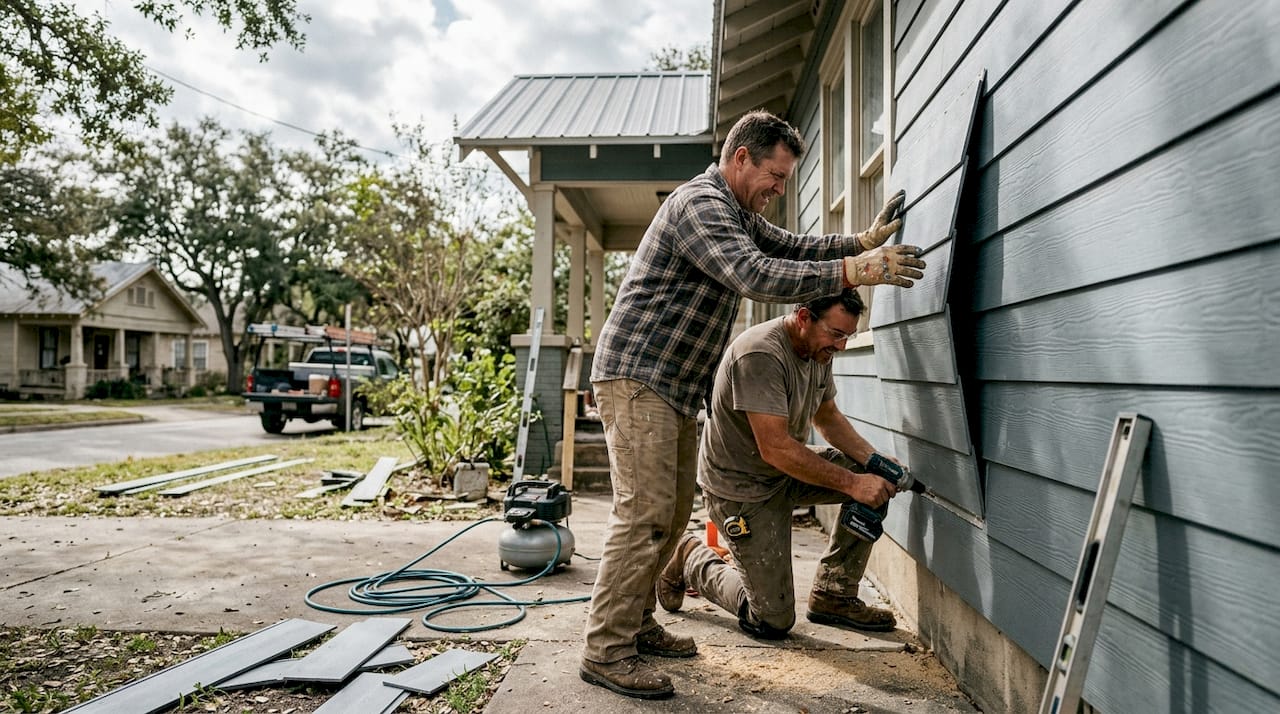
All materials need proper installation. Here’s how to get yours done right. Even the most durable fiber cement panel will fail prematurely if it is installed with gaps at the seams, missing flashing, or improper fastening. Professional installation is not just about aesthetics. It directly affects your warranty coverage, moisture protection, and how your home performs in a storm.
When evaluating siding contractors, look for these qualities:
- Manufacturer certifications: Contractors certified by James Hardie or similar brands have completed specialized training.
- Local coastal experience: A contractor who has worked in Corpus Christi or along the Gulf understands the specific challenges salt air and hurricane exposure create.
- Verifiable reviews: Look for consistent positive feedback on platforms like Google, not just testimonials on the contractor’s own website.
- Clear written bids: A reputable contractor provides itemized quotes covering materials, labor, moisture barriers, and cleanup.
- Warranty documentation: They should explain exactly what is covered and for how long, in writing.
Pro Tip: Ask specifically whether your contractor is a James Hardie Elite Preferred installer. Certified contractors like these have demonstrated expertise in fiber cement installation and often provide extended warranties unavailable through standard installers.
Red flags to watch for include contractors who ask for full payment upfront, cannot provide proof of insurance, or pressure you to decide immediately. These are signs of inexperience or worse. Understanding proper installation standards before you meet with contractors gives you confidence to ask the right questions. You can also review a detailed installation workflow to understand what a professional job actually looks like from start to finish.
Why installation quality matters more than material alone
Most siding guides focus almost entirely on material comparisons, but here is what years of working on Texas coastal homes has taught us: the material is only half the equation. We have seen brand-new fiber cement installations fail within two years because of sloppy seam work and missing moisture barriers. We have also seen 20-year-old vinyl siding still performing well because a skilled crew installed it with precision.
DIY installation or hiring the cheapest crew available might save money upfront. But installation quality directly determines whether your warranty is valid and whether your home survives the next major storm without water damage. Insurance adjusters are increasingly scrutinizing installation quality when evaluating claims. A denied claim after a hurricane is far more expensive than the few hundred dollars you saved on labor.
Contractors who specialize in Texas coastal homes know details that general contractors miss. Things like leaving proper expansion gaps for heat, using stainless steel fasteners to resist salt corrosion, and installing kick-out flashing above windows. These are not optional extras. They are what separates a 50-year installation from one that requires damaged siding replacement within a decade. Vet your crew thoroughly, and always do a final walkthrough inspection before making your last payment.
Protect your coastal Texas home with expert siding solutions
You now have a clear picture of what the Texas coast demands from siding and which materials and contractors deliver on those demands. The next step is connecting with professionals who know your region, understand coastal building codes, and can back their work with manufacturer warranties.
At Buffalo Roofing & Exteriors, we specialize in coastal siding protection services for homeowners across Corpus Christi, San Antonio, and Victoria. We know why siding matters for your home’s long-term value and safety. Our team provides free estimates, financing options, and certified professional installation that meets manufacturer standards. Reach out today and let us help you protect your home before the next storm season arrives.
Frequently asked questions
What is the longest-lasting siding for Texas coastal homes?
Fiber cement lasts 30-50+ years in coastal Texas conditions, making it the most durable choice available for Gulf Coast homeowners.
Is vinyl siding a good choice for coastal regions in Texas?
Vinyl siding is affordable upfront but warps under impact in harsh coastal weather, making it a less reliable long-term option for the Texas coast.
How do I find reputable siding installers in Texas’s coastal regions?
Look for James Hardie Elite Preferred contractors with strong local reviews and documented experience working in coastal Texas climates.
Does siding need special care in coastal climates?
Yes. Regular inspections, prompt repairs, and choosing low-maintenance materials like fiber cement significantly extend siding life in coastal conditions.
Recommended
- Types of siding materials for coastal Texas homes 2026
- Why siding matters: protect your Texas coastal home
- How siding protects Texas coastal homes from storm damage
- Step-by-Step Siding Installation Workflow for Texas Coastal Homes
- Residential Roofing – Infinity Roofing GA
- Roofing Company San Antonio TX