TL;DR:
- Regular professional roof inspections identify hidden damages and vulnerabilities crucial for storm protection.
- Inspections are essential for insurance compliance and ensuring coverage during hurricane events.
- Proper roof design and materials significantly improve resilience against Texas Gulf Coast storms.
Many coastal Texas homeowners believe a new roof or a fresh set of shingles is all they need heading into hurricane season. It’s an understandable assumption, but it’s one that costs people thousands of dollars every year. The reality is that even a roof installed just two years ago can develop hidden vulnerabilities from salt air, high winds, and thermal stress that only a trained eye will catch. In coastal Texas, where storms don’t announce themselves politely, a professional roof inspection isn’t optional maintenance. It’s your first real line of defense against structural failure, insurance headaches, and repair bills that can spiral out of control fast.
Table of Contents
- The real risks coastal Texas roofs face
- What a professional roof inspection includes
- Insurance, compliance, and the real cost of skipping inspections
- How to choose the right inspector and schedule for your home
- Our take: Why inspections are your strongest first line of defense
- Next steps: Protect your home with a professional inspection
- Frequently asked questions
Key Takeaways
| Point | Details |
|---|---|
| Coastal risk is unique | Hurricanes, high winds, and salty air make roof vulnerabilities more likely for Texas coastal homeowners. |
| Inspections catch hidden problems | Professional roof inspections identify damage that DIY checks often miss, preventing leaks and failures. |
| Insurance demands proof | Many insurance providers require windstorm inspection documentation for coastal coverage eligibility. |
| Expertise saves money | A timely inspection often prevents costly repairs and claim denials by catching minor issues early. |
The real risks coastal Texas roofs face
Coastal Texas is genuinely one of the most demanding environments for residential roofing in the entire country. You’re dealing with a combination of hurricane-force winds, intense UV exposure, salt-laden air, and dramatic temperature swings that can degrade roofing materials faster than most people realize. That’s not an exaggeration. It’s the physical reality of living near the Gulf.
The types of damage that show up most often in this region include:
- Shingle loss or lifting caused by sustained high winds or improper nailing patterns
- Flashing failure around chimneys, vents, and skylights where water finds its way in
- Water intrusion through micro-cracks and compromised underlayment that isn’t visible from the ground
- Fastener corrosion accelerated by salt air, which weakens the mechanical hold of your entire roof system
- Deck rot hidden beneath surface materials, often only discovered after a major storm event
Roof design plays a bigger role than most homeowners expect. Hip roofs, which slope on all four sides, deflect wind much more effectively than gable roofs, which present a flat vertical face to the wind. Material choice matters too. Roof damage rates in hurricanes show metal roofs sustaining far less damage than asphalt shingles under equivalent storm conditions.
“FORTIFIED homes had 55-74% lower loss frequency and 15-40% lower claim severity in Hurricane Sally compared to standard construction.”
That gap in outcomes doesn’t happen by accident. It comes from design, materials, and most importantly, verified installation quality. That’s exactly what regular roof inspections confirm. Without an inspection, you simply don’t know which category your roof falls into until the storm makes that decision for you.
The hidden danger is that most serious vulnerabilities aren’t visible from the ground. A shingle that looks intact from your driveway might have lost half its granules, exposing the fiberglass mat underneath to UV degradation. Routine roof inspections catch these issues while they’re still inexpensive to fix, not after water has worked its way into your attic insulation and framing.
What a professional roof inspection includes
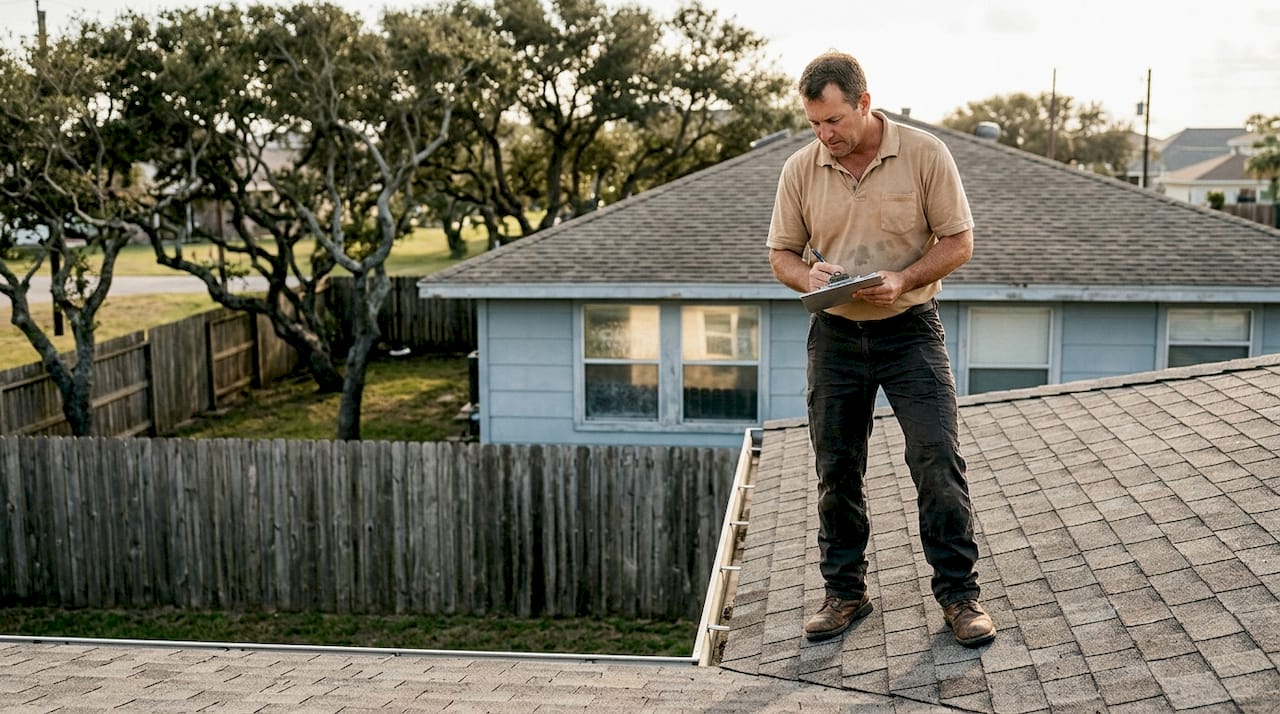
A professional inspection is not a contractor walking around your yard and glancing upward. When done properly, it’s a systematic evaluation of every component that keeps water out and structure intact.
Here’s what a qualified inspector covers:
- Shingle condition including granule loss, cracking, curling, and missing sections
- Underlayment integrity checked at accessible edges and any exposed areas
- Flashing inspection at all roof penetrations, valleys, and wall junctions
- Ventilation assessment to confirm proper airflow that prevents heat and moisture buildup
- Fastener patterns verified against code requirements for your wind zone
- Deck condition evaluated for soft spots, sagging, or signs of moisture damage
- Gutters and drainage checked for blockages that cause water to back up under shingles
In high-wind coastal zones, fastener patterns are especially critical. Windstorm inspection requirements specify that inspectors verify code-compliant nailing, which means 6 nails per shingle in high-wind zones rather than the standard 4, along with confirmed flashing integrity at all penetrations. Those two extra nails per shingle make a measurable difference in blow-off resistance during a storm.
“The difference between a roof that survives a hurricane and one that doesn’t is often invisible to the homeowner until it’s too late. Documentation is your proof that the work was done right.”
Pro Tip: Ask your inspector for a written report with photos. This documentation becomes invaluable when filing an insurance claim after a storm. Adjusters move faster and pay more fairly when you can show them a pre-storm baseline.
A roof inspection for storm damage also captures the condition of your roof before a weather event, giving you a clear before-and-after comparison. Pair that with a solid roof maintenance checklist and you’re building a documented history that protects you financially.
Insurance, compliance, and the real cost of skipping inspections
Here’s where things get serious for coastal Texas homeowners. This isn’t just about keeping your roof in good shape. It’s about whether your insurance will actually pay out when you need it.
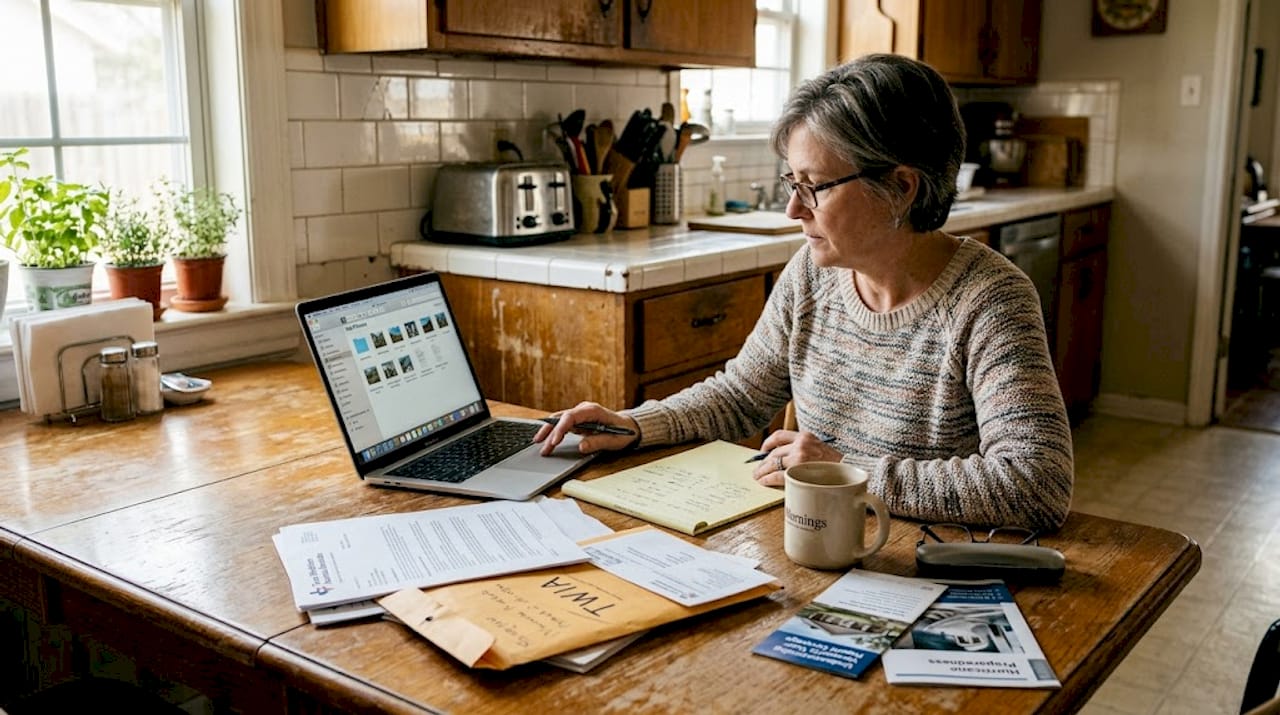
TWIA insurance requirements mandate windstorm inspections for coverage eligibility in 14 Texas coastal counties. If your home hasn’t been inspected and certified, you may not qualify for Texas Windstorm Insurance Association coverage at all. That’s a significant exposure given that private insurers have largely pulled back from coastal Texas markets.
| Scenario | Inspection completed | No inspection |
|---|---|---|
| Storm claim filed | Documentation supports fast payout | Adjuster disputes pre-existing damage |
| Insurance renewal | Certification confirms eligibility | Possible coverage denial |
| Repair cost after storm | Lower due to early detection | Higher due to compounded damage |
| Out-of-pocket risk | Minimized | Potentially tens of thousands |
The financial math here is stark. A professional inspection typically costs a few hundred dollars. A denied insurance claim after a major hurricane can leave you personally responsible for a roof replacement that runs $15,000 to $40,000 or more, depending on your home size and materials.
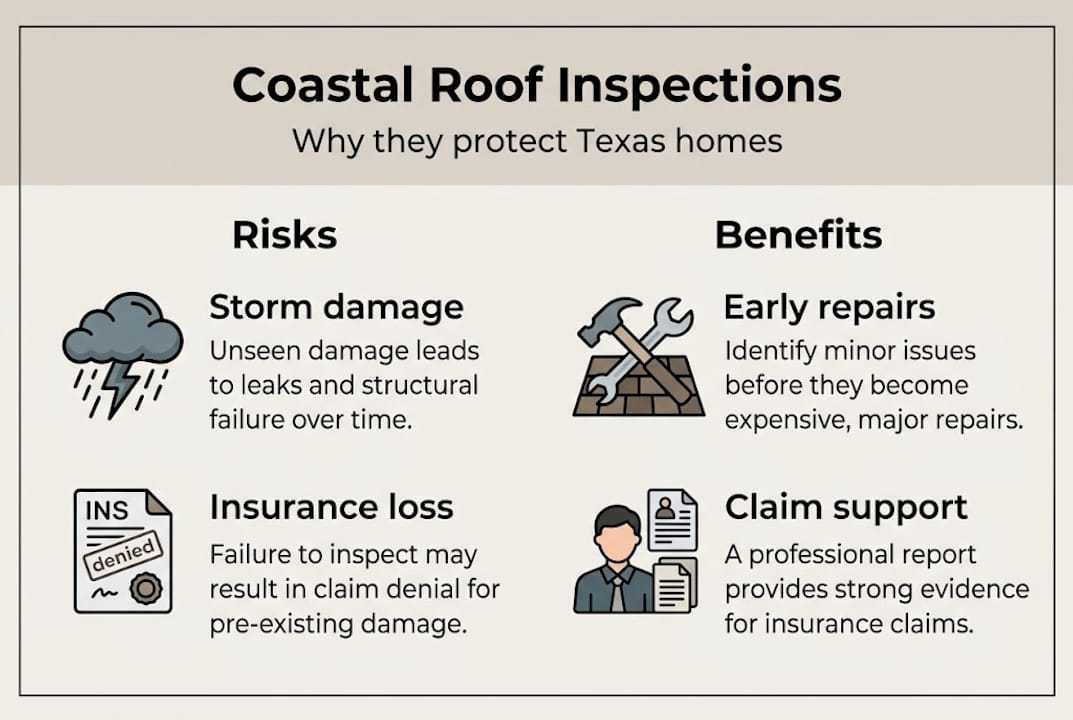
Real claim denials happen more often than people expect. Adjusters look for evidence that damage existed before the storm, or that the roof wasn’t properly maintained. Without inspection records, you have no defense against those arguments.
Key financial risks of skipping inspections:
- Loss of windstorm certification eligibility
- Claim disputes that delay or reduce payouts
- Compounded repair costs when small issues become structural failures
- Potential policy cancellation at renewal
Scheduling roof inspection services before storm season isn’t just smart home maintenance. It’s a financial protection strategy that pays for itself many times over.
How to choose the right inspector and schedule for your home
Not every inspector is equally qualified to evaluate a coastal Texas roof. The standards here are stricter, and the stakes are higher. Choosing the right professional matters.
Here’s what separates a good inspector from a great one in this region:
- TDI certification for windstorm inspections, which is required for TWIA compliance in coastal counties
- Local experience with Gulf Coast weather patterns and the specific failure modes common here
- Familiarity with FORTIFIED standards, which go beyond minimum code and produce measurably better outcomes
- Clear written reporting with photos, measurements, and specific findings rather than vague summaries
- No conflict of interest between inspection and repair recommendations
Pro Tip: Ask any inspector whether they’re certified under TDI’s windstorm program before booking. If they aren’t, their report won’t satisfy your insurance company’s requirements regardless of how thorough it is.
For scheduling, align your inspections with these key moments:
| Timing | Reason |
|—|—|—|
| Before hurricane season (spring) | Identify and fix vulnerabilities before storms arrive |
| After any named storm | Document new damage for insurance claims |
| At insurance renewal | Confirm certification is current |
| Every 12 months minimum | Catch gradual degradation from salt and UV exposure |
While FORTIFIED standards represent the gold standard for coastal construction, even standard code roofs benefit from consistent inspection schedules. The TDI windstorm inspection requirements make stricter demands on coastal properties precisely because the risk profile is different here than inland Texas.
Use a 2026 roof maintenance checklist to stay organized between professional visits, and build a roof maintenance workflow that keeps your documentation current and your coverage intact.
Our take: Why inspections are your strongest first line of defense
After years of working on roofs across coastal Texas, one pattern stands out clearly. The most expensive jobs we see almost never come from bad storms alone. They come from storms hitting roofs that hadn’t been looked at in years.
A Category 2 hurricane doesn’t destroy a well-maintained, properly documented roof the same way it destroys one with three years of deferred maintenance and no inspection record. The difference is almost always traceable to whether someone caught the small problems before they compounded.
Here’s the part most articles won’t tell you: inspection documentation speeds up insurance recovery more than almost any other single factor. When you can hand an adjuster a report from six months ago showing your roof was in good condition, the conversation changes completely. Claims that might take months to resolve get handled in weeks.
We’ve also seen the opposite. Homeowners with genuinely storm-caused damage who couldn’t prove it wasn’t pre-existing, because they had no records. Don’t let that be you. An accurate storm damage assessment starts long before the storm arrives.
Next steps: Protect your home with a professional inspection
Storm season doesn’t wait for you to get ready. The best time to schedule a professional roof inspection is before the next weather event, not after.
At Buffalo Roofing & Exteriors, we specialize in certified roof inspections for coastal Texas homes, with the local knowledge and TDI credentials that actually protect your coverage. Whether you need to book a roof inspection before hurricane season, work through a storm damage restoration guide after a recent event, or upgrade to weather-resistant roofing that holds up to Gulf Coast conditions, our team is ready to help. Contact us today for a free estimate.
Frequently asked questions
How often should roofs in coastal Texas be professionally inspected?
Most experts recommend an annual inspection plus a follow-up after any named storm. Coastal TDI mandates stricter requirements than inland Texas, making consistent scheduling essential for both safety and insurance compliance.
Do insurance companies require roof inspections for coverage in Texas?
Yes. Windstorm inspections are required for TWIA insurance eligibility in 14 Texas coastal counties, and without a current certification your coverage could be denied or voided.
What specific issues do roof inspectors look for after a storm?
Inspectors check for shingle loss, compromised flashing, loose or missing fasteners, water intrusion points, and hidden structural damage. Code-compliant nailing and flashing integrity are verified as part of any windstorm inspection.
Which roof types perform best against Texas hurricanes?
Metal roofs and hip roof designs consistently outperform asphalt shingles and gable roofs in hurricane conditions. Metal roofs show a 12% damage rate compared to roughly 50% for asphalt shingles under similar storm exposure.