TL;DR:
- Coastal Texas homes must use storm-rated, code-compliant exterior materials to ensure durability and safety.
- Impact-resistant roofing, siding, and fortified windows significantly reduce storm damage risks.
- Modern, visually appealing upgrades like decorative shutters and native landscaping enhance curb appeal while maintaining resilience.
Coastal Texas homeowners face a renovation challenge unlike almost anywhere else in the country. Salt air, hurricane-force winds, and relentless humidity can destroy a poorly planned exterior upgrade within just a few seasons. In 2026, updated building codes mean that getting your renovation wrong is not just an aesthetic problem. It can leave you out of compliance, underinsured, and facing repair bills that dwarf your original investment. This guide walks you through the smartest exterior renovation ideas for Texas coastal properties, covering everything from storm-rated materials to curb appeal upgrades that actually hold up when the next big storm rolls in.
Table of Contents
- Start with the essentials: Criteria for exterior renovations in 2026
- Top exterior renovation ideas for storm resilience
- Boosting curb appeal: Stylish and safe upgrades
- Head-to-head: Comparing popular renovation materials and solutions
- Picking the right renovation for your property: Texas coast scenarios
- Our take: What actually works for coastal Texas exteriors in 2026
- Ready to renovate? Storm-smart solutions and expert help
- Frequently asked questions
Key Takeaways
| Point | Details |
|---|---|
| Meet 2026 wind codes | All coastal Texas exterior upgrades must now meet stricter wind ratings for storm safety. |
| Balance style and protection | Modern renovation options offer both strong storm resistance and enhanced curb appeal. |
| Compare and choose wisely | Use side-by-side comparisons to find the materials and upgrades that fit your property. |
| Act with expert guidance | Partner with knowledgeable professionals to ensure code compliance and lasting value. |
Start with the essentials: Criteria for exterior renovations in 2026
Before you pick a material or call a contractor, you need a clear framework for evaluating your options. Coastal Texas is not a forgiving environment, and the stakes in 2026 are higher than ever. Texas coastal TDI zones require design wind speeds of 130 to 150 mph for Risk Category II structures, which covers most residential homes. That single requirement eliminates a surprising number of products you will find at big-box stores.
Here are the core criteria every coastal Texas homeowner should use when evaluating any exterior renovation:
- Storm resistance: Does the product carry a verified wind rating that meets or exceeds 130 mph?
- Code compliance: Is it approved under the Texas Department of Insurance windstorm certification program?
- Longevity: Can it handle salt air, UV exposure, and repeated storm cycles without degrading quickly?
- Energy savings: Does it improve insulation or reduce solar heat gain, lowering your cooling costs?
- Curb appeal: Does it enhance your home’s visual value, which matters for resale and neighborhood standards?
Understanding why upgrade in 2026 is about more than aesthetics. It is about protecting your single largest asset. Every product you choose for weather-resistant exteriors should score well on all five criteria, not just one or two.
“Choosing materials that meet wind speed requirements is not optional in coastal Texas. It is the baseline for everything else.”
Pro Tip: Always ask your contractor for the product’s Notice of Acceptance or approval documentation before signing any contract. If they cannot produce it, keep looking.
Top exterior renovation ideas for storm resilience
With the criteria in mind, let’s look at specific renovation ideas that deliver proven storm protection for coastal properties.
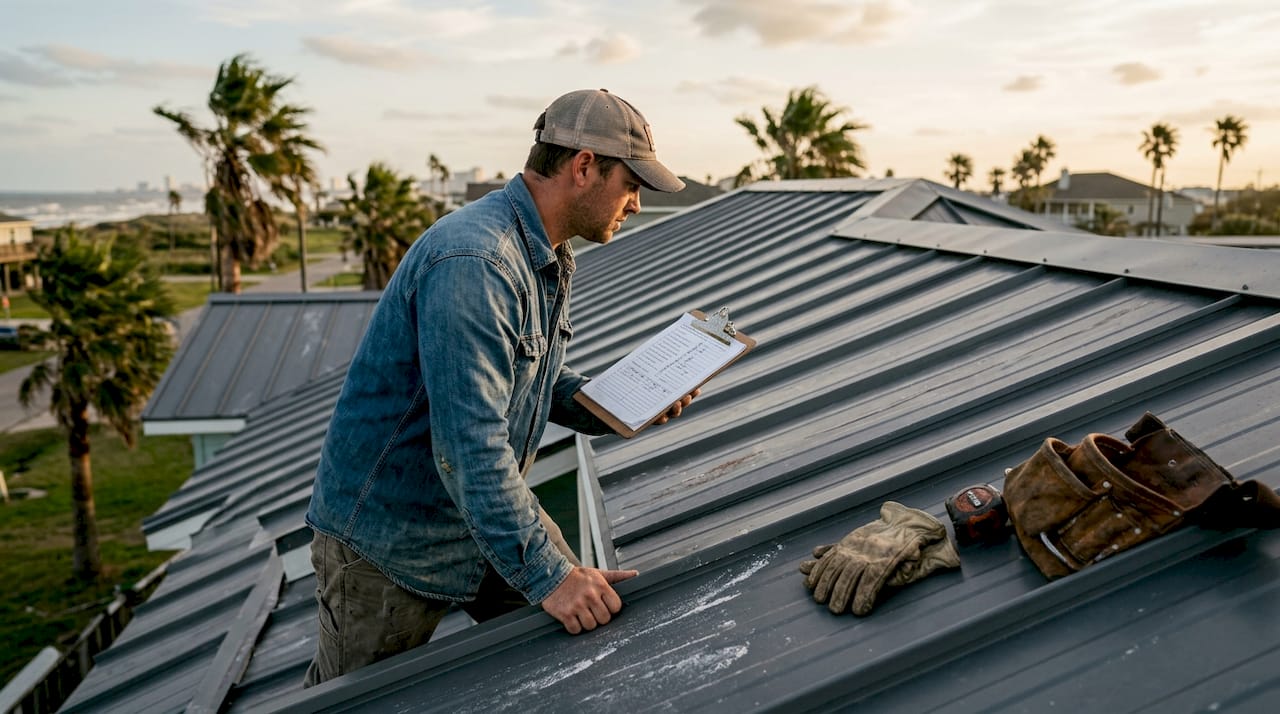
- Wind-rated roofing systems. Metal roofing and impact-rated architectural shingles are the top choices for coastal Texas. Metal panels with concealed fasteners can withstand design wind speeds well above 150 mph when properly installed. Hurricane straps connecting your roof deck to the wall framing are equally critical and often required under current code.
- Impact-resistant siding. Fiber cement siding, such as HardiePlank, resists impact, moisture, and salt corrosion far better than vinyl or wood. It also holds paint longer, reducing maintenance cycles in the coastal climate.
- Fortified windows and doors. Standard windows fail well before a Category 2 storm reaches full intensity. Impact-rated windows with laminated glass and reinforced frames protect your interior and maintain structural pressure balance during a storm.
- Elevated decks with proper drainage. Decks built to flood-zone elevation requirements reduce water intrusion risk and keep your outdoor living space functional after heavy rain events.
- Flood-resistant entryways. Raised thresholds, marine-grade door sweeps, and storm-rated entry doors reduce the chance of water entering your home during surge events.
Investing in impact-resistant upgrades is one of the most cost-effective moves you can make before storm season. Pair these with storm damage prevention tips specific to your area for maximum protection.
“Homes with fortified roofing and impact-rated openings consistently show lower claim severity after major storm events along the Gulf Coast.”
Boosting curb appeal: Stylish and safe upgrades
Practical resilience does not mean your home has to look like a bunker. The best 2026 exterior renovations blend storm-smart engineering with genuine visual appeal.
Color and material trends are moving toward coastal neutrals, warm grays, and deep blues that complement the Gulf environment while reflecting heat. Many of these finishes are available in fiber cement and engineered wood products that already meet the 130 to 150 mph wind design requirements. Here are the top style-forward upgrades that also pass code:
- Decorative impact-rated shutters. These look like traditional coastal shutters but are engineered to meet wind load requirements. They add charm and protection at the same time.
- Low-maintenance composite trim. PVC and composite trim boards resist moisture and insects, hold color well, and eliminate the constant repainting cycle that wood demands.
- Outdoor lighting with wind-rated fixtures. Coastal-rated fixtures in bronze or matte black finishes add nighttime curb appeal and are built to handle salt air without corroding.
- Native landscaping. Salt-tolerant plants like sea oats, muhly grass, and live oak create a polished look while reducing wind-driven debris risk near your home.
You can find inspiration in real renovation examples from Texas properties, or explore why exteriors matter for long-term home value.
Pro Tip: When replacing your front entry door, look for one with both a high aesthetic rating and a verified hurricane impact certification. A beautiful door that fails in a storm is just an expensive liability.
Head-to-head: Comparing popular renovation materials and solutions
To help you choose among the top ideas, here is a direct comparison of popular upgrade solutions and materials for coastal Texas homes in 2026.
| Material/Solution | Wind resistance | Lifespan | Relative cost | Maintenance |
|---|---|---|---|---|
| Metal roofing | 150+ mph | 40-70 years | High | Very low |
| Impact shingles | 130 mph | 25-30 years | Medium | Low |
| Fiber cement siding | 130+ mph | 30-50 years | Medium | Low |
| Vinyl siding | 110 mph | 20-30 years | Low | Very low |
| Impact windows | 150+ mph | 25-40 years | High | Very low |
| Standard windows | 90 mph | 15-25 years | Low | Medium |
| Storm-rated entry door | 150 mph | 30+ years | Medium-high | Low |
| Standard entry door | 80 mph | 15-20 years | Low | Medium |
The data is clear. Spending more upfront on wind-rated materials pays off significantly over time. Weatherproof exteriors can dramatically reduce your repair costs after a major storm event, and proper exterior weatherproofing also supports lower insurance premiums in many cases.
Key stat: Homes upgraded with impact-resistant roofing and openings that meet TDI wind zone standards report significantly lower storm damage claims compared to homes using standard-rated materials.
Vinyl siding, for example, may look appealing on a budget spreadsheet but it falls short of the 130 mph minimum for most coastal TDI zones. Choosing it to save money now often means replacing it after the next named storm.
Picking the right renovation for your property: Texas coast scenarios
Not every renovation fits every property. Use this breakdown to match the right strategy to your specific situation.
| Property type | Top priority upgrades | Secondary upgrades |
|---|---|---|
| Beachfront home | Metal roof, impact windows, storm doors | Composite trim, rated shutters |
| Elevated house | Impact siding, hurricane straps, rated doors | Outdoor lighting, native landscaping |
| Condo unit | Impact windows, entry door, weatherstripping | Interior storm shutters, sealants |
| Rental property | Impact shingles, fiber cement siding | Low-maintenance finishes, durable trim |
Here is a step-by-step approach for prioritizing projects based on budget and urgency:
- Start with the roof. It is your first line of defense. If it is more than 15 years old or does not meet current wind ratings, replace it before anything else.
- Secure your openings. Windows and doors are where most storm damage begins. Upgrade these before focusing on aesthetics.
- Address the walls. Replace failing siding with fiber cement or engineered options that meet the design wind speed requirements for your zone.
- Add curb appeal last. Once the structural upgrades are in place, layer in the decorative elements that make your home stand out.
Understanding how weatherproof exteriors protect your investment long-term helps justify the upfront cost. You can also explore options to boost durability and savings through smart material choices that reduce energy bills alongside storm risk.
Our take: What actually works for coastal Texas exteriors in 2026
Here is something most renovation articles will not tell you. A lot of homeowners spend significant money on upgrades and still end up underprotected. Why? Because they let insurance discount eligibility drive their decisions instead of actual performance data.
Insurance discounts are real and worth capturing, but they are a byproduct of good decisions, not the goal. We have seen properties with every box checked on a windstorm certificate that still suffered major damage because installation quality was poor or the wrong product was selected for a specific microclimate.
The Texas coast is not one environment. A home in Port Aransas faces different salt exposure and wind patterns than a property in Rockport or Galveston. Cookie-cutter renovation packages miss that nuance entirely.
Our honest advice: get a property-specific assessment before you commit to any major exterior project. A contractor who walks your property, checks your current structure, and understands local TDI requirements will save you far more than the cost of the consultation. Review our step-by-step roof repair guidance to understand what a thorough assessment should cover.
Ready to renovate? Storm-smart solutions and expert help
If you are ready to act on these ideas and want expert support, here is how we can help.
At Buffalo Roofing & Exteriors, we specialize in code-compliant, storm-ready exterior renovations for homeowners across Corpus Christi, San Antonio, and Victoria. Whether you need a full roof replacement, impact-rated siding, or a complete exterior overhaul, our team brings hands-on coastal Texas experience to every project. Start by learning more about exterior renovation options specific to your region, or download our storm damage restoration guide for deeper research. When you are ready to get a free estimate on weather-resistant roofing or any exterior upgrade, our team is ready to help you build smarter and safer.
Frequently asked questions
What are the required wind design speeds for exterior renovations in coastal Texas in 2026?
Texas coastal TDI zones require design wind speeds of 130 to 150 mph for Risk Category II structures, which includes most residential homes in 2026.
Which exterior renovation gives the biggest boost in storm resistance?
Upgrading to impact-resistant roofing combined with wind-rated siding provides the most significant improvement, since the roof and walls together form your home’s primary storm barrier.
How can I make my coastal Texas home look good and stay storm-safe?
Choose code-rated materials in modern coastal colors, add decorative impact-rated shutters, and use salt-tolerant native landscaping to create a polished, resilient exterior that meets 2026 standards.
Where can I find examples of completed storm-resistant renovations for inspiration?
Project galleries from Texas-based contractors are a great starting point, and Buffalo Roofing & Exteriors features real case studies and renovation examples from coastal properties across the region.