TL;DR: Roof rejuvenation is a spray-applied oil treatment that restores flexibility to aging asphalt shingles, while replacement tears off and rebuilds the entire roof system. Rejuvenation works...
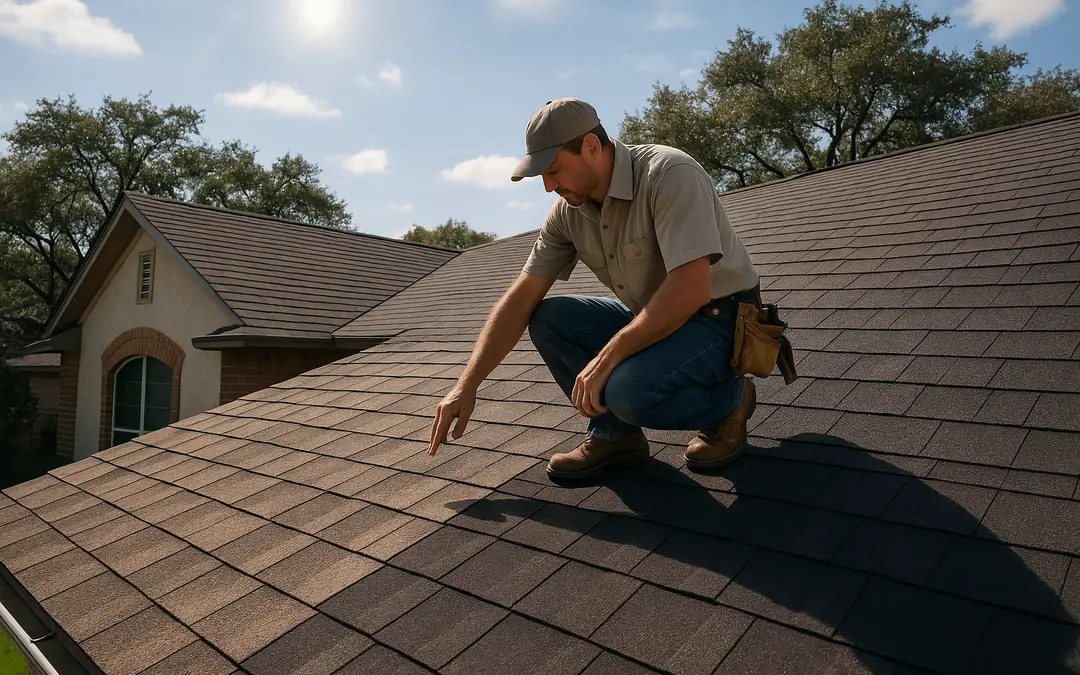

TL;DR: Roof rejuvenation is a spray-applied oil treatment that restores flexibility to aging asphalt shingles, while replacement tears off and rebuilds the entire roof system. Rejuvenation works...
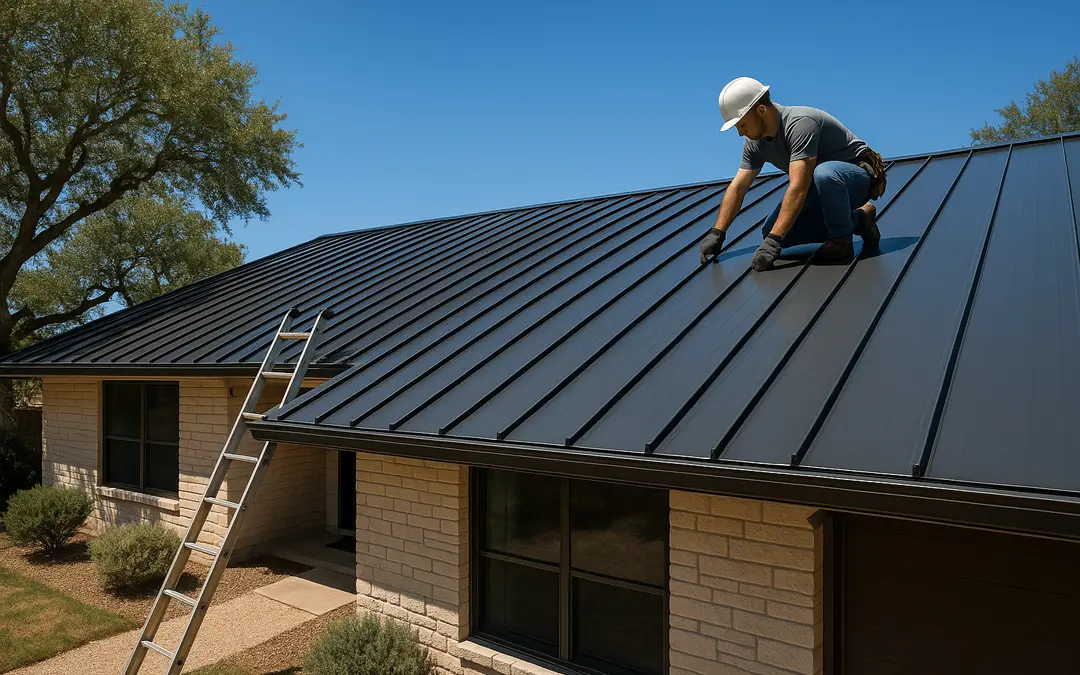
TL;DR: Standing seam metal roofing uses interlocking panels with hidden fasteners to resist wind uplift, shed water, and reflect heat, making it a strong match for South Texas hurricanes and Hill...
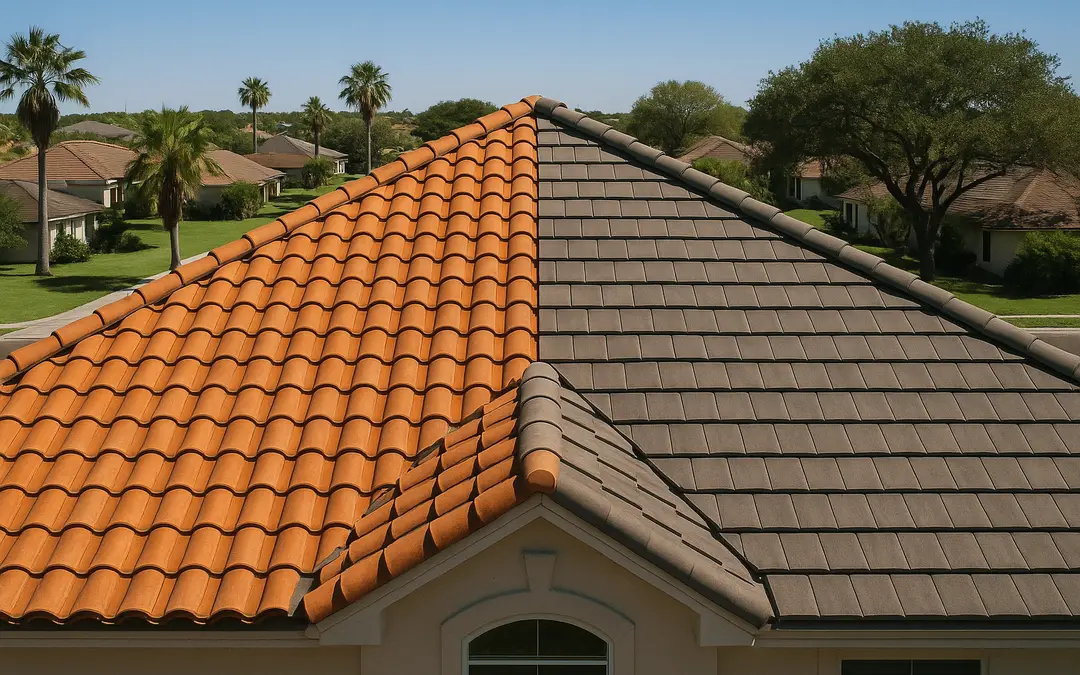
TL;DR: Clay and concrete tile roofs both handle Gulf Coast heat, wind, and humidity well, but they differ in weight, cost, and longevity. This guide breaks down the real tradeoffs for Corpus...
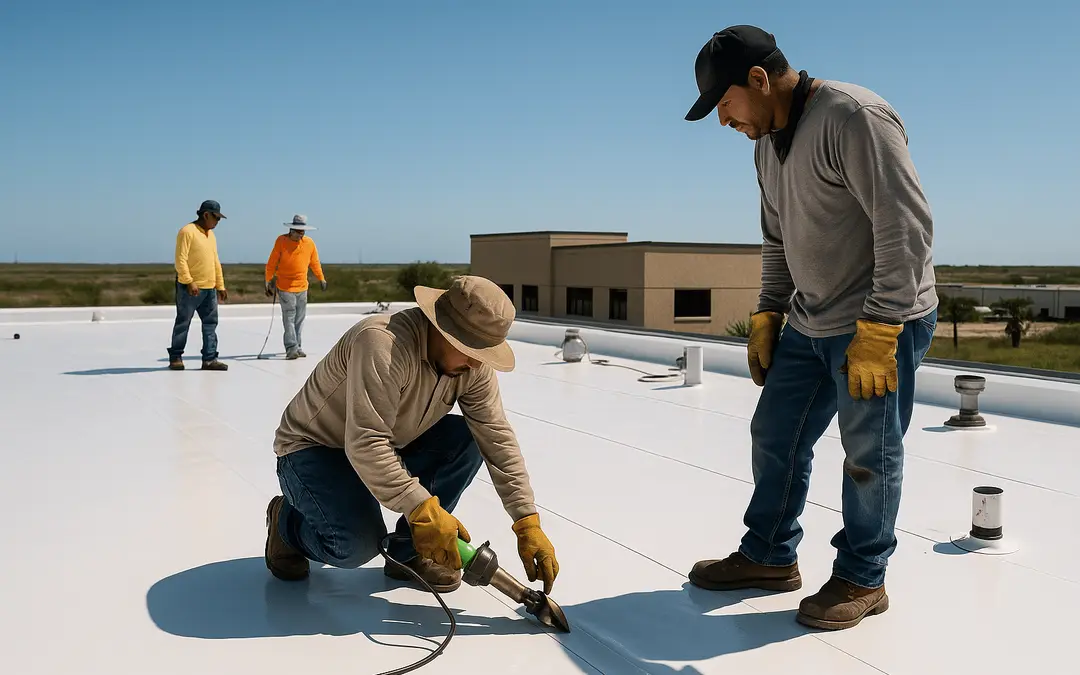
TL;DR: TPO is a white, single-ply membrane that's the most common choice for flat and low-slope roofs on homes, additions, and commercial buildings across South Texas. It reflects heat, resists UV...
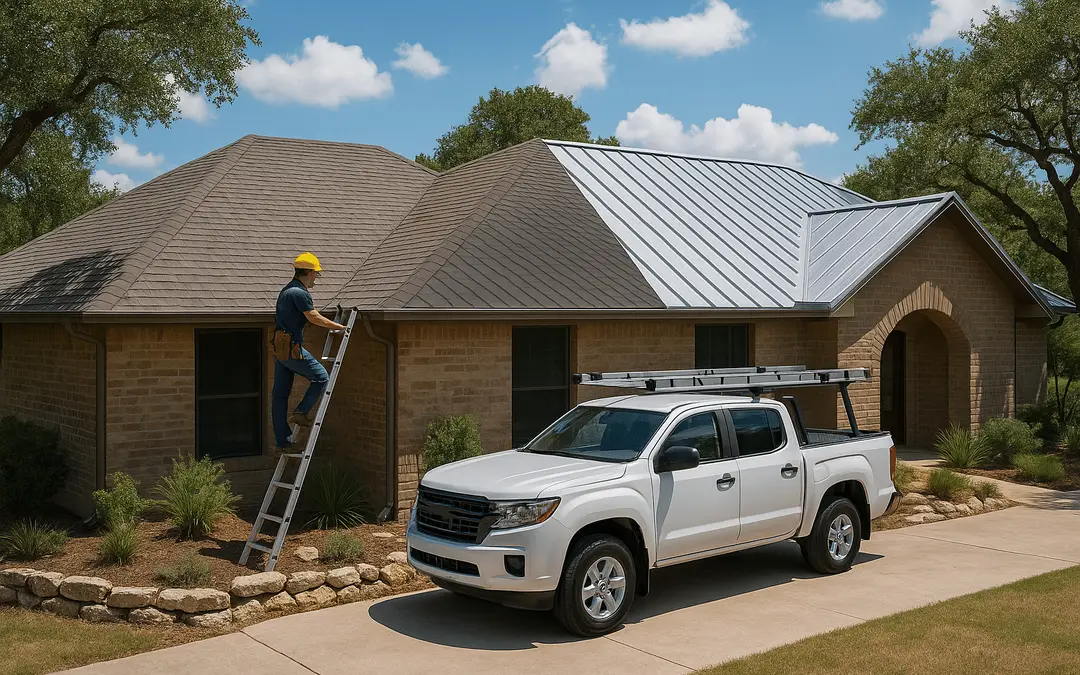
TL;DR: Asphalt shingles cost less upfront and remain the most common choice for South Texas homes, while metal roofing costs more initially but lasts longer, resists wind uplift better, and reflects...
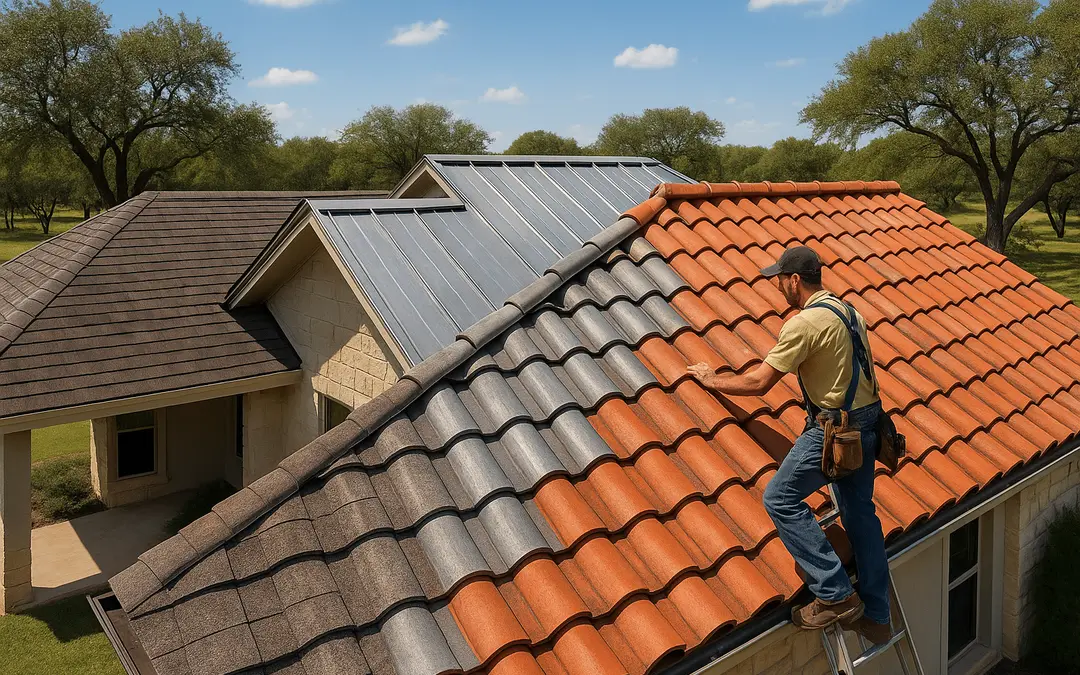
TL;DR: Most Texas roofs last anywhere from 15 to 100+ years depending on material, with asphalt shingles on the shorter end and metal, clay, and concrete tile lasting decades longer. Coastal salt...
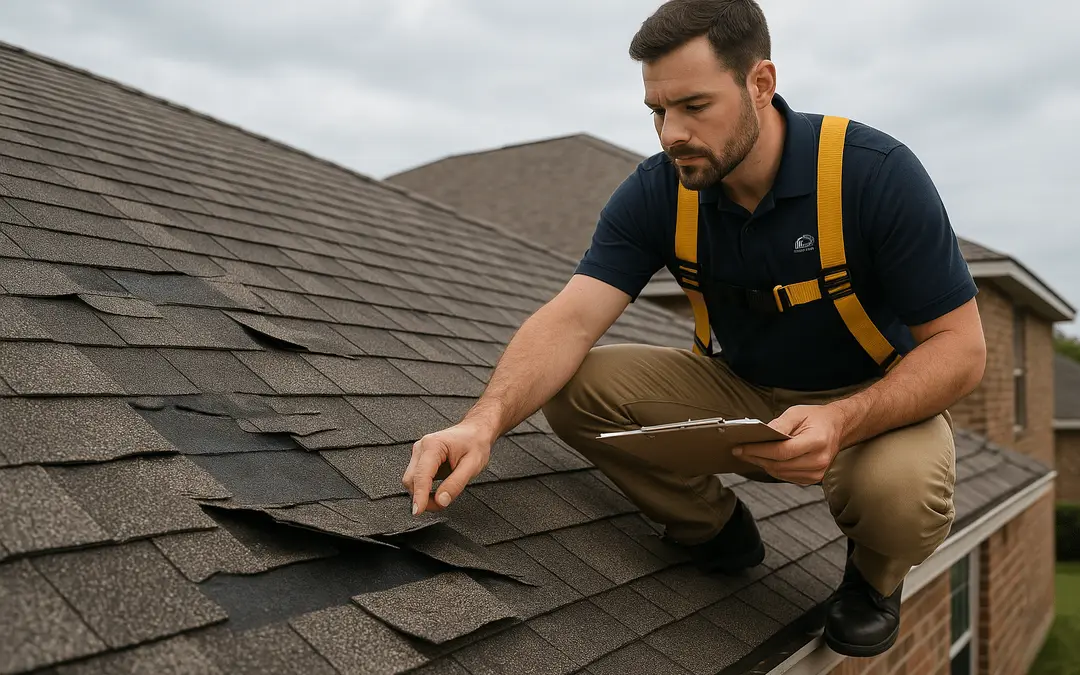
TL;DR: Wind damage to roof shingles usually shows up as creased or curled tabs, lifted or missing shingles, and granule loss concentrated along roof edges and ridges — not as random scattered dents...
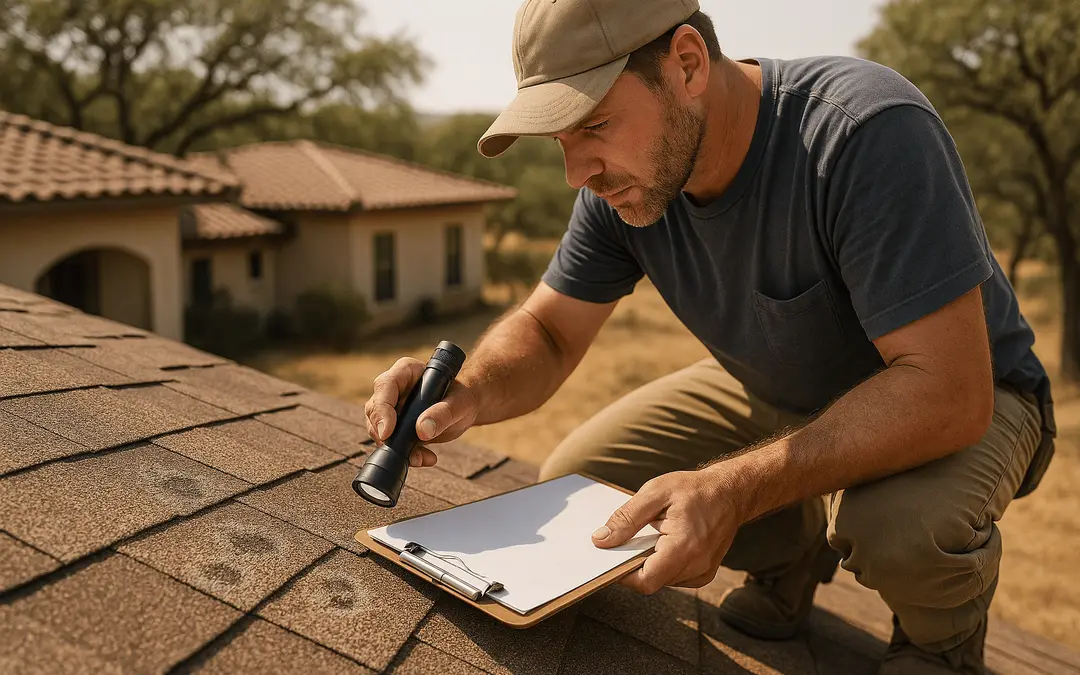
TL;DR: Hail damage on shingles often hides in plain sight — look for granule loss in gutters, dark bruised spots, and cracked or dented shingles rather than waiting for a leak. This guide walks...